


Oxidative Stress and Liver Cancer: Etiology and Therapeutic Targets
- PMID: 27957239
- PMCID: PMC5121466
- DOI: 10.1155/2016/7891574
Oxidative Stress and Liver Cancer: Etiology and Therapeutic Targets
Abstract
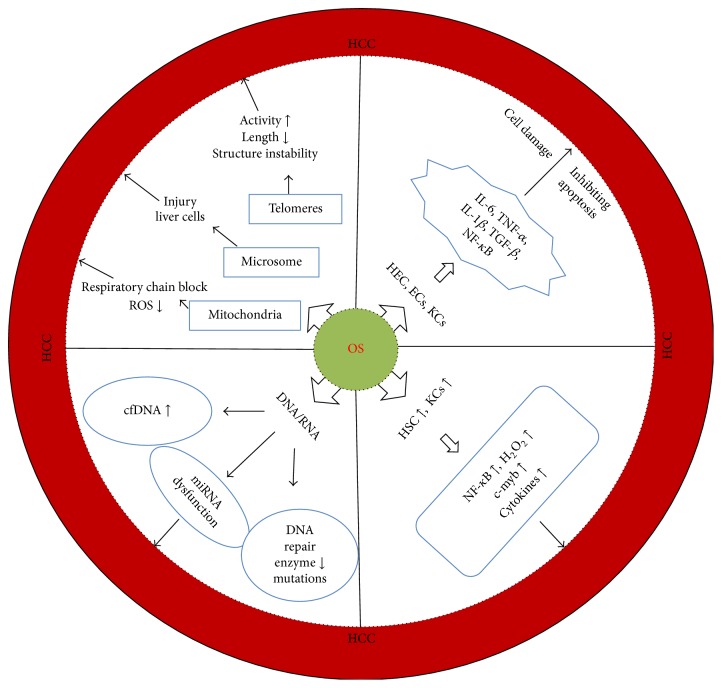
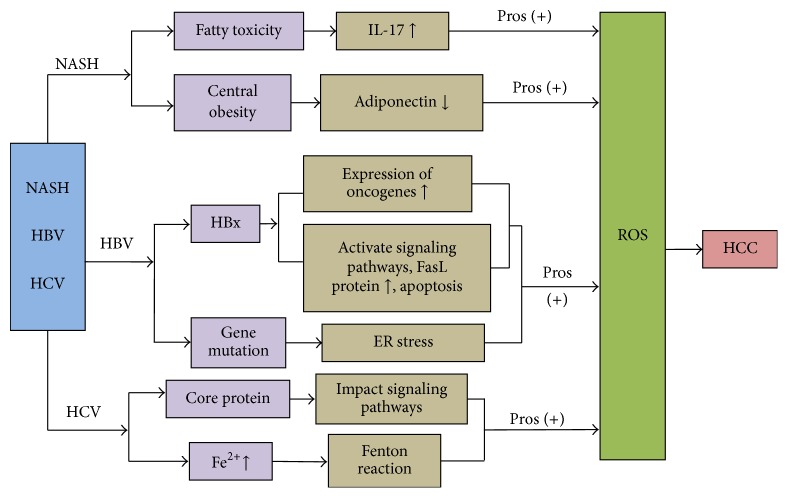
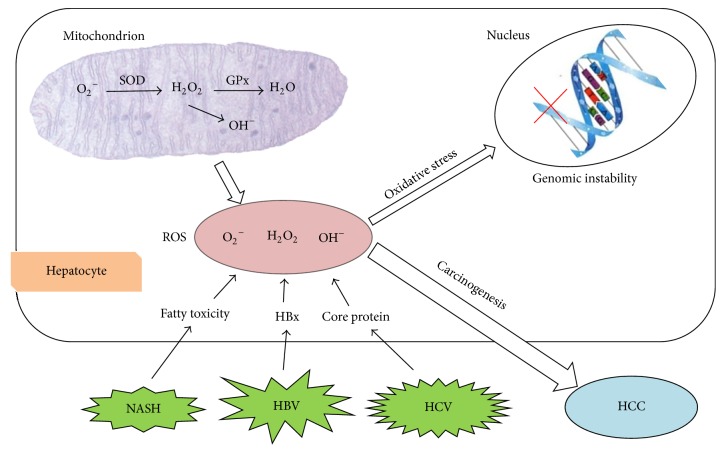
Accumulating evidence has indicated that oxidative stress (OS) is associated with the development of hepatocellular carcinoma (HCC). However, the mechanisms remain largely unknown. Normally, OS occurs when the body receives any danger signal-from either an internal or external source-and further induces DNA oxidative damage and abnormal protein expression, placing the body into a state of vulnerability to the development of various diseases such as cancer. There are many factors involved in liver carcinogenesis, including hepatitis B virus (HBV) and hepatitis C virus (HCV) infection, alcohol abuse, and nonalcoholic fatty liver disease (NAFLD). The relationship between OS and HCC has recently been attracting increasing attention. Therefore, elucidation of the impact of OS on the development of liver carcinogenesis is very important for the prevention and treatment of liver cancer. This review focuses mainly on the relationship between OS and the development of HCC from the perspective of cellular and molecular mechanisms and the etiology and therapeutic targets of HCC.
Conflict of interest statement
The authors declare that they have no competing interests.
Figures
References
Publication types
MeSH terms
LinkOut - more resources
Full Text Sources
Other Literature Sources
Medical
