


A pragmatic pilot randomized trial to investigate the effectiveness of behavioural activation group therapy in reducing depressive symptoms and improving quality of life in patients with depression: the BRAVE pilot trial protocol
- PMID: 27965817
- PMCID: PMC5154172
- DOI: 10.1186/s40814-015-0034-y
A pragmatic pilot randomized trial to investigate the effectiveness of behavioural activation group therapy in reducing depressive symptoms and improving quality of life in patients with depression: the BRAVE pilot trial protocol
Abstract
Background: Depression is a common disorder with a lifetime prevalence of 16 %. Despite the availability of several treatment options for depression, many patients do not respond to treatment and develop chronic illness associated with several secondary comorbidities. Behavioural activation (BA) is a simple therapy that has the potential for improving symptoms of depression and quality of life in patients with depression. The effectiveness of BA has not, however, been tested in a group format for patients with moderate to severe depression attending a specialized mood disorders tertiary care setting. Group format has the advantage of treating more patients at the same time especially in resource-limited settings. The primary objective of this pilot study is to test the feasibility of a main trial by assessing the recruitment and retention rates, average group size, completion of data and resources needed and receive the participants' feedback on the intervention. The secondary objective is to explore the change in mood and quality of life measures in adults with depression receiving BA.
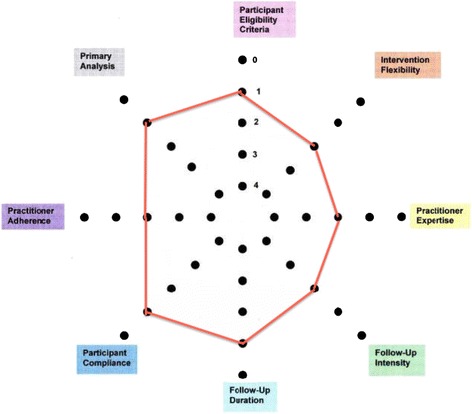
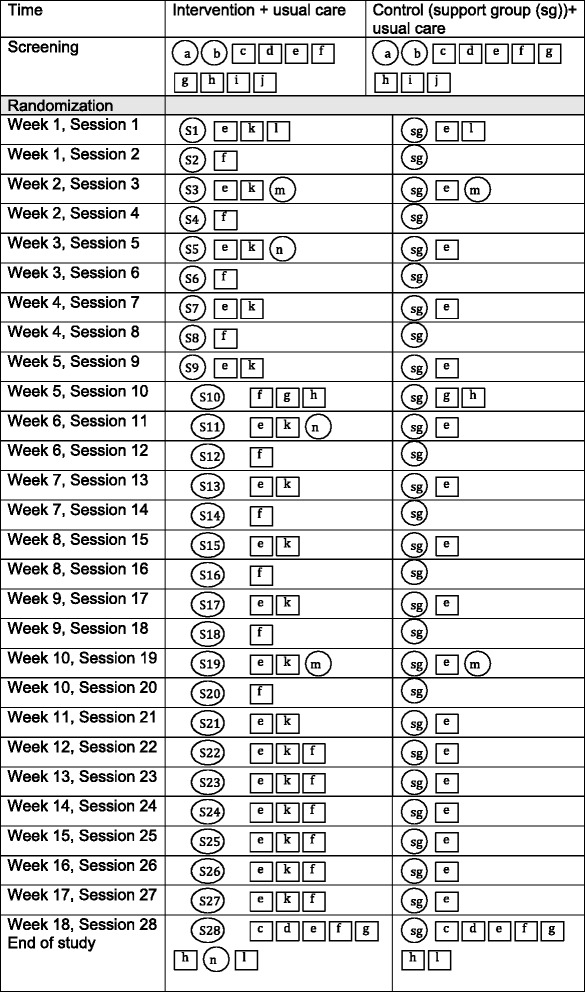
Methods/design: Using a pragmatic pilot randomized controlled trial design, we will test the feasibility of a large trial to assess the effectiveness of BA added to usual care compared to a depression support group with usual care. Participants will be randomized after obtaining informed written consent to one of two study arms. Face-to-face group therapy will be provided in a hospital setting by trained therapists. Intervention and control groups will be seen twice weekly for 10 weeks and then once weekly for further 8 weeks. Participants will be completing mood symptom scales, quality of life questionnaires and anthropometric measures and provide blood samples for future analysis of biomarkers of response to treatment. During the pilot study we will also solicit participants' feedback and experience regarding the number, frequency and contents of the sessions as well as to explore participant perceptions of barriers or benefits associated with the BA program.
Discussion: The pilot study will help to inform a larger trial and assist in modifying the intervention based on patients' feedback.
Trial registration: Clinicaltrials.gov Identifier NCT02045771. Hamilton Integrated Research Ethics Board (HiREB) number: 14-042.
Keywords: Activation; Adult; Behavioural; Depression; Group; Pilot; Pragmatic; Protocol; Randomized; Trial.
Figures
References
-
- Wild B, Herzog W, Schellberg D, Lechner S, Niehoff D, Brenner H, Rothenbacher D, Stegmaier C, Raum E. Association between the prevalence of depression and age in a large representative German sample of people aged 53 to 80 years. Int J Geriatr Psychiatry. 2012;27(4):375–381. - PubMed
-
- Pigott HE, Leventhal AM, Alter GS, Boren JJ. Efficacy and effectiveness of antidepressants: current status of research. Psychother Psychosom. 2010;79(5):267–279. - PubMed
-
- Sicras-Mainar A, Maurino J, Cordero L, Blanca-Tamayo M, Navarro-Artieda R. Assessment of pharmacological strategies for management of major depressive disorder and their costs after an inadequate response to first-line antidepressant treatment in primary care. Ann Gen Psychiatry. 2012;11(1):22. - PMC - PubMed
Associated data
LinkOut - more resources
Full Text Sources
Other Literature Sources
Medical
