. 2016 Dec 15:6:39092.
doi: 10.1038/srep39092.

Induction of a robust immunity response against novel duck reovirus in ducklings using a subunit vaccine of sigma C protein

Affiliations

Induction of a robust immunity response against novel duck reovirus in ducklings using a subunit vaccine of sigma C protein

Zhuangli Bi et al. Sci Rep. .

Abstract

Novel duck reovirus (NDRV) disease emerged in China in 2011 and continues to cause high morbidity and about 5.0 to 50% mortality in ducklings. Currently there are no approved vaccines for the virus. This study aimed to assess the efficacy of a new vaccine created from the baculovirus and sigma C gene against NDRV. In this study, a recombinant baculovirus containing the sigma C gene was constructed, and the purified protein was used as a vaccine candidate in ducklings. The efficacy of sigma C vaccine was estimated according to humoral immune responses, cellular immune response and protection against NDRV challenge. The results showed that sigma C was highly expressed in Sf9 cells. Robust humoral and cellular immune responses were induced in all ducklings immunized with the recombinant sigma C protein. Moreover, 100% protection against lethal challenge with NDRV TH11 strain was observed. Summary, the recombinant sigma C protein could be utilized as a good candidate against NDRV infection.


Figures
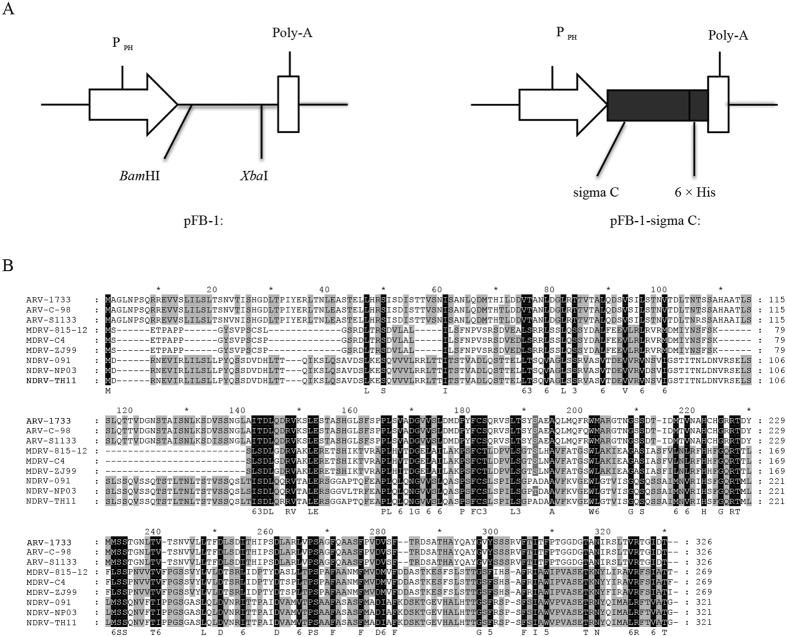
Figure 1
Figure 1
Schematic representation of the structure of pFB-1-sigma C (A) and amino acid sequence alignment of the sigma C protein of NDRVs compared with those of ARVs and MDRVs. (B). Notes: pFB-1, pFastBac1 vector; PPH, the polyhedron promoter of the baculovirus; Poly-A, polyadenylation signal.
Figure 2
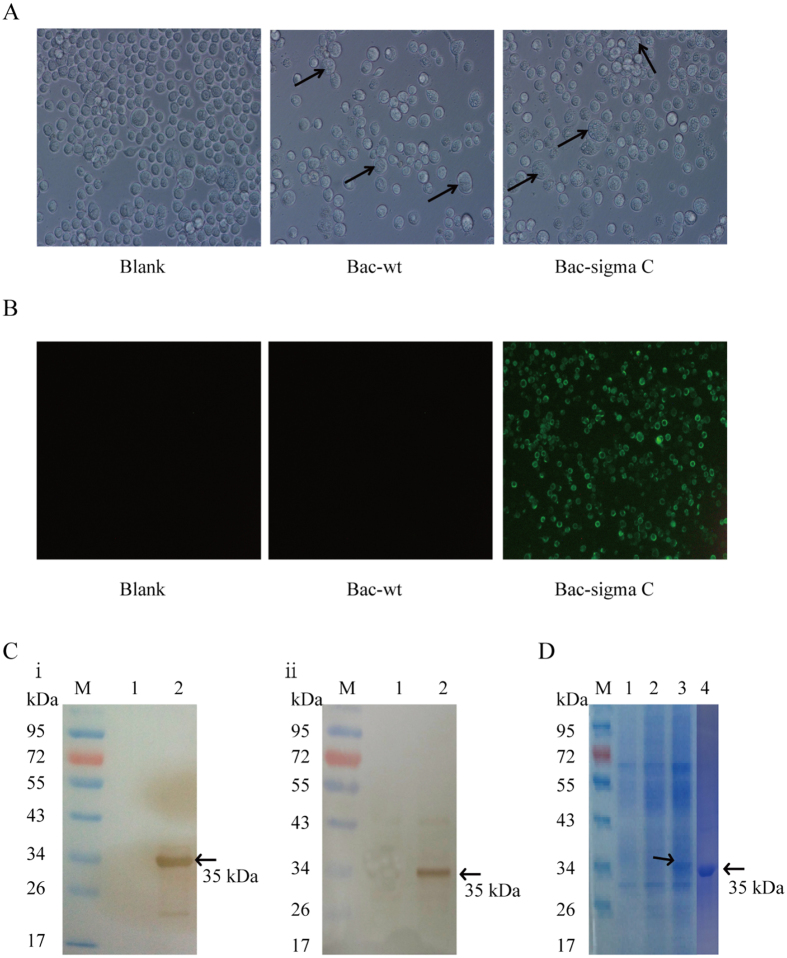
Figure 2. Identification and purification of recombinant sigma C protein.
(A) Characterization of baculovirus infected cells. Sf9 cells were infected with the recombinant sigma C baculovirus (Bac-sigma C), wild-type baculovirus (Bac-wt), and blank control (Blank). The arrows indicate larger cell size formation in Sf9 cells infected with Bac-wt and Bac-sigma C. (B) Immunofluorescence assay (IFA) of Bac-sigma C infected cells. After 48 h post-infection, cells were analyzed by IFA using the mouse antiserum of sigma C as primary antibody and FITC-conjugated goat anti-mouse IgG antibody as secondary antibody (original magnification, 100x). (C) Western blot analysis of recombinant sigma C protein in Bac-sigma C infected cells using anti-sigma C serum (i) and anti-His monoclonal antibody (ii). Lane M, molecular weight markers; Lane 1: Sf9 cells infected with Bac-wt; Lane 2: Sf9 cells infected with Bac-sigma C. (D) Sodium dodecyl sulfate polyacrylamide gel electrophoresis (SDS-PAGE) analysis of the purified sigma C fusion protein. Lane M, molecular weight markers; Lane 1: non-treated Sf9 cells; Lane 2: Sf9 cells infected with Bac-wt; Lane 3: Sf9 cells infected with Bac-sigma C; Lane 4: 2 μg purified sigma C protein.
Figure 3
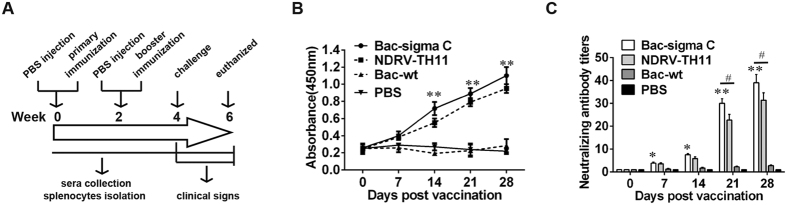
Figure 3. Antibody response in ducklings immunized with recombinant sigma C protein.
(A) Time point of duckling experiments. (B) Sigma C-specific antibody levels detected by indirect enzyme-linked immunosorbent assay (ELISA) analysis. (C) Neutralization antibody levels detected by serum neutralization assay. Each data represents the mean ± SD. *p < 0.05, **P < 0.01 vs. PBS group. #p < 0.05 vs. NDRV-TH11 group.
Figure 4
Figure 4. Cellular immune response in ducklings immunized with sigma C.
(A) The dynamic changes of lymphocyte proliferation in immune response test (A570 value). The lymphocyte proliferation response was measured on 2 weeks and 4 weeks after the first immunization. Each data represents the mean ± SD. **P < 0.01 vs. Bac-sigma C group stimulated with DMEM alone. ##p < 0.01 vs. NDRV-TH11 group stimulated with DMEM alone. (B) The interferon gamma (IFN-γ) concentration in serum harvested from immunized ducklings was measured by enzyme-linked immunosorbent assay (ELISA). (C) The interleukin 4 (IL-4) concentration in serum harvested from immunized ducklings was measured by ELISA. Data are the mean ± SD. *P < 0.05, **p < 0.01 vs. PBS group.
Figure 5
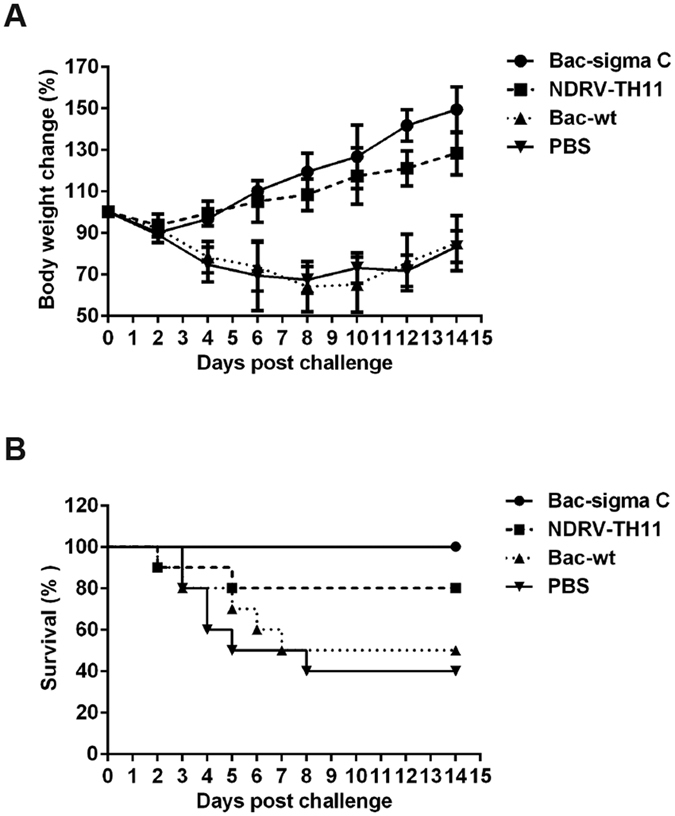
Figure 5. Weight loss and survival rate in ducklings after lethal challenge.
(A) Weight change was calculated for 14 d after virus challenge and is presented as the mean ± SD percentage of the original body weight. (B) Survival curves after challenge. The statistical significance of differences in mortality between groups was determined using the Kaplan-Meier method, and analyzed with a Log-rank (Mantel-Cox) test. For Bac-sigma C vs. PBS, P < 0.05; for Bac-sigma C vs. Bac-wt, p < 0.05; and for Bac-wt vs. NDRV-TH11, p > 0.05.
Figure 6
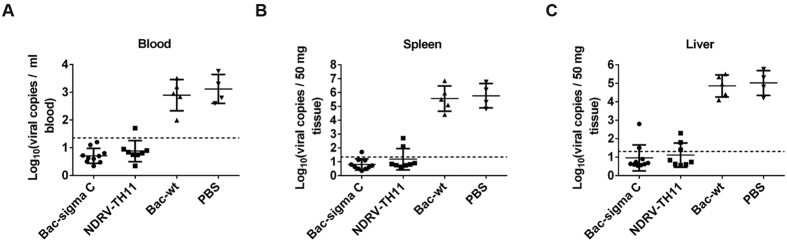
Figure 6. Quantification of viral loads in different tissues of euthanized ducklings using real-time quantitative RT-PCR (qRT-PCR).
Samples were collected from ducklings challenged with NDRV-TH11 strain at 14 dpc, and their viral copies were then detected by qRT-PCR. (A) Viral loads in blood. (B)Viral loads in the spleen. (C) Viral loads in the liver. The dotted line marks the positive cut-off. The statistical significance of differences in the virus copies between vaccinated and control groups were determined using One-Way ANOVA and Tukey’s multiple comparison tests between groups. (**p < 0.01 vs. PBS group).

References

    1. Glavits R. et al. Pathological studies in chicken embryos and day-old chicks experimentally infected with avian reovirus. Acta veterinaria Hungarica 32, 23–37 (1984). - PubMed
    1. Heggen-Peay C. L. et al. Isolation of a reovirus from poult enteritis and mortality syndrome and its pathogenicity in turkey poults. Avian diseases 46, 32–47, doi: 10.1637/0005-2086(2002)046[0032:IOARFP]2.0.CO;2 (2002). - DOI - PubMed
    1. Malkinson M., Perk K. & Weisman Y. Reovirus infection of young Muscovy ducks (Cairina moschata). Avian pathology : journal of the W.V.P.A 10, 433–440, doi: 10.1080/03079458108418493 (1981). - DOI - PubMed
    1. Jones R. C. & Guneratne J. R. The pathogenicity of some avian reoviruses with particular reference to tenosynovitis. Avian pathology : journal of the W.V.P.A 13, 173–189, doi: 10.1080/03079458408418522 (1984). - DOI - PubMed
    1. Palya V. et al. Reovirus identified as cause of disease in young geese. Avian pathology : journal of the W.V.P.A 32, 129–138, doi: 10.1080/030794502100007187 (2003). - DOI - PubMed

Publication types