


Characterization of the Complete Mitochondrial Genome of Leucoma salicis (Lepidoptera: Lymantriidae) and Comparison with Other Lepidopteran Insects
- PMID: 27974854
- PMCID: PMC5156926
- DOI: 10.1038/srep39153
Characterization of the Complete Mitochondrial Genome of Leucoma salicis (Lepidoptera: Lymantriidae) and Comparison with Other Lepidopteran Insects
Erratum in
-
Author Correction: Characterization of the Complete Mitochondrial Genome of Leucoma salicis (Lepidoptera: Lymantriidae) and Comparison with Other Lepidopteran Insects.Sci Rep. 2020 Apr 24;10(1):7222. doi: 10.1038/s41598-020-63946-0. Sci Rep. 2020. PMID: 32332824 Free PMC article.
Abstract
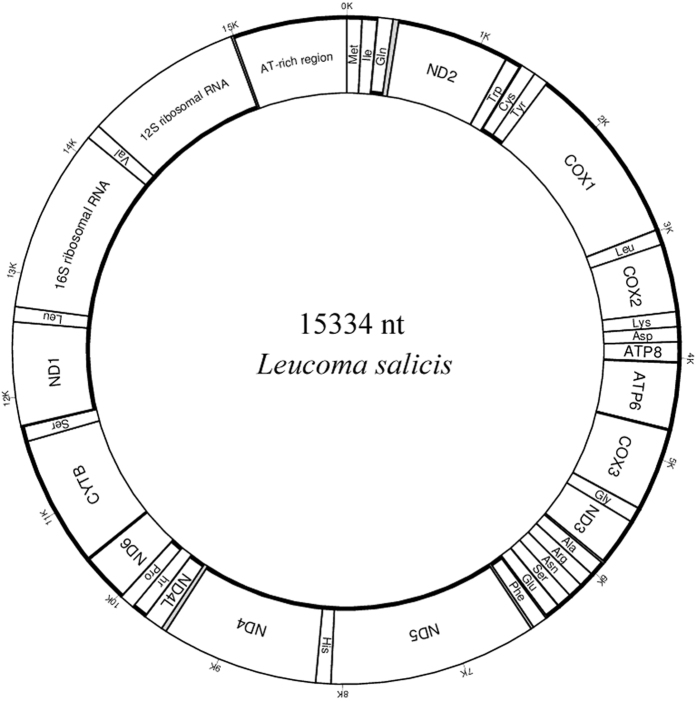
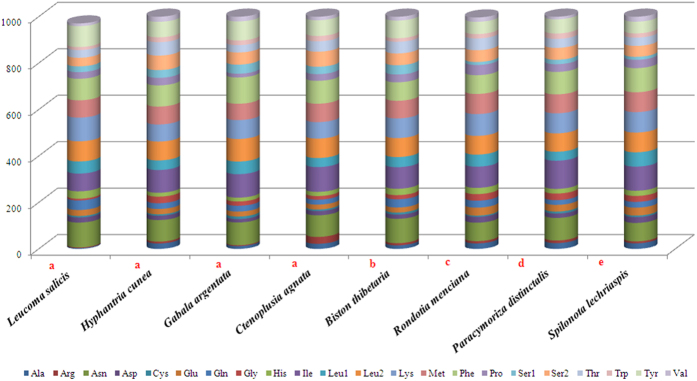
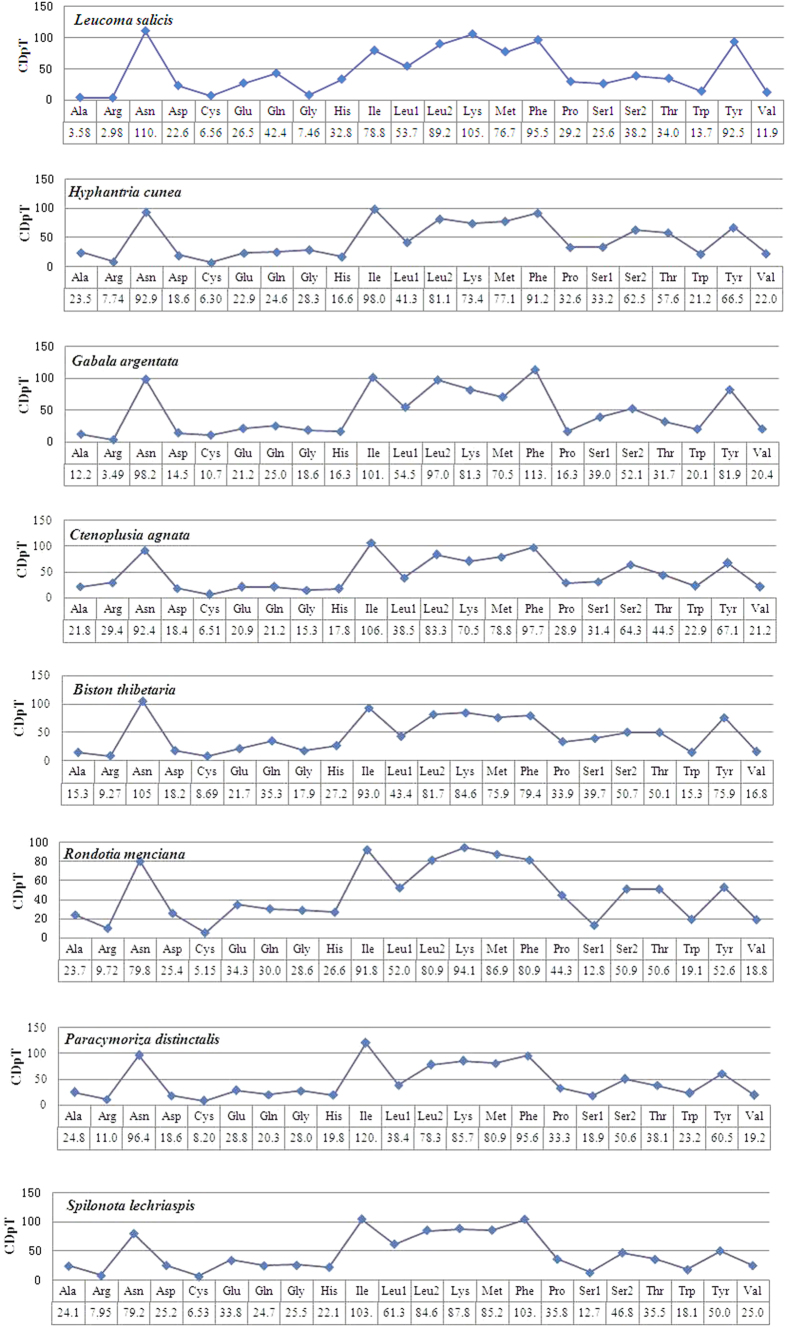
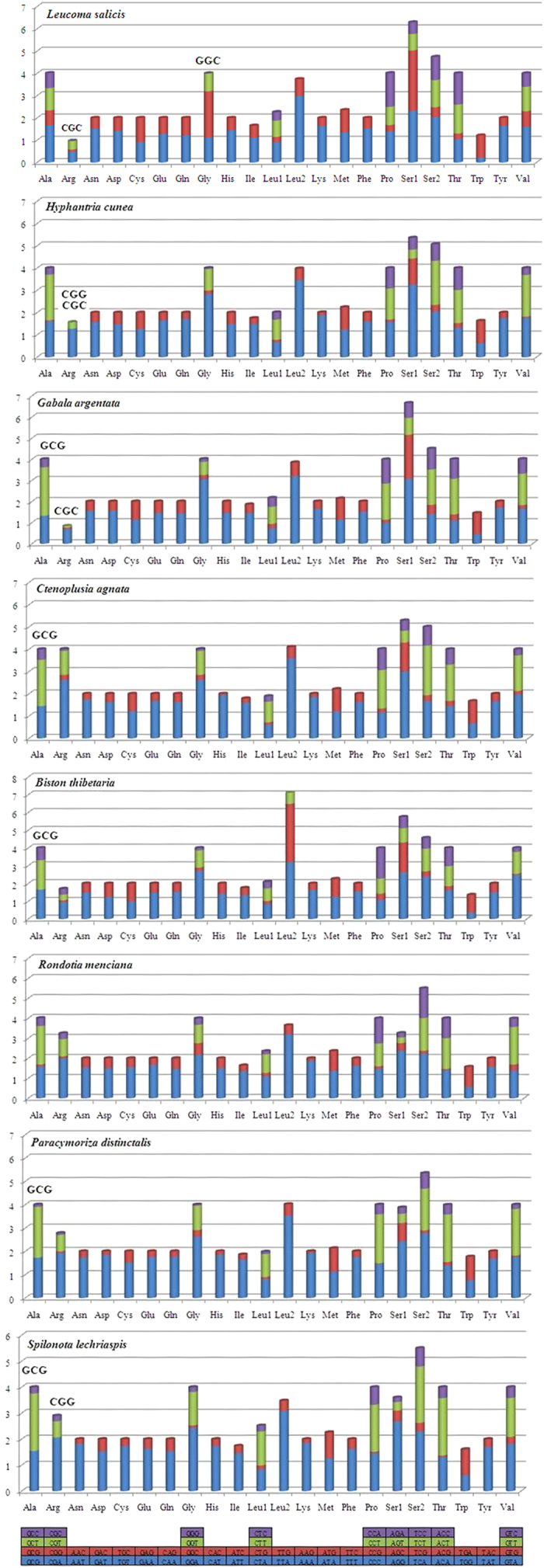
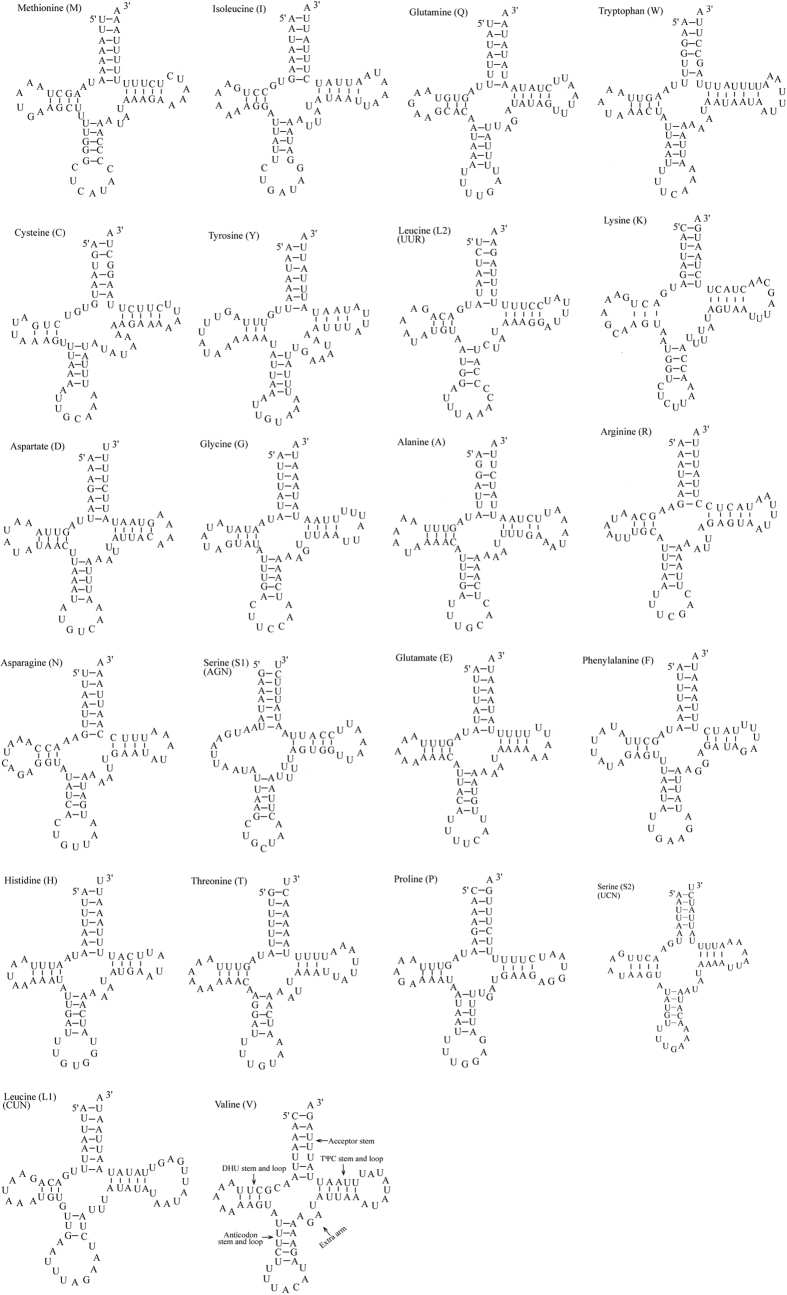
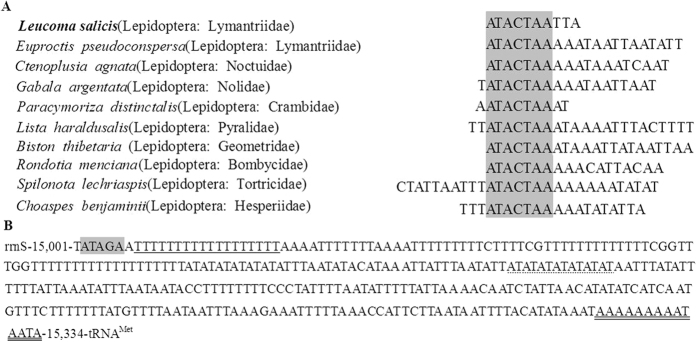
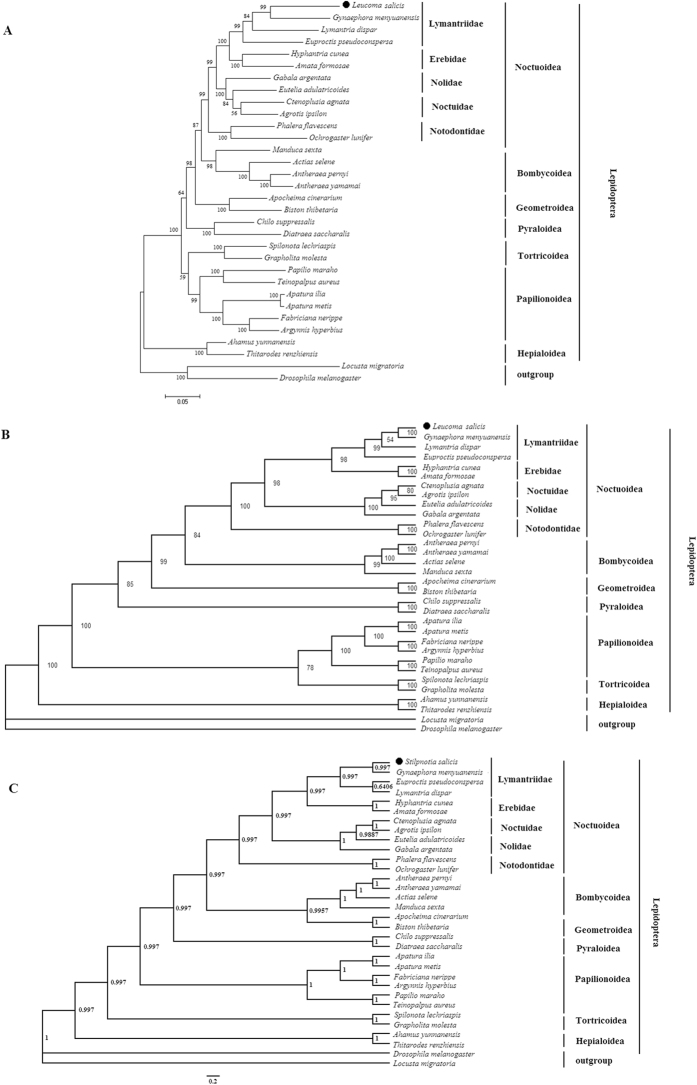
The complete mitochondrial genome (mitogenome) of Leucoma salicis (Lepidoptera: Lymantriidae) was sequenced and annotated. It is a circular molecule of 15,334 bp, containing the 37 genes usually present in insect mitogenomes. All protein-coding genes (PCGs) are initiated by ATN codons, other than cox1, which is initiated by CGA. Three of the 13 PCGs had an incomplete termination codon, T or TA, while the others terminated with TAA. The relative synonymous codon usage of the 13 protein-coding genes (PCGs) was consistent with those of published lepidopteran sequences. All tRNA genes had typical clover-leaf secondary structures, except for the tRNASer (AGN), in which the dihydrouridine (DHU) arm could not form a stable stem-loop structure. The A + T-rich region of 325 bp had several distinctive features, including the motif 'ATAGA' followed by an 18 bp poly-T stretch, a microsatellite-like (AT)7 element, and an 11-bp poly-A present immediately upstream of tRNAMet. Relationships among 32 insect species were determined using Maximum Likelihood (ML), Neighbor Joining (NJ) and Bayesian Inference (BI) phylogenetic methods. These analyses confirm that L. salicis belongs to the Lymantriidae; and that Lymantriidae is a member of Noctuoidea, and is a sister taxon to Erebidae, Nolidae and Noctuidae, most closely related to Erebidae.
Figures
References
-
- Zhao Z. L. Fauna Sinica: Insecta, Lepidoptera, Lymantriidae (Chinese Edition). Vol. 30. 281–286 (Science Press, 2003).
-
- Schintlmeister A. The taxonomy of the genus Lymantria Hübner, [1819]: (Lepidoptera: Lymantriidae). Quadrifina. 7, 1–248 (2004).
-
- Arimoto M. & Ren I. Identification of Japanese Lymantria species (Lepidoptera: Lymantriidae) based on PCR-RFLP analysis of mitochondrial DNA. Appl. Entom. Zool. 49, 159–169 (2014).
-
- Muto S. E. & Mori K. Synthesis of all four stereoisomers of leucomalure, components of the female sex pheromone of the satin moth. Leucoma salicis. Cheminform. 7, 1300–1307 (2003).
-
- Strokovskaya L., Ziemnicka J. & Michalik J. Genetic variability of four natural isolates of the Stilpnotia salicis multiple-enveloped nuclear polyhedrosis virus. Acta Biochim. Polonica. 43, 633–638 (1996). - PubMed
MeSH terms
Substances
LinkOut - more resources
Full Text Sources
Other Literature Sources
Research Materials
Miscellaneous
