


Are different imaging methods affecting the treatment decision of extractions of mandibular third molars?
- PMID: 27990846
- PMCID: PMC5595052
- DOI: 10.1259/dmfr.20160233
Are different imaging methods affecting the treatment decision of extractions of mandibular third molars?
Abstract
Objectives: To find the differences between treatment decisions of lower impacted third molars among experts of oral and maxillofacial surgery according to panoramic radiographic and CBCT findings.
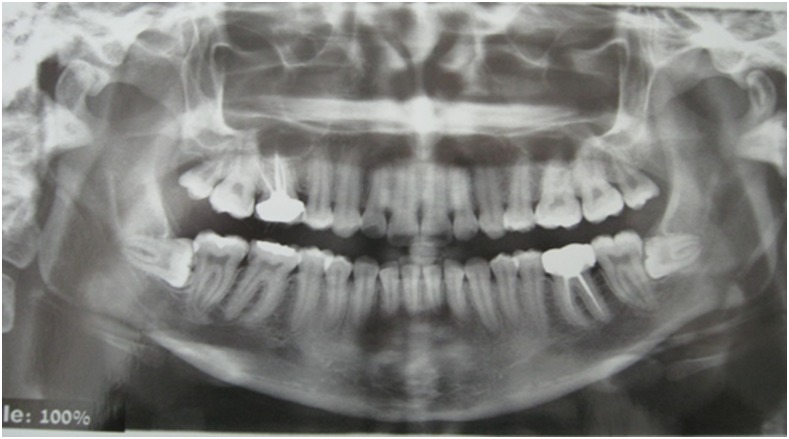
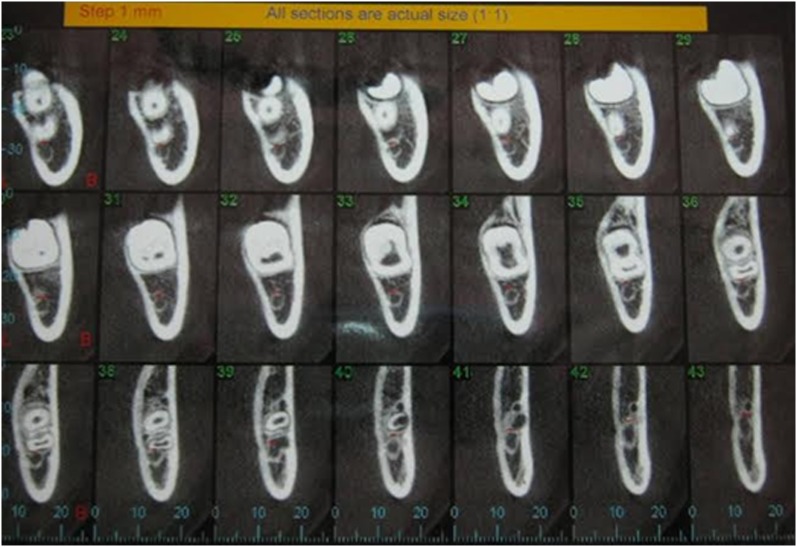
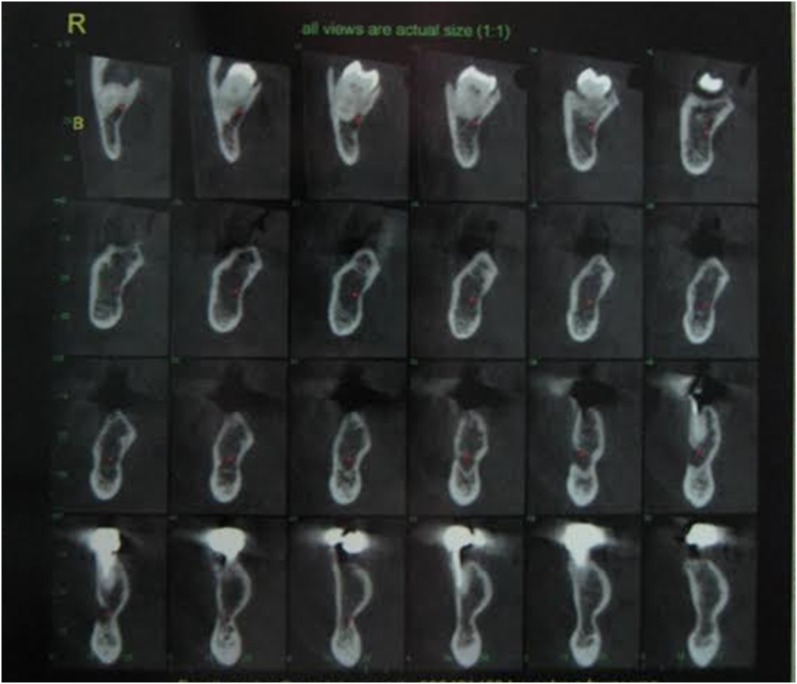
Methods: A retrospective analysis of 62 panoramic radiographs and CBCT of lower third molars evaluated for treatment decisions by 9 independent experts of oral and maxillofacial surgery.
Results: Differences in interpretation of the panoramic radiography were found between surgeons. The absence of radiological signs suspected for risk to the inferior alveolar nerve lead to the decision of extraction according to panoramic radiography without CBCT (p < 0.01). The presence of those signs lead to referral to CBCT by surgeons before treatment but did not change their decision.
Conclusions: Treatment decision for surgical treatment of the lower third molar can be accepted without CBCT findings. The use of CBCT is popular before extraction of lower third molars. We found that it has a little effect on the treatment decision of the surgical intervention in comparison to panoramic radiography.
Keywords: CBCT; imaging methods; lower third molar extractions; treatment decision.
Figures

Comment in
-
Imaging methods add extra variability to risk assessment and treatment decisions when planning for third-molar extraction.J Am Dent Assoc. 2017 Jul;148(7):e86. doi: 10.1016/j.adaj.2017.04.019. J Am Dent Assoc. 2017. PMID: 28651717 No abstract available.
-
Are different imaging methods affecting the treatment decision of extractions of mandibular third molars? Methodological and statistical issues.Dentomaxillofac Radiol. 2018 Jul;47(5):20180043. doi: 10.1259/dmfr.20180043. Epub 2018 Mar 29. Dentomaxillofac Radiol. 2018. PMID: 29565688 Free PMC article. No abstract available.
References
-
- Blondeau F, Daniel NG. Extraction of impacted mandibular third molar: postoperative complication and their risk factors. J Can Dent Assoc 2007; 73: 325–7. - PubMed
-
- Jerjes W, Swinson B, Moles DR, El-Maaytah M, Banu B, Upile T, et al. Permanent sensory nerve impairment following third molar surgery: a prospective study. Oral Surg Oral Med Oral Pathol Oral Radiol Endod 2006; 102: e1–7. doi: https://doi.org/10.1016/j.tripleo.2006.01.016 - DOI - PubMed
-
- Lindh C, Petersson A, Klinge B. Visualization of the mandibular canal by different radiographic techniques. Clin Oral Implants Res 1992; 3: 90–7. doi: https://doi.org/10.1034/j.1600-0501.1992.030207.x - DOI - PubMed
-
- Rood JP, Shehab BA. The radiological prediction of inferior alveolar nerve injury during third molar surgery. Br J Oral Maxillofac Surg 1990; 28: 20–5. doi: https://doi.org/10.1016/0266-4356(90)90005-6 - DOI - PubMed
-
- Suomalainen A, Ventä I, Mattila M, Turtola L, Vehmas T, Peltola JS. Reliability of CBCT and other radiographic methods in preoperative evaluation of lower third molars. Oral Surg Oral Med Oral Pathol Oral Radiol Endod 2010; 109: 276–84. doi: https://doi.org/10.1016/j.tripleo.2009.10.021 - DOI - PubMed
LinkOut - more resources
Full Text Sources
Other Literature Sources
