


Aging of the Immune System. Mechanisms and Therapeutic Targets
- PMID: 28005419
- PMCID: PMC5291468
- DOI: 10.1513/AnnalsATS.201602-095AW
Aging of the Immune System. Mechanisms and Therapeutic Targets
Abstract
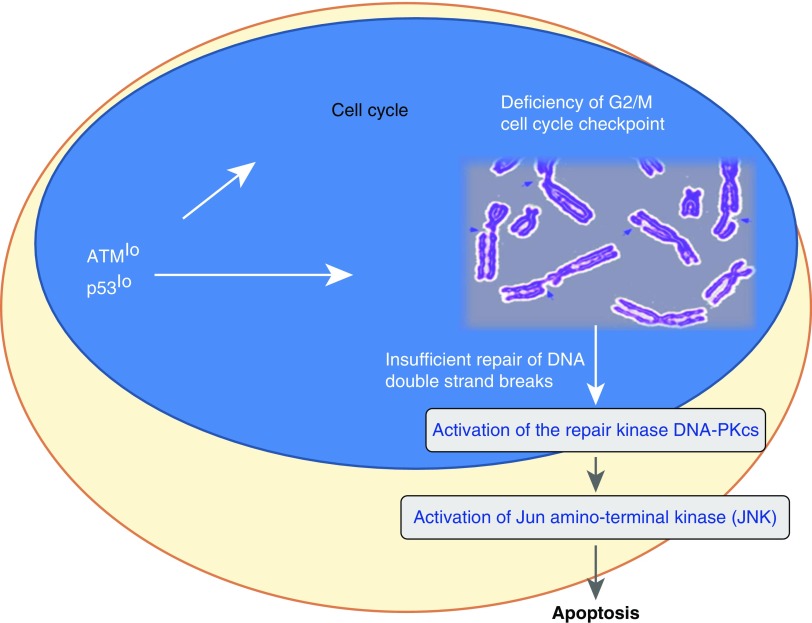
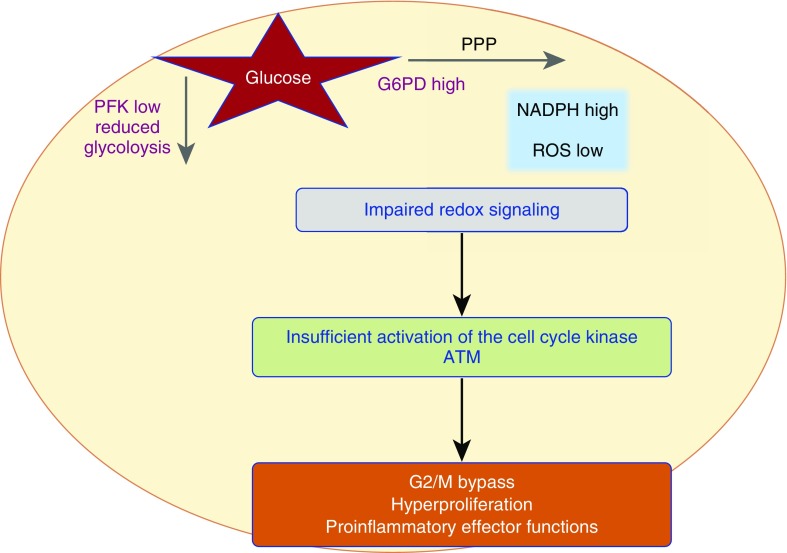
Beginning with the sixth decade of life, the human immune system undergoes dramatic aging-related changes, which continuously progress to a state of immunosenescence. The aging immune system loses the ability to protect against infections and cancer and fails to support appropriate wound healing. Vaccine responses are typically impaired in older individuals. Conversely, inflammatory responses mediated by the innate immune system gain in intensity and duration, rendering older individuals susceptible to tissue-damaging immunity and inflammatory disease. Immune system aging functions as an accelerator for other age-related pathologies. It occurs prematurely in some clinical conditions, most prominently in patients with the autoimmune syndrome rheumatoid arthritis (RA); and such patients serve as an informative model system to study molecular mechanisms of immune aging. T cells from patients with RA are prone to differentiate into proinflammatory effector cells, sustaining chronic-persistent inflammatory lesions in the joints and many other organ systems. RA T cells have several hallmarks of cellular aging; most importantly, they accumulate damaged DNA. Because of deficiency of the DNA repair kinase ataxia telangiectasia mutated, RA T cells carry a higher burden of DNA double-strand breaks, triggering cell-indigenous stress signals that shift the cell's survival potential and differentiation pattern. Immune aging in RA T cells is also associated with metabolic reprogramming; specifically, with reduced glycolytic flux and diminished ATP production. Chronic energy stress affects the longevity and the functional differentiation of older T cells. Altered metabolic patterns provide opportunities to therapeutically target the immune aging process through metabolic interference.
Keywords: DNA damage; T cells; glycolysis; immune aging; inflammation.
Figures
References
-
- Bansilal S, Castellano JM, Fuster V. Global burden of CVD: focus on secondary prevention of cardiovascular disease. Int J Cardiol. 2015;201:S1–S7. - PubMed
-
- Hurme M, Korkki S, Lehtimäki T, Karhunen PJ, Jylhä M, Hervonen A, Pertovaara M. Autoimmunity and longevity: presence of antinuclear antibodies is not associated with the rate of inflammation or mortality in nonagenarians. Mech Ageing Dev. 2007;128:407–408. - PubMed
-
- Kooman JP, Shiels PG, Stenvinkel P. Premature aging in chronic kidney disease and chronic obstructive pulmonary disease: similarities and differences. Curr Opin Clin Nutr Metab Care. 2015;18:528–534. - PubMed
Publication types
MeSH terms
Substances
Grants and funding
LinkOut - more resources
Full Text Sources
Other Literature Sources
Medical
Research Materials
