


Ammonia toxicity: from head to toe?
- PMID: 28012068
- PMCID: PMC8839071
- DOI: 10.1007/s11011-016-9938-3
Ammonia toxicity: from head to toe?
Abstract
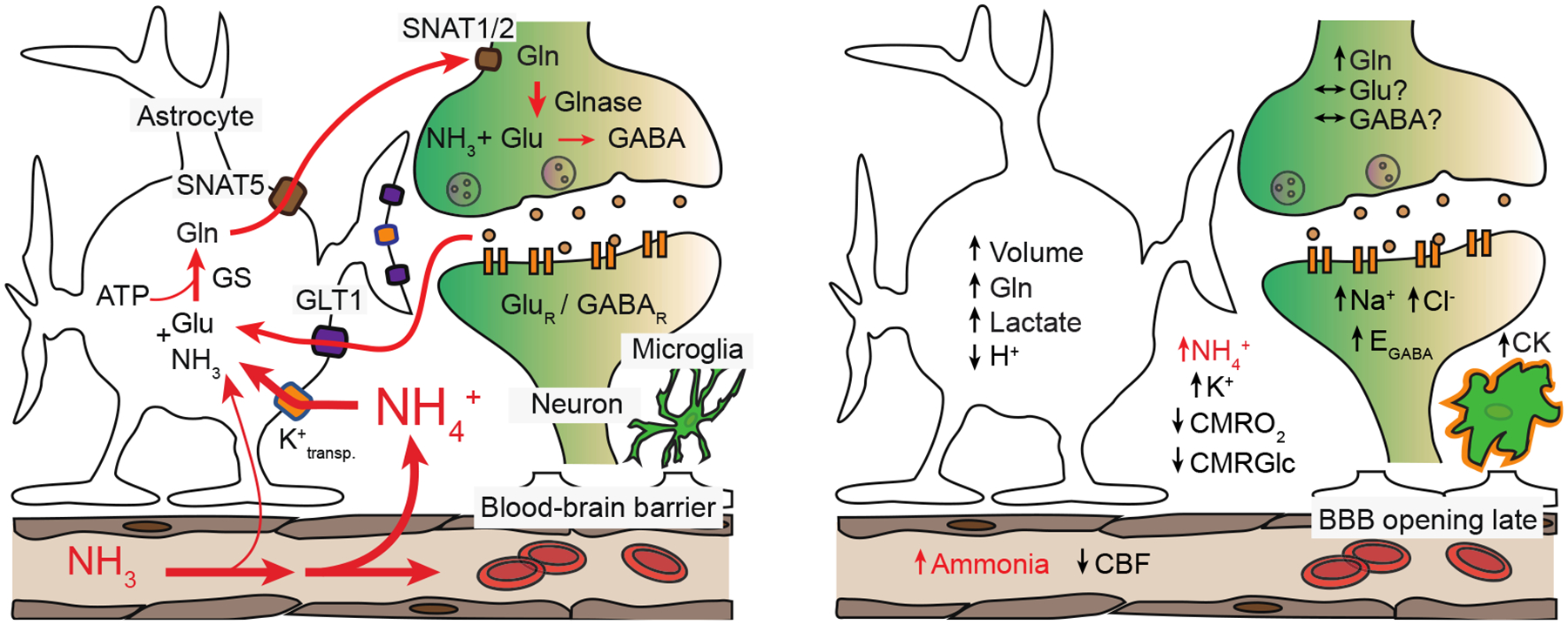
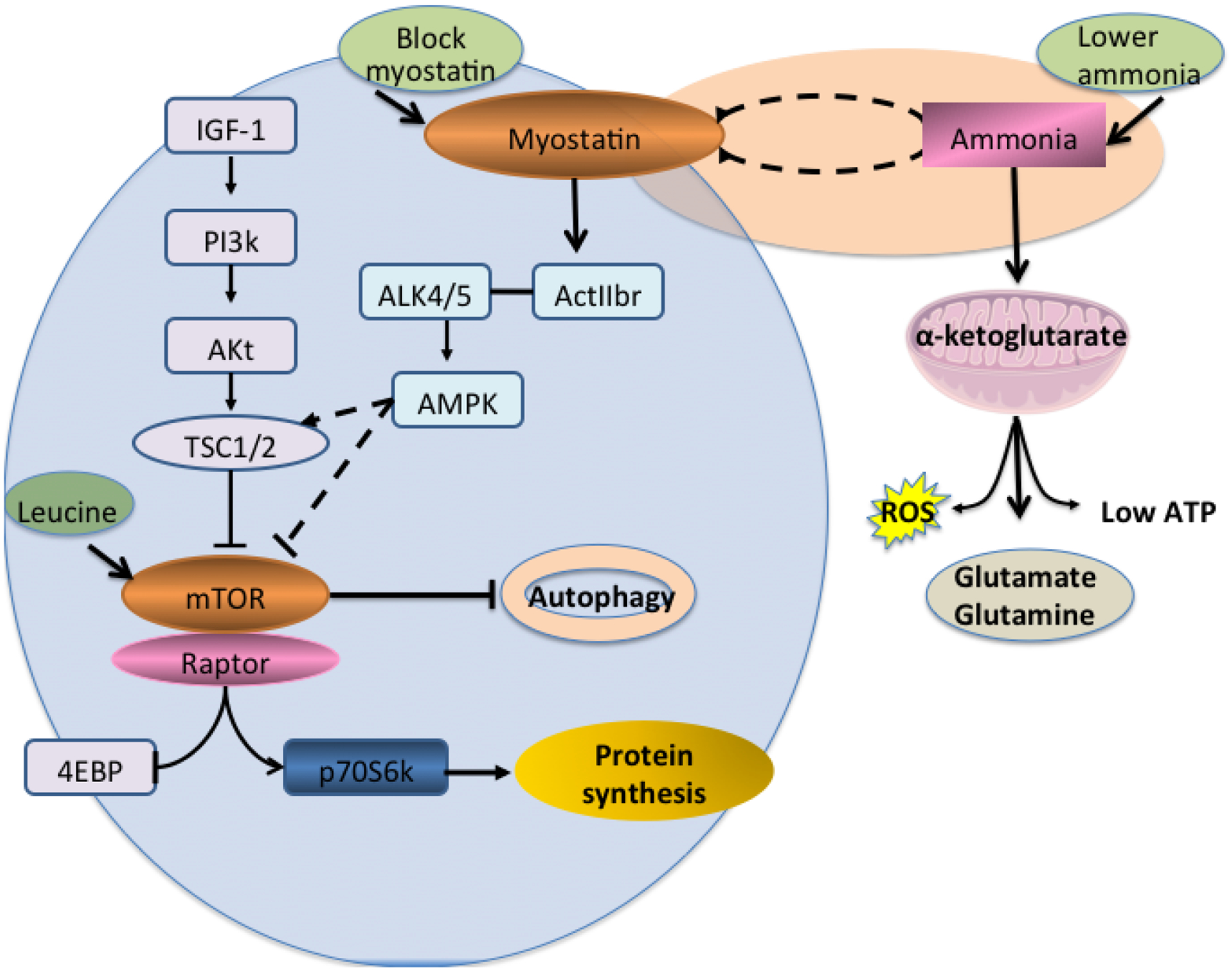
Ammonia is diffused and transported across all plasma membranes. This entails that hyperammonemia leads to an increase in ammonia in all organs and tissues. It is known that the toxic ramifications of ammonia primarily touch the brain and cause neurological impairment. However, the deleterious effects of ammonia are not specific to the brain, as the direct effect of increased ammonia (change in pH, membrane potential, metabolism) can occur in any type of cell. Therefore, in the setting of chronic liver disease where multi-organ dysfunction is common, the role of ammonia, only as neurotoxin, is challenged. This review provides insights and evidence that increased ammonia can disturb many organ and cell types and hence lead to dysfunction.
Keywords: Ammonia; Brain; Hepatic encephalopathy; Liver; Muscle; Toxicity.
Conflict of interest statement
Figures
References
-
- Abdo AA (2006) An evidence-based update on hepatic encephalopathy. Saudi J Gastroenterol 12:8–15 - PubMed
-
- Agusti A, Cauli O, Rodrigo R, Llansola M, Hernández-Rabaza V, Felipo V (2011) p38 MAP kinase is a therapeutic target for hepatic encephalopathy in rats with portacaval shunts. Gut 60:1572–1579 - PubMed
-
- Alger BE, Nicoll RA (1983) Ammonia does not selectively block IPSPs in rat hippocampal pyramidal cells. J. Neurophysiol 49:1381–1391 - PubMed
-
- Ali R, Mittal G, Sultana S, Bhatnagar A (2012) Ameliorative potential of alpha-ketoglutaric acid (AKG) on acute lung injuries induced by ammonia inhalation in rats. Experimental Lung Research 38:435–444 - PubMed
Publication types
MeSH terms
Substances
Grants and funding
LinkOut - more resources
Full Text Sources
Other Literature Sources
Medical
