


Ginsenoside Rb2 enhances the anti-inflammatory effect of ω-3 fatty acid in LPS-stimulated RAW264.7 macrophages by upregulating GPR120 expression
- PMID: 28017961
- PMCID: PMC5309758
- DOI: 10.1038/aps.2016.135
Ginsenoside Rb2 enhances the anti-inflammatory effect of ω-3 fatty acid in LPS-stimulated RAW264.7 macrophages by upregulating GPR120 expression
Abstract
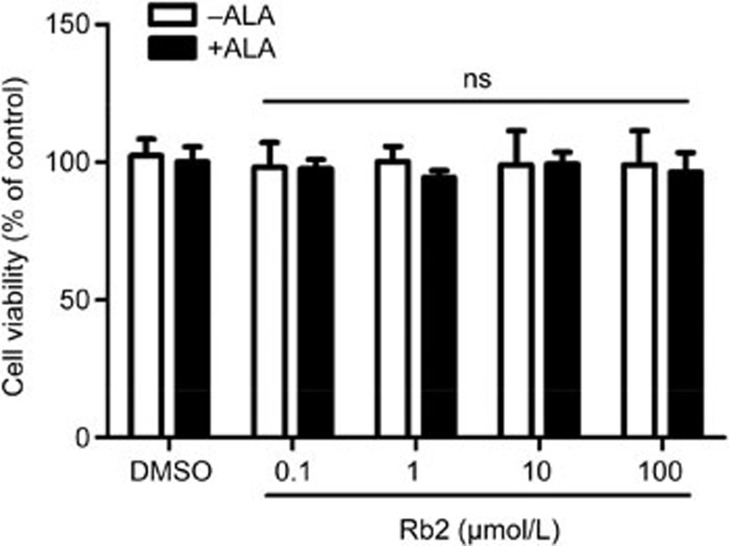
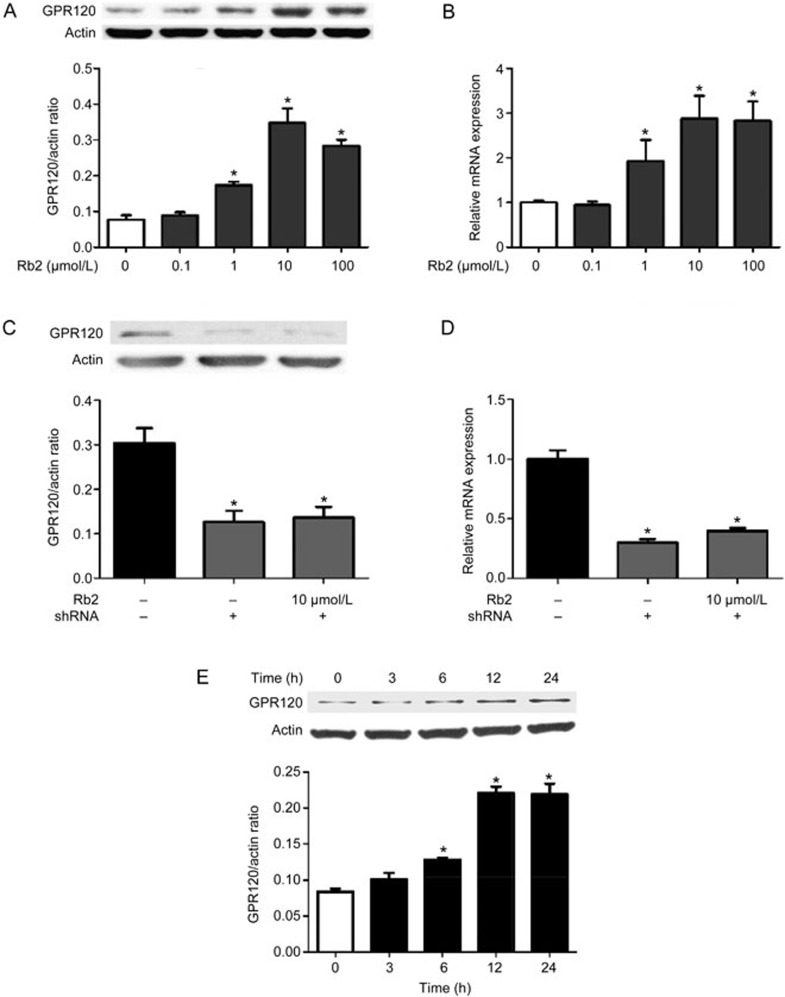
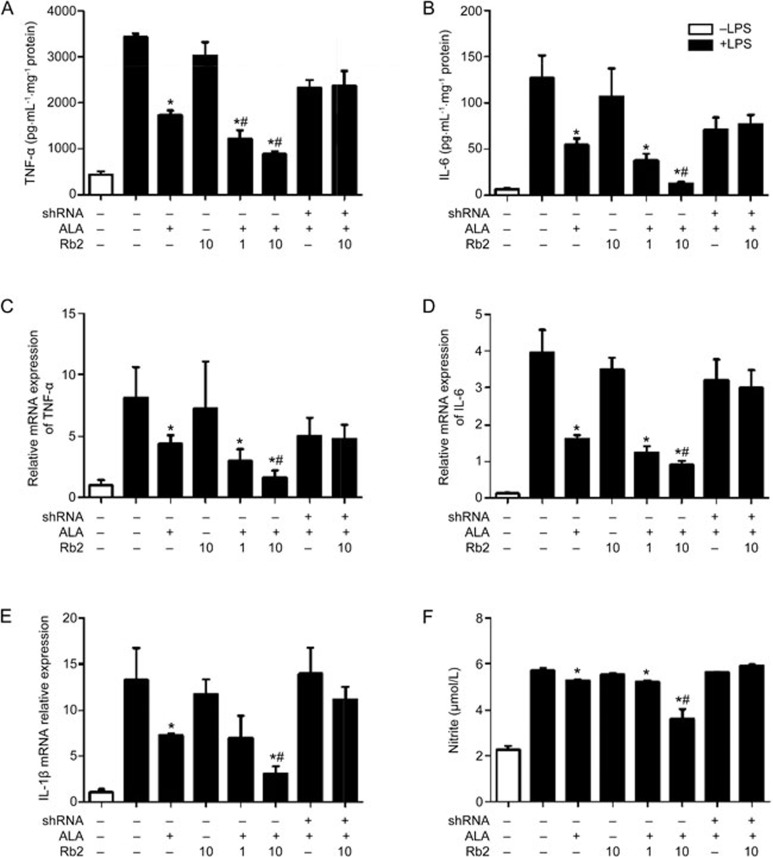
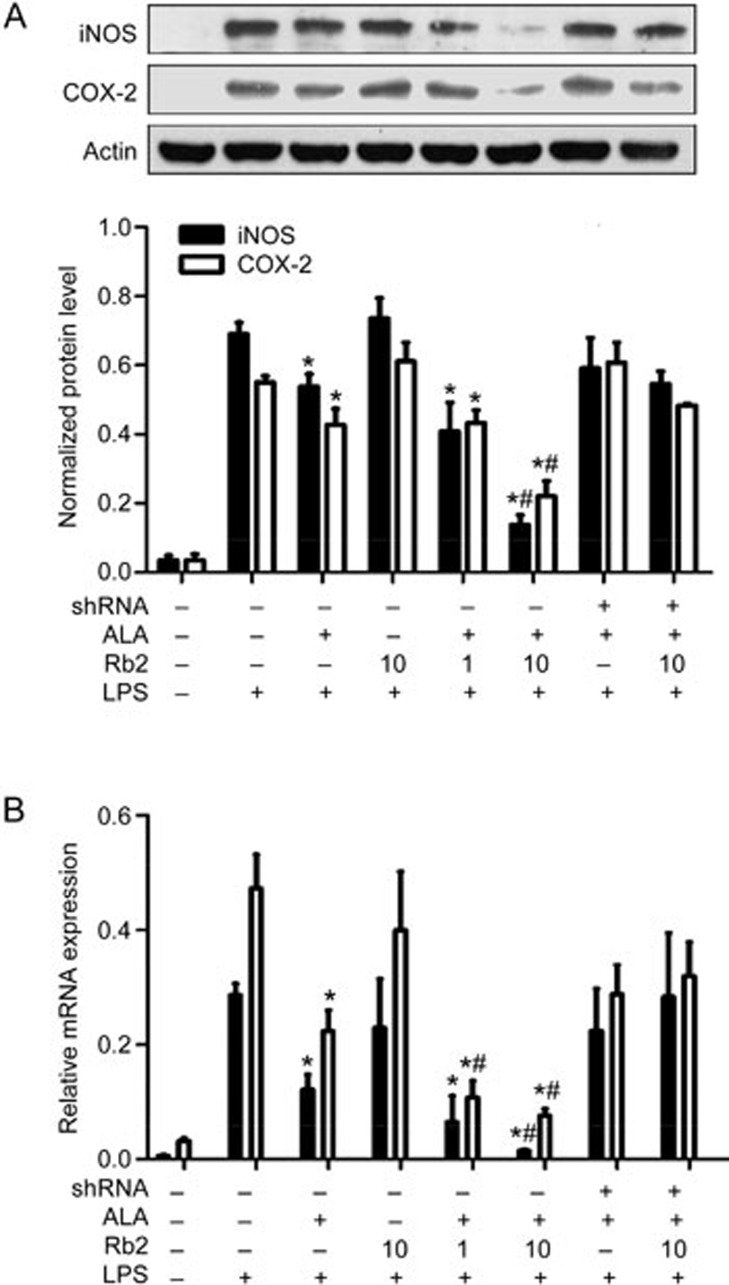
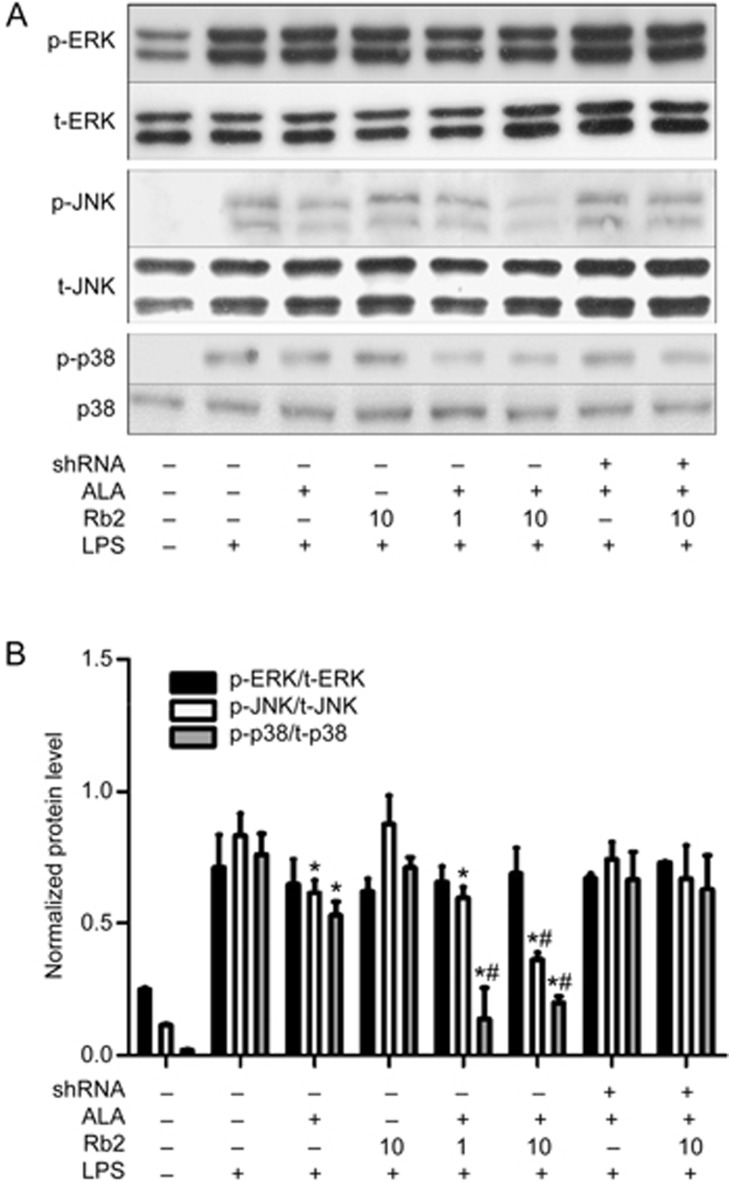
Recent studies confirm that chronic low-grade inflammation is closely associated with metabolic syndromes, and anti-inflammatory therapy is a potential approach for treating cardiovascular diseases and type 2 diabetes. Accumulating evidence suggests that GPR120 activation is a feasible solution to ameliorating chronic inflammation and improving glucose metabolism. In this study we investigated whether ginsenoside Rb2 (Rb2), which exhibited regulatory activities in glucose and lipid metabolism, affected GPR120 expression in lipopolysaccharide (LPS)-activated mouse macrophage RAW264.7 cells, and examined the contribution of GPR120 activation to reducing the LPS-induced inflammatory response. LPS (100 ng/mL) activated the macrophages, resulting in dramatic increases in TNF-α, IL-6, IL-1β and NO production. Treatment with a ω-3 fatty acid α-linolenic acid (ALA, 50 μmol/L) produced moderate reduction in LPS-stimulated inflammatory cytokines and NO production (TNF-α and IL-6 were decreased by 46% and 42%, respectively). Pre-incubation with Rb2 (1 or 10 μmol/L) for 12 h before ALA treatment dramatically amplified the inhibitory effects of ALA (TNF-α and IL-6 were decreased by 74% and 86%, respectively). Compared to the treatment with ALA alone, pre-incubation with Rb2 resulted in a more prominent reduction in LPS-stimulated expression of iNOS and COX-2 and LPS-stimulated IKK/NF-κB phosphorylation and MAPK pathway activation. Rb2 (0.1-100 μmol/L) dose- and time-dependently increased both mRNA and protein expression of GPR120 in RAW264.7 cells, but treatment with Rb2 alone did not exert anti-inflammatory effect in LPS-activated RAW264.7 cells. In RAW264.7 cells transfected with GPR120 shRNA, the ameliorating effects of Rb2 on LPS-induced inflammation were abolished. In conclusion, Rb2 exerts anti-inflammatory effect in LPS-stimulated mouse macrophage RAW264.7 cells in vitro by increasing GPR120 expression and subsequently enhancing ω-3 fatty acid-induced GPR120 activation.
Figures

References
-
- Dilshara MG, Jayasooriya RG, Kang CH, Lee S, Park SR, Jeong JW, et al. Downregulation of pro-inflammatory mediators by a water extract of Schisandra chinensis (Turcz) Baill fruit in lipopolysaccharide-stimulated RAW 264.7 macrophage cells. Environ Toxicol Pharmacol 2013; 36: 256–64. - PubMed
-
- Gordon S. Alternative activation of macrophages. Nat Rev Immunol 2003; 3: 23–35. - PubMed
-
- Osborn O, Olefsky JM. The cellular and signaling networks linking the immune system and metabolism in disease. Nat Med 2012; 18: 363–74. - PubMed
-
- Lackey DE, Olefsky JM. Regulation of metabolism by the innate immune system. Nat Rev Endocrinol 2016; 12: 15–28. - PubMed
-
- Hirasawa A, Tsumaya K, Awaji T, Katsuma S, Adachi T, Yamada M, et al. Free fatty acids regulate gut incretin glucagon-like peptide-1 secretion through GPR120. Nat Med 2005; 11: 90–4. - PubMed
MeSH terms
Substances
LinkOut - more resources
Full Text Sources
Other Literature Sources
Research Materials
