Prediction of key genes and miRNAs responsible for loss of muscle force in patients during an acute exacerbation of chronic obstructive pulmonary disease
- PMID: 28025995
- PMCID: PMC5065306
- DOI: 10.3892/ijmm.2016.2761
Prediction of key genes and miRNAs responsible for loss of muscle force in patients during an acute exacerbation of chronic obstructive pulmonary disease
Abstract
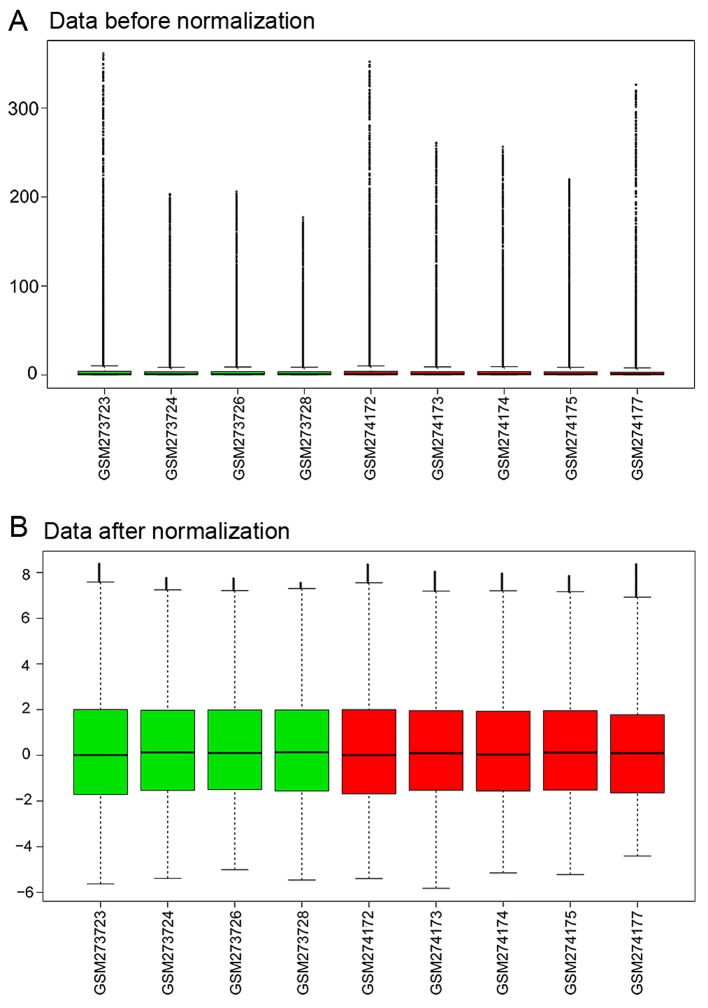
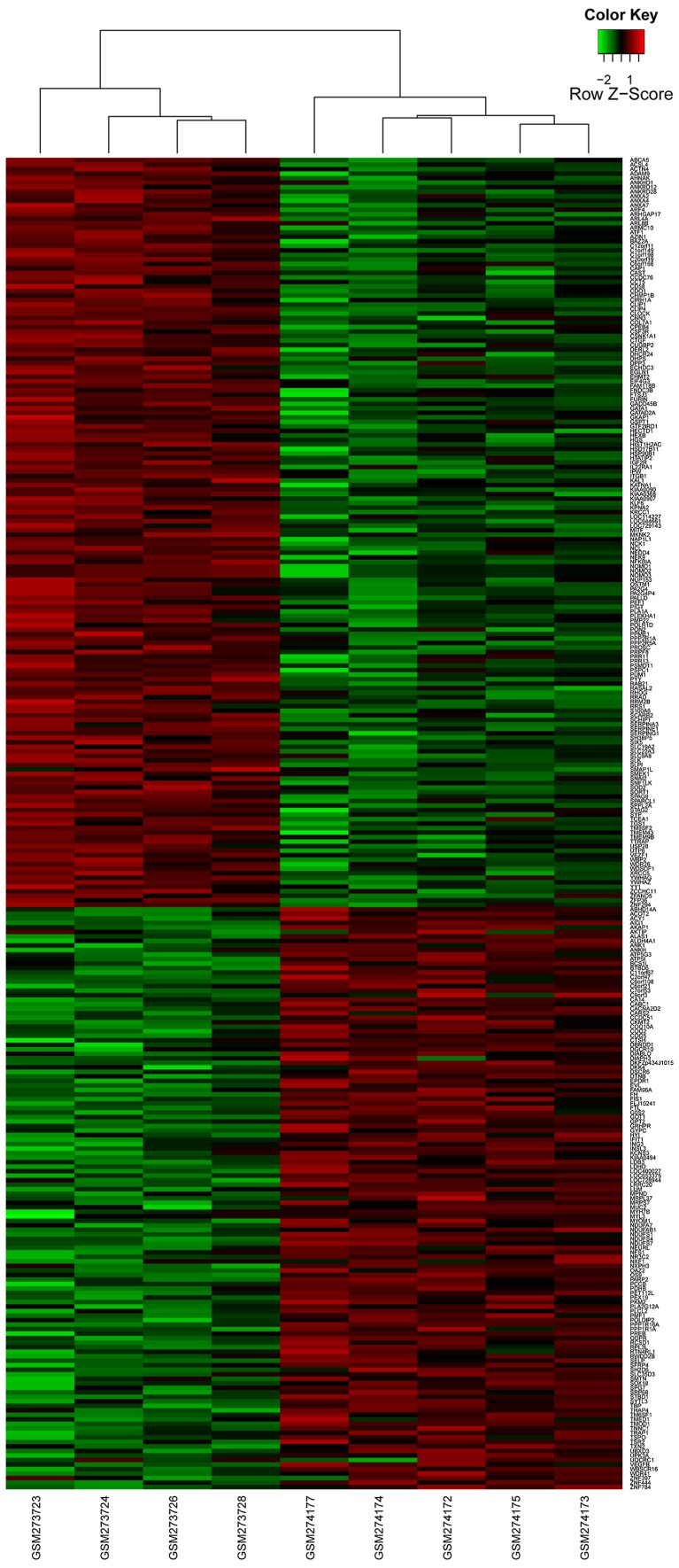
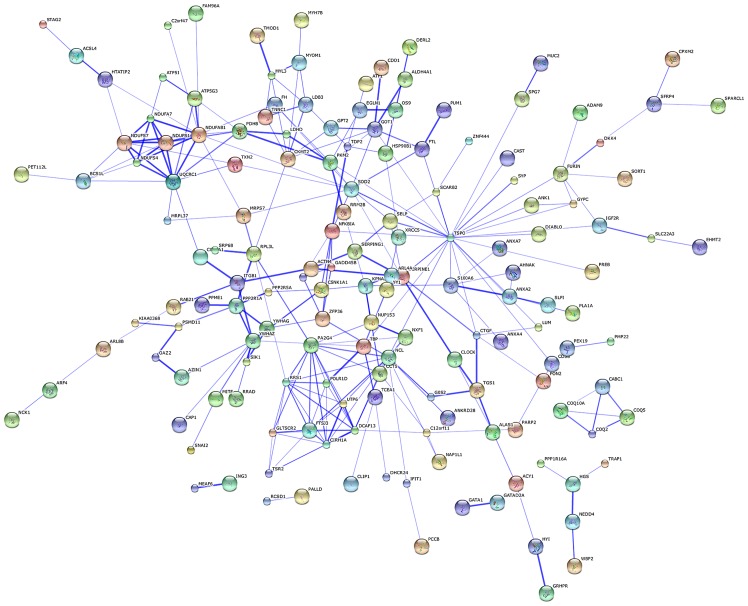
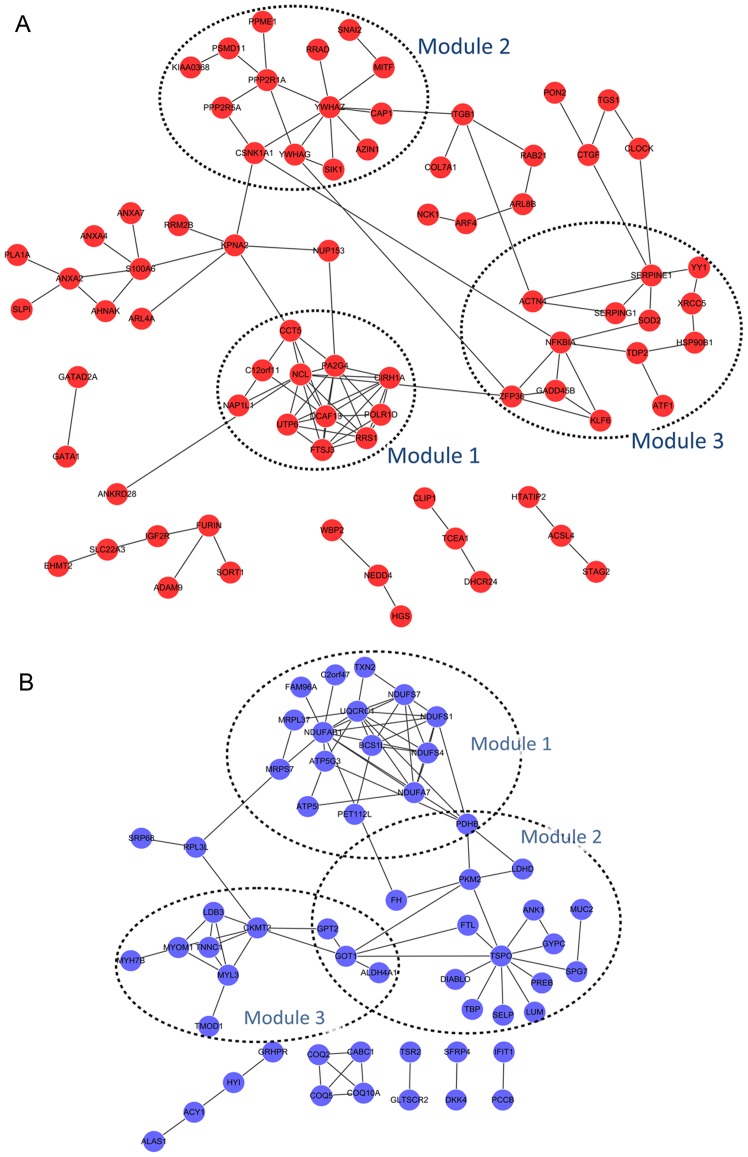
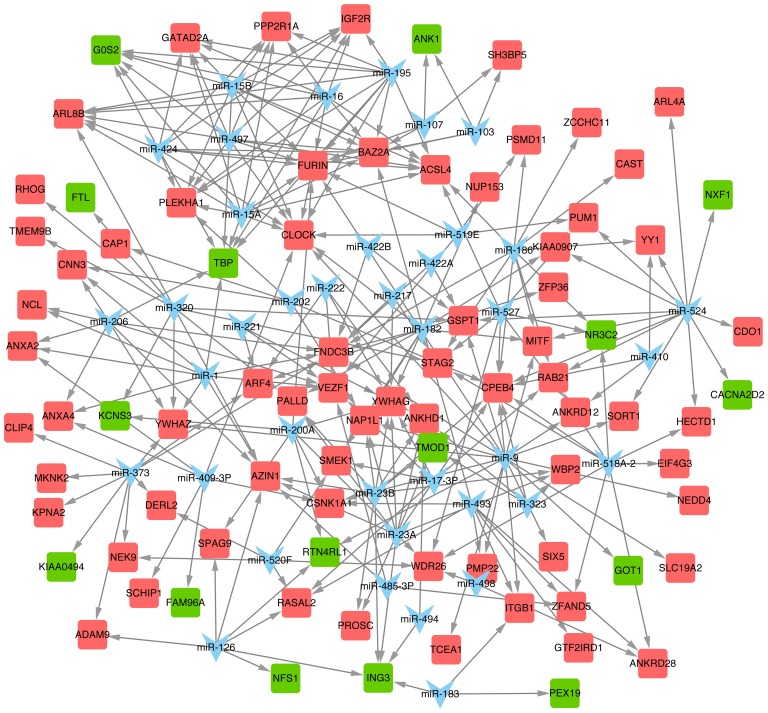
The present study aimed to identify genes and microRNAs (miRNAs or miRs) that were abnormally expressed in the vastus lateralis muscle of patients with acute exacerbations of chronic obstructive pulmonary disease (AECOPD). The gene expression profile of GSE10828 was downloaded from the Gene Expression Omnibus database, and this dataset was comprised of 4 samples from patients with AECOPD and 5 samples from patients with stable COPD. Differentially expressed genes (DEGs) were screened using the Limma package in R. A protein‑protein interaction (PPI) network of DEGs was built based on the STRING database. Module analysis of the PPI network was performed using the ClusterONE plugin and functional analysis of DEGs was conducted using DAVID. Additionally, key miRNAs were enriched using gene set enrichment analysis (GSEA) software and a miR-gene regulatory network was constructed using Cytoscape software. In total, 166 up- and 129 downregulated DEGs associated with muscle weakness in AECOPD were screened. Among them, NCL, GOT1, TMOD1, TSPO, SOD2, NCL and PA2G4 were observed in the modules consisting of upregulated or downregulated genes. The upregulated DEGs in modules (including KLF6 and XRCC5) were enriched in GO terms associated with immune system development, whereas the downregulated DEGs were enriched in GO terms associated with cell death and muscle contraction. Additionally, 39 key AECOPD‑related miRNAs were also predicted, including miR-1, miR-9 and miR-23a, miR-16 and miR-15a. In conclusion, DEGs (NCL, GOT1, SOD2, KLF6, XRCC5, TSPO and TMOD1) and miRNAs (such as miR-1, miR-9 and miR-23a) may be associated with the loss of muscle force in patients during an acute exacerbation of COPD which also may act as therapeutic targets in the treatment of AECOPD.
Figures
References
-
- Vestbo J, Hurd SS, Agustí AG, Jones PW, Vogelmeier C, Anzueto A, Barnes PJ, Fabbri LM, Martinez FJ, Nishimura M, et al. Global strategy for the diagnosis, management, and prevention of chronic obstructive pulmonary disease: GOLD executive summary. Am J Respir Crit Care Med. 2013;187:347–365. doi: 10.1164/rccm.201204-0596PP. - DOI - PubMed
-
- Uzun S, Djamin R, Hoogsteden H, Aerts J, van der Eerden M. Acute exacerbations of chronic obstructive pulmonary disease. In: Kayembe JM, editor. Oncogenesis, Inflammatory and Parasitic Tropical Diseases of the Lung. InTech; 2013. pp. 77–98. Chapter 4. http://dx.doi.org/10.5772/54867. - DOI
-
- Carrillo A, Ferrer M, Gonzalez-Diaz G, Lopez-Martinez A, Llamas N, Alcazar M, Capilla L, Torres A. Noninvasive ventilation in acute hypercapnic respiratory failure caused by obesity hypoventilation syndrome and chronic obstructive pulmonary disease. Am J Respir Crit Care Med. 2012;186:1279–1285. doi: 10.1164/rccm.201206-1101OC. - DOI - PubMed
-
- Lozano R, Naghavi M, Foreman K, Lim S, Shibuya K, Aboyans V, Abraham J, Adair T, Aggarwal R, Ahn SY, et al. Global and regional mortality from 235 causes of death for 20 age groups in 1990 and 2010: A systematic analysis for the Global Burden of Disease Study 2010. Lancet. 2012;380:2095–2128. doi: 10.1016/S0140-6736(12)61728-0. - DOI - PMC - PubMed
MeSH terms
Substances
LinkOut - more resources
Full Text Sources
Other Literature Sources
Medical
Research Materials
Miscellaneous