


Targeting glucose metabolism for healthy aging
- PMID: 28035340
- PMCID: PMC5166514
- DOI: 10.3233/NHA-160007
Targeting glucose metabolism for healthy aging
Abstract
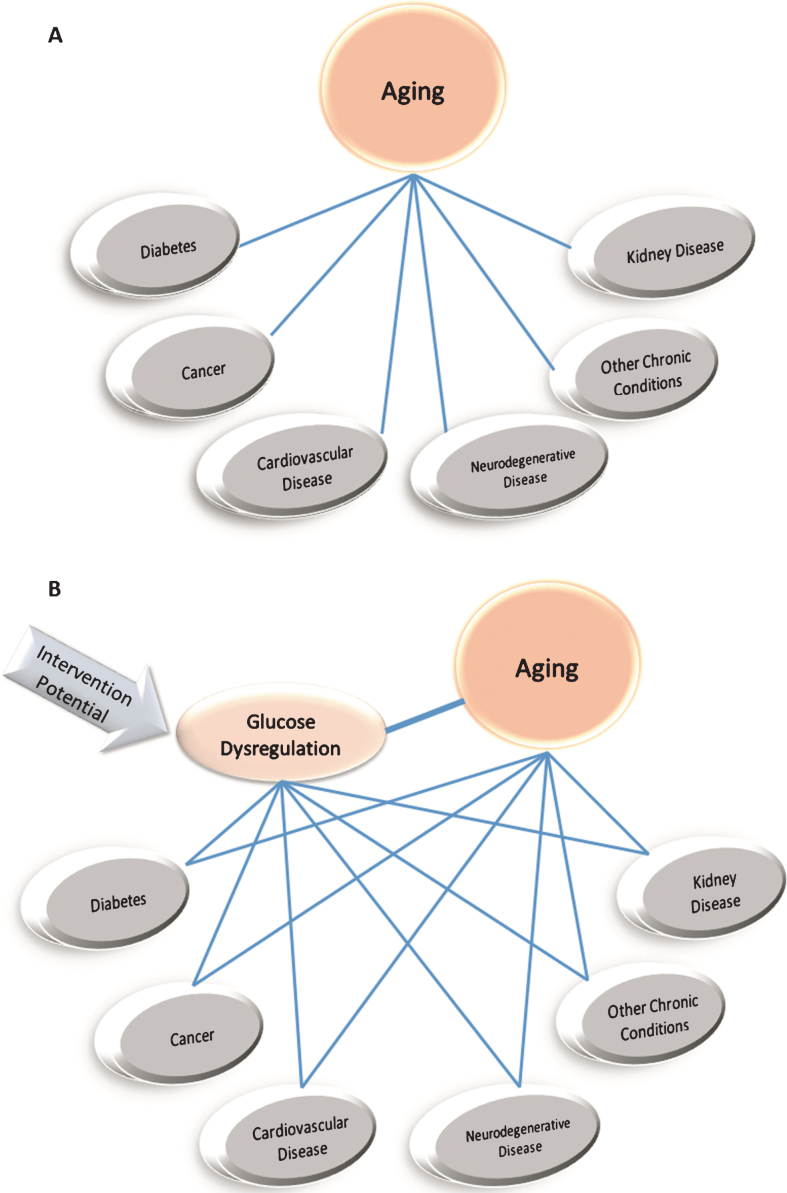
Advancing age is the greatest single risk factor for numerous chronic diseases. Thus, the ability to target the aging process can facilitate improved healthspan and potentially lifespan. Lack of adequate glucoregulatory control remains a recurrent theme accompanying aging and chronic disease, while numerous longevity interventions result in maintenance of glucoregulatory control. In this review, we propose targeting glucose metabolism to enhance regulatory control as a means to ameliorate the aging process. We highlight that calorie restriction improves glucoregulatory control and extends both lifespan and healthspan in model organisms, but we also indicate more practical interventions (i.e., calorie restriction mimetics) are desirable for clinical application in humans. Of the calorie restriction mimetics being investigated, we focus on the type 2 diabetes drug acarbose, an α-glucosidase inhibitor that when taken with a meal, results in reduced enzymatic degradation and absorption of glucose from complex carbohydrates. We discuss alternatives to acarbose that yield similar physiologic effects and describe dietary sources (e.g., sweet potatoes, legumes, and berries) of bioactive compounds with α-glucosidase inhibitory activity. We indicate future research should include exploration of how non-caloric compounds like α-glucosidase inhibitors modify macronutrient metabolism prior to disease onset, which may guide nutritional/lifestyle interventions to support health and reduce age-related disease risk.
Keywords: Glucose; aging; calorie restriction; diabetes; disease; glucosidase inhibitor; insulin.
Figures
References
-
- Kannel WB, McGee DL. Diabetes and cardiovascular risk factors: The Framingham study. Circulation. 1979;59(1):8–13. - PubMed
-
- Lindsay J, Laurin D, Verreault R, Hébert R, Helliwell B, Hill GB, McDowell I. Risk factors for Alzheimer’s disease: A prospective analysis from the Canadian Study of Health and Aging. Am J Epidemiol. 2002;156(5):445–53. - PubMed
-
- Doll R. The age distribution of cancer: Implications for models of carcinogenesis. J R Stat Soc Ser A. 1971;134(2):133.
-
- Wilson PWF, D’Agostino RB, Levy D, Belanger A, Silbershatz H, Kannel WB. Prediction of coronary heart disease using risk factor categories. Circulation. 1998;97(18):1837–47. - PubMed
Publication types
Grants and funding
LinkOut - more resources
Full Text Sources
Other Literature Sources