


Neural substrates of cue reactivity and craving in gambling disorder
- PMID: 28045460
- PMCID: PMC5545724
- DOI: 10.1038/tp.2016.256
Neural substrates of cue reactivity and craving in gambling disorder
Abstract
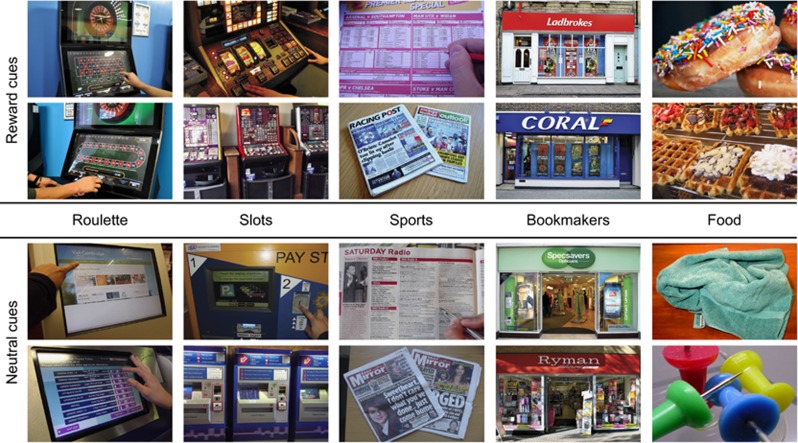
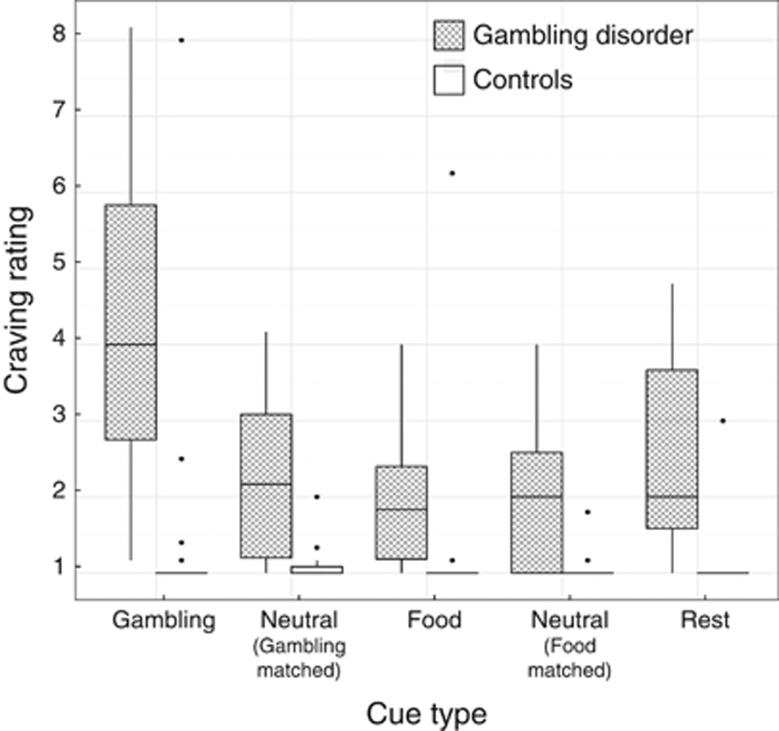
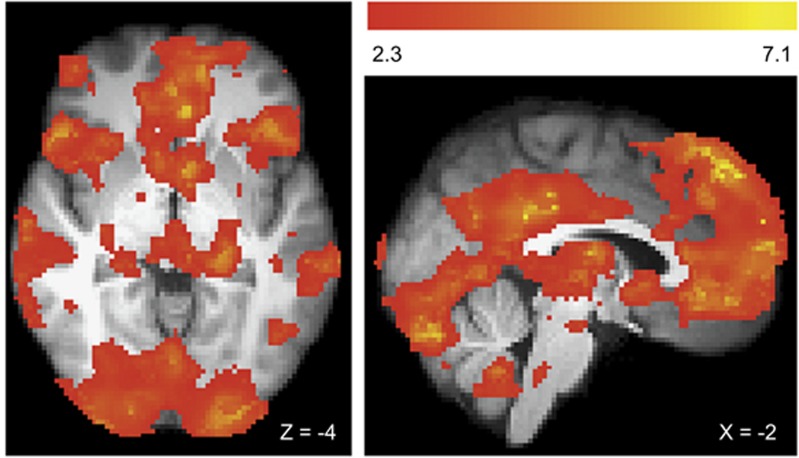
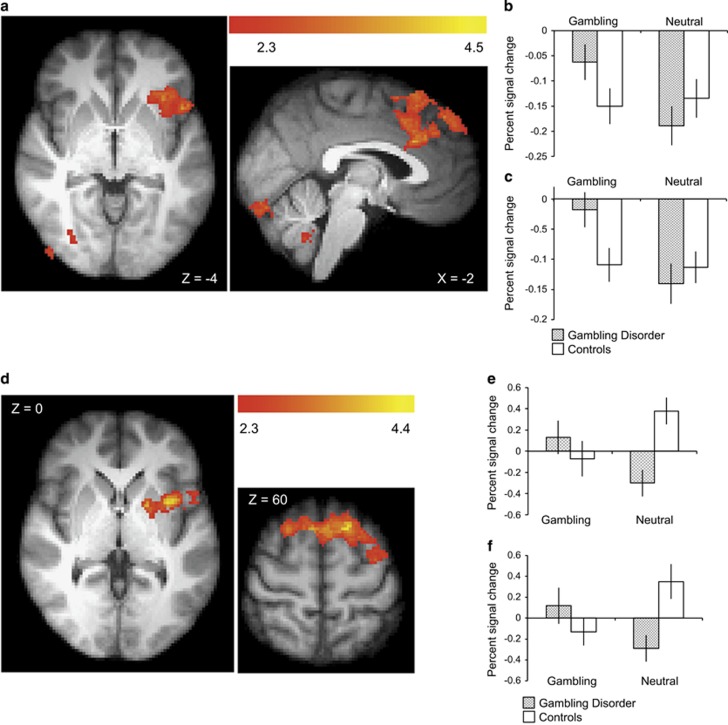
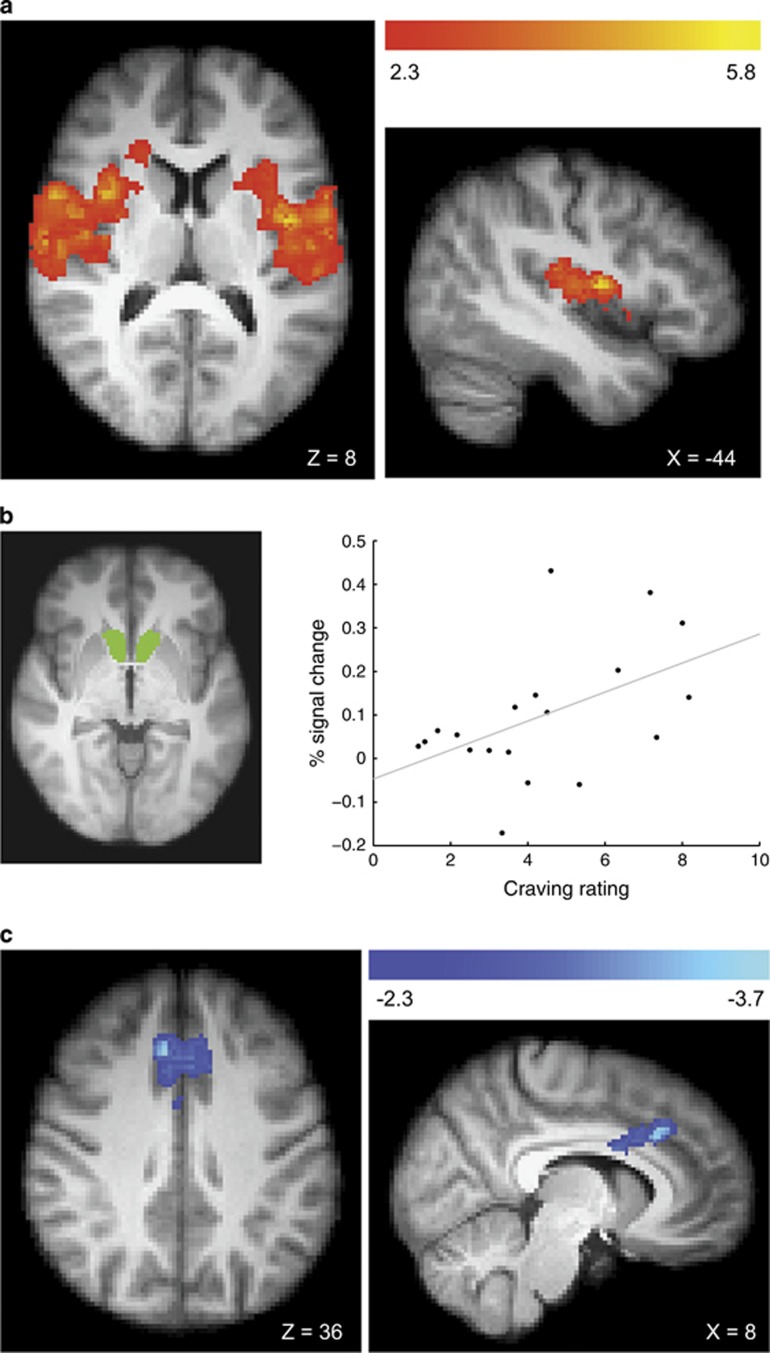
Cue reactivity is an established procedure in addictions research for examining the subjective experience and neural basis of craving. This experiment sought to quantify cue-related brain responses in gambling disorder using personally tailored cues in conjunction with subjective craving, as well as a comparison with appetitive non-gambling stimuli. Participants with gambling disorder (n=19) attending treatment and 19 controls viewed personally tailored blocks of gambling-related cues, as well as neutral cues and highly appetitive (food) images during a functional magnetic resonance imaging (fMRI) scan performed ~2-3 h after a usual meal. fMRI analysis examined cue-related brain activity, cue-related changes in connectivity and associations with block-by-block craving ratings. Craving ratings in the participants with gambling disorder increased following gambling cues compared with non-gambling cues. fMRI analysis revealed group differences in left insula and anterior cingulate cortex, with the gambling disorder group showing greater reactivity to the gambling cues, but no differences to the food cues. In participants with gambling disorder, craving to gamble correlated positively with gambling cue-related activity in the bilateral insula and ventral striatum, and negatively with functional connectivity between the ventral striatum and the medial prefrontal cortex. Gambling cues, but not food cues, elicit increased brain responses in reward-related circuitry in individuals with gambling disorder (compared with controls), providing support for the incentive sensitization theory of addiction. Activity in the insula co-varied with craving intensity, and may be a target for interventions.
Conflict of interest statement
The National Problem Gambling Clinic (HBJ) receives some of its funding from the Responsible Gambling Trust. The Centre for Gambling Research at UBC (LC, EHL-O) is funded by the Province of British Columbia and the British Columbia Lottery Corporation. AW has received honoraria from Bayer, Novartis and GSK, and has been a consultant for Bayer. PRAS has received a speaking honorarium from Indivior and research funding from Corcept. LC has provided consultancy work for Cambridge Cognition, and has received a speaker honorarium from Svenska Spel. AL-H has received research funding/support from Lundbeck, GSK and honoraria for talks from Lundbeck. DN is the Chair and Director of the Independent Scientific Committee on Drugs (UK), has acted as an advisor to Lundbeck, MSD, Nalpharm, Orexigen, Shire, MSD and Actelion, has received speaker honorariums from the same organizations and also BMS/Otsuka, GSK, Lilly, Janssen, Servier, AZ, Pfizer, and is a shareholder in P1vital, Equasy Enterprises and Chaperon. SPS is currently part funded via a grant from the Responsible Gambling Trust (20%). The remaining authors declare no conflict of interest.
Figures
References
-
- Sharpe L. A reformulated cognitive-behavioral model of problem gambling. A biopsychosocial perspective. Clin Psychol Rev 2002; 22: 1–25. - PubMed
-
- Oei TPS, Gordon LM. Psychosocial factors related to gambling abstinence and relapse in members of gamblers anonymous. J Gambl Stud 2008; 24: 91–105. - PubMed
-
- Smith D, Harvey P, Battersby M, Pols R, Oakes J, Baigent M. Treatment outcomes and predictors of drop out for problem gamblers in South Australia: a cohort study. Aust N Z J Psychiatry 2010; 44: 911–920. - PubMed
-
- Robinson TE, Berridge KC. Incentive-sensitization and addiction. Addiction 2001; 96: 103–114. - PubMed
Publication types
MeSH terms
Grants and funding
LinkOut - more resources
Full Text Sources
Other Literature Sources
Medical
