


Biochemical characterization, anti-inflammatory properties and ulcerogenic traits of some cold-pressed oils in experimental animals
- PMID: 28056572
- PMCID: PMC6130677
- DOI: 10.1080/13880209.2016.1275705
Biochemical characterization, anti-inflammatory properties and ulcerogenic traits of some cold-pressed oils in experimental animals
Abstract
Context: Cold-pressed oils (CPO) are commercially available in the market and characterized by their health-promoting properties.
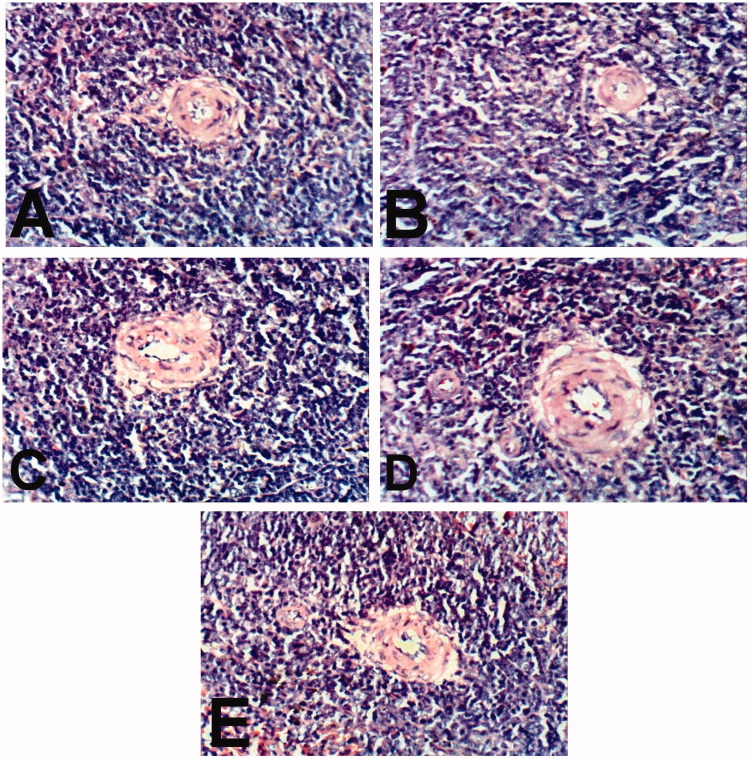
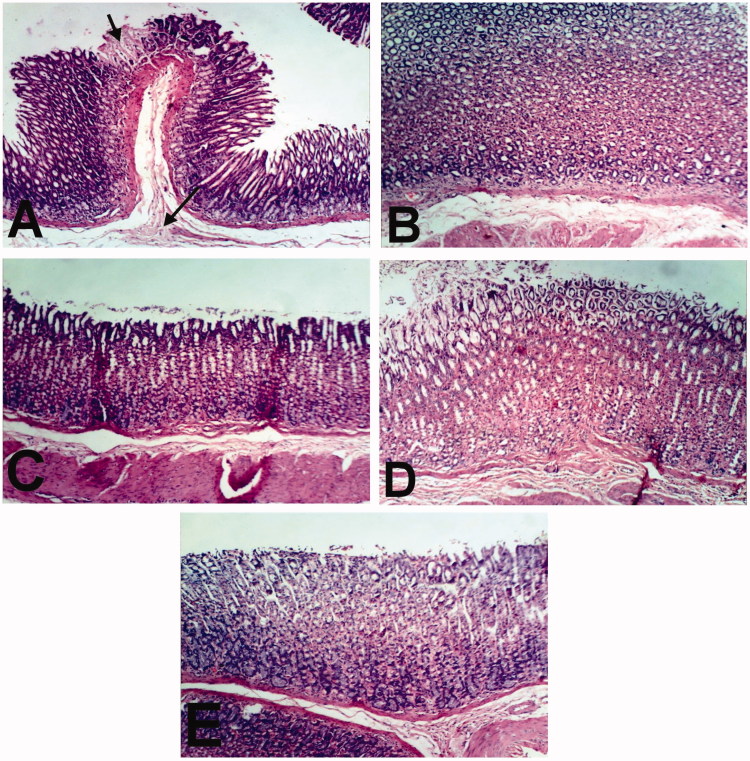
Objective: Clove oil (CLO), coriander seed oil (COO) and black cumin oil (BCO) were evaluated for their bioactive lipids. Pharmacological screening was performed to evaluate acute toxicity, anti-inflammatory and ulcerogenic effects as well as histopathological changes in tissues of albino rats fed with CPO.
Materials and methods: Fatty acids, tocols and total phenolics were analyzed. The acute toxicity test for each CPO was estimated during 14 d. Carrageenan-induced rat paw oedema was used for assessment of anti-inflammatory activity of CPO. Animals were fasted overnight, and via oral gavage given indomethacin (10 mg/kg) or CPO (400 mg/kg) to investigate ulcerogenecity. Histopathological changes in liver, kidney, heart, spleen and stomach were screened.
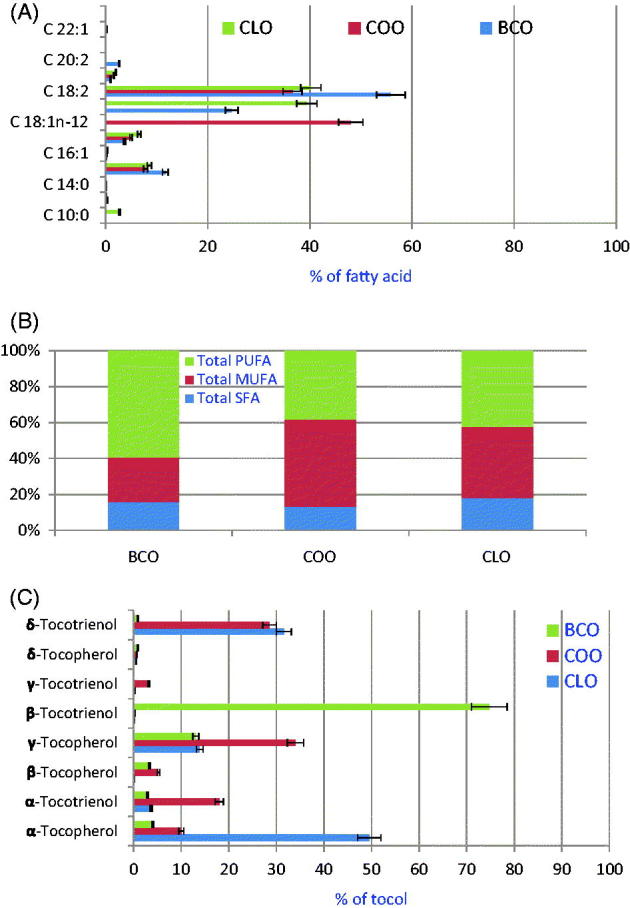
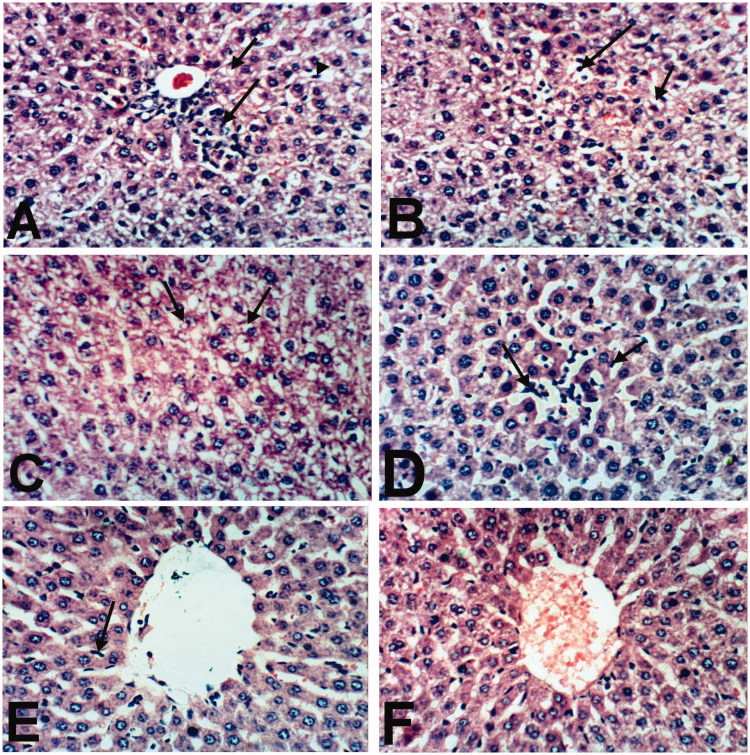
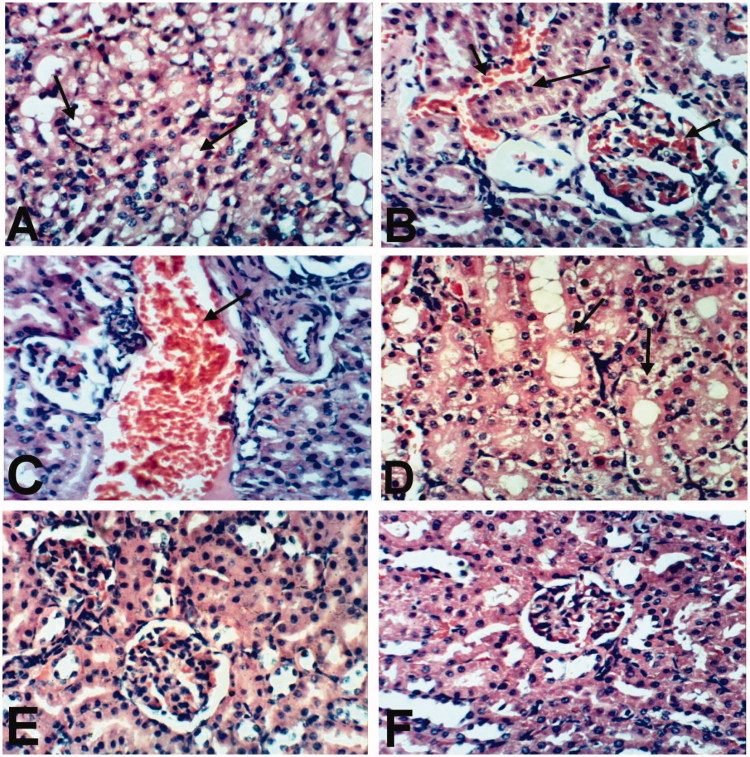
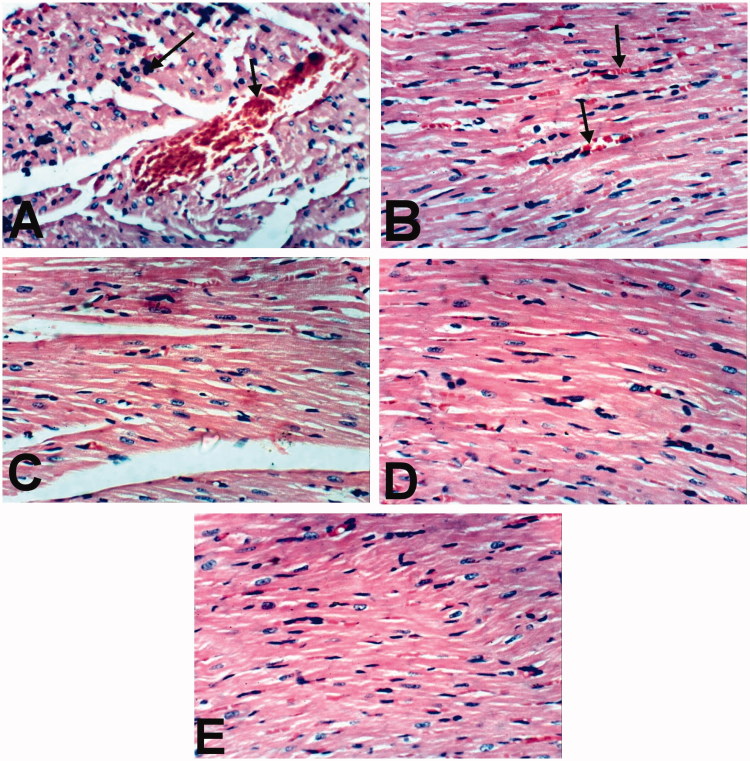
Results: Amounts of α-, β-, γ- and δ-tocopherols in CLO were 1495, 58, 4177 and 177 mg/kg oil, respectively. In COO, α, β, γ and δ-tocopherols were 10.0, 18.2, 5.1 and 34.8%, respectively. In BCO, β-tocotrienol was the main constituent. CLO, COO and BCO contained 4.6, 4.2 and 3.6 mg GAE/g, respectively. Acute toxicity test determined that 400 mg/kg of CPO to be used. In the carrageenan model of inflammation, pretreatment of rats with indomethacin (10 mg/kg) or CLO (400 mg/kg) induced a significant (p < 0.05) reduction by 31.3 and 27.4%, respectively, in rat paw oedema as compared with the carrageenan-treated group. Indomethacin induced a significant ulcerogenic effect with an ulcer index of 19. Oral treatment of CPO showed no ulcerogenic effect, wherein no histopathological changes were observed.
Conclusions: CPO, particularly CLO, could minimize acute inflammation.
Keywords: Coriandrum sativum; LD50; Nigella sativa; Syzygium aromaticum; paw oedema; ulcer index.
Figures
References
-
- Arens M, Schulte E, Weber K.. 1994. Fettsäuremethylester, Umesterung mit trimethylsulfoniumhydroxid (Schnellverfahren). Fat Sci Technol 96:67–68.
-
- Bajpai M, Mishra A, Prakash D.. 2005. Antioxidant and free radical scavenging activities of some leafy vegetables. Inter J Food Sci Nutr 56:73–81. - PubMed
-
- Calder PC.2008. Polyunsaturated fatty acids, inflammatory processes and inflammatory bowel diseases. Mol Nutr Food Res 52:885–897. - PubMed
-
- Cárdeno A, Sánchez-Hidalgo M, Alarcón-de-la-Lastra C.. 2013. An up-date of olive oil phenols in inflammation and cancer: molecular mechanisms and clinical implications. Curr Med Chem 20:4758–4776. - PubMed
MeSH terms
Substances
LinkOut - more resources
Full Text Sources
Other Literature Sources
