


Review
doi: 10.1007/s00268-016-3865-7.
Strategies for Intravenous Fluid Resuscitation in Trauma Patients
Affiliations
- PMID: 28058475
- PMCID: PMC5394148
- DOI: 10.1007/s00268-016-3865-7
Item in Clipboard
Review
Strategies for Intravenous Fluid Resuscitation in Trauma Patients
World J Surg.
2017 May.
Abstract
Intravenous fluid management of trauma patients is fraught with complex decisions that are often complicated by coagulopathy and blood loss. This review discusses the fluid management in trauma patients from the perspective of the developing world. In addition, the article describes an approach to specific circumstances in trauma fluid decision-making and provides recommendations for the resource-limited environment.
Conflict of interest statement
Robert Wise and Michael Faurie declare that they have no competing interests. Manu LNG Malbrain is member of the executive committee of the International Fluid Academy (IFA). Eric Hodgson is a paid speaker and advisory board member for Fresenius-Kabi.
Figures

Flow diagram of initial fluid resuscitation of trauma patients
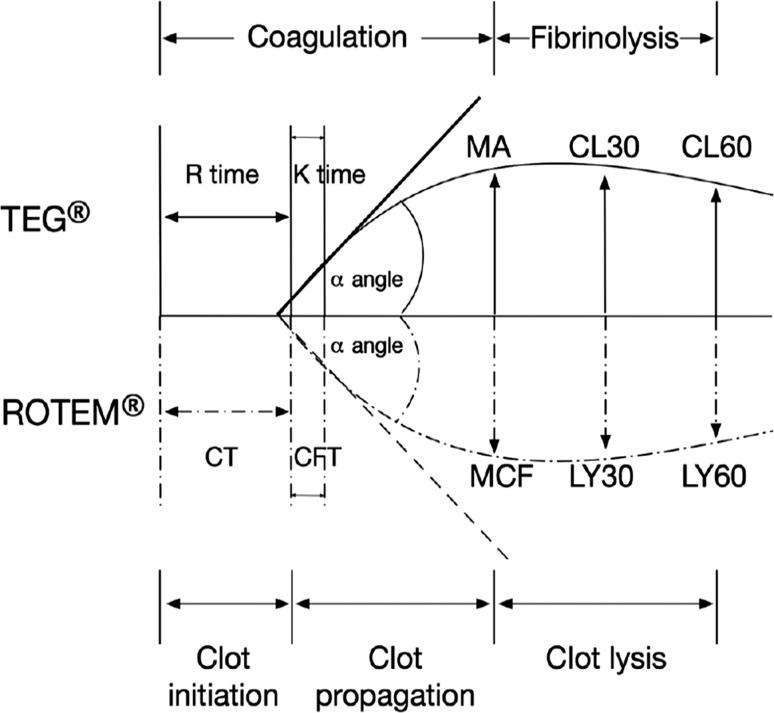
Thromboelastometry—differences in measurement between ROTEM and thromboelastography [42]
References
Publication types
MeSH terms
LinkOut - more resources
Full Text Sources
Other Literature Sources
Medical
