


A Multidisciplinary Model of Dementia Care in an Underserved Retirement Community, Made Possible by Telemedicine
- PMID: 28066313
- PMCID: PMC5179531
- DOI: 10.3389/fneur.2016.00225
A Multidisciplinary Model of Dementia Care in an Underserved Retirement Community, Made Possible by Telemedicine
Abstract
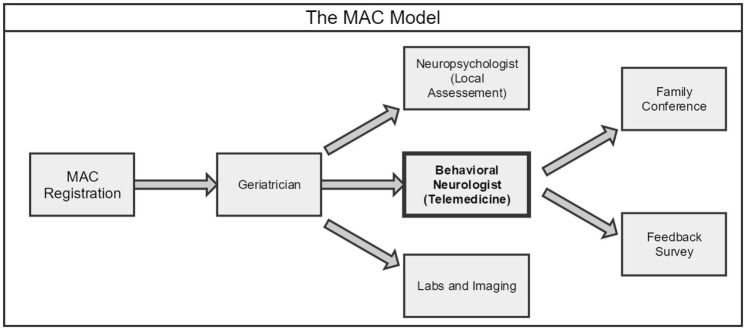
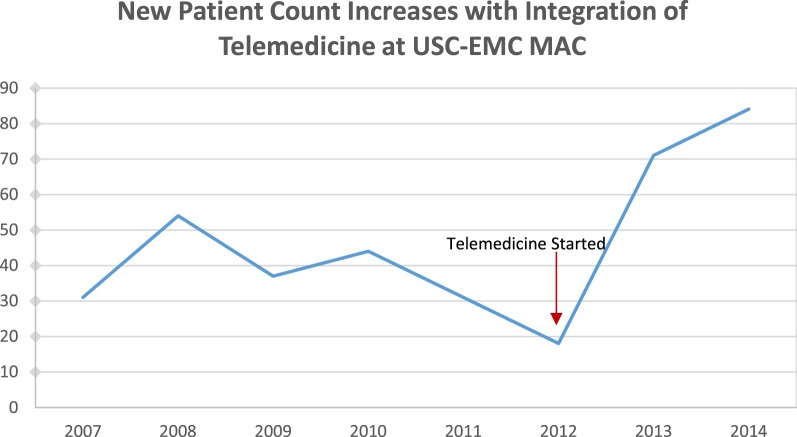
The need for memory specialists is increasing as the incidence of dementia rapidly rises across the globe. In rural areas, demand for these specialists far outstrips supply. It is increasingly difficulty for patients to receive care in a timely manner. In this paper, we document our experience using videoconference telemedicine to bring a multidisciplinary model of care to a rural retirement community in Southern California. To our knowledge, we are one of the first to integrate telemedicine into dementia care on this large a scale. Given the relatively remote location, patients and neurologists have previously had to travel great distances and bear with long wait times. With neurological consultation by telemedicine and a local team consisting of a geriatrician, a neuropsychologist, and a case manager, we have been able to provide comprehensive dementia care in this underserved area, comparable to university-affiliated California Alzheimer's Disease Centers, typically found only in major metropolitan areas. We have shown that telemedicine can be very effective in improving access and quality of dementia care.
Keywords: Alzheimer’s; dementia; remote assessment; telemedicine; teleneurology.
Figures
References
-
- Field MJ. Telemedicine: A Guide to Assessing Telecommunications in Health Care. Institute of Medicine (US) Committee on Evaluating Clinical Applications of Telemedicine. Washington, DC: National Academies Press (US) (1996). - PubMed
Grants and funding
LinkOut - more resources
Full Text Sources
Other Literature Sources
Medical
