


The ageing genome, clonal mosaicism and chronic disease
- PMID: 28068559
- PMCID: PMC5446794
- DOI: 10.1016/j.gde.2016.12.002
The ageing genome, clonal mosaicism and chronic disease
Abstract
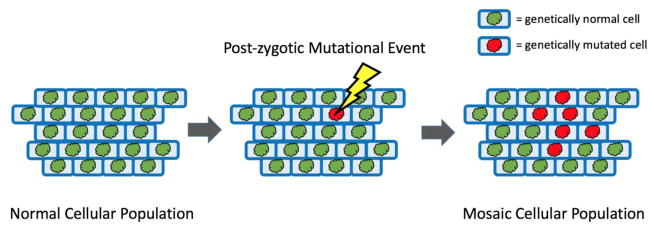
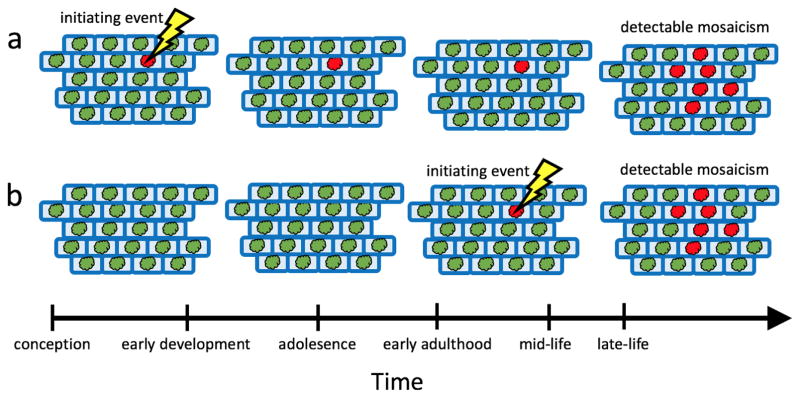
Clonal mosaicism arises when a postzygotic mutational event is detectable in subpopulations of cells as an alternative genotype while not present in the germline genome. Although described in a subset of pediatric disorders, new genomic technologies have detected higher than anticipated frequencies of clonal mosaicism in adult population studies, stimulating investigation as to how clonal mosaicism could contribute to chronic human diseases, such as cancer, diabetes and neurodegenerative disorders. It has also been postulated to be an important mechanism for functional cellular diversity, including the brain. Early studies have characterized the spectrum of detectable mosaic alterations and have begun to investigate whether detectable mosaicism could be important as an overall biomarker for risk or in the case of hematologic cancers, identification of preleukemic clones.
Published by Elsevier Ltd.
Figures
References
-
- Strachan T, Read AP, Strachan T. Human molecular genetics. 4. New York: Garland Science; 2011.
-
- Veltman JA, Brunner HG. De novo mutations in human genetic disease. Nat Rev Genet. 2012;13:565–575. - PubMed
Publication types
MeSH terms
Grants and funding
LinkOut - more resources
Full Text Sources
Other Literature Sources
Medical
