


Enhanced Bulbar Function in Amyotrophic Lateral Sclerosis: The Nuedexta Treatment Trial
- PMID: 28070747
- PMCID: PMC5509619
- DOI: 10.1007/s13311-016-0508-5
Enhanced Bulbar Function in Amyotrophic Lateral Sclerosis: The Nuedexta Treatment Trial
Erratum in
-
Erratum to: Enhanced Bulbar Function in Amyotrophic Lateral Sclerosis: The Nuedexta Treatment Trial.Neurotherapeutics. 2017 Jul;14(3):830. doi: 10.1007/s13311-017-0517-z. Neurotherapeutics. 2017. PMID: 28283968 Free PMC article. No abstract available.
Abstract
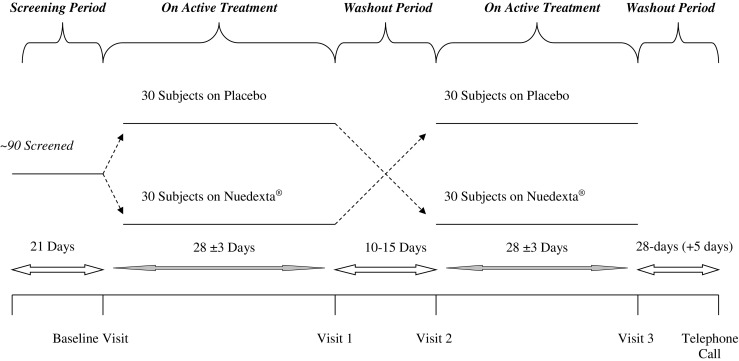
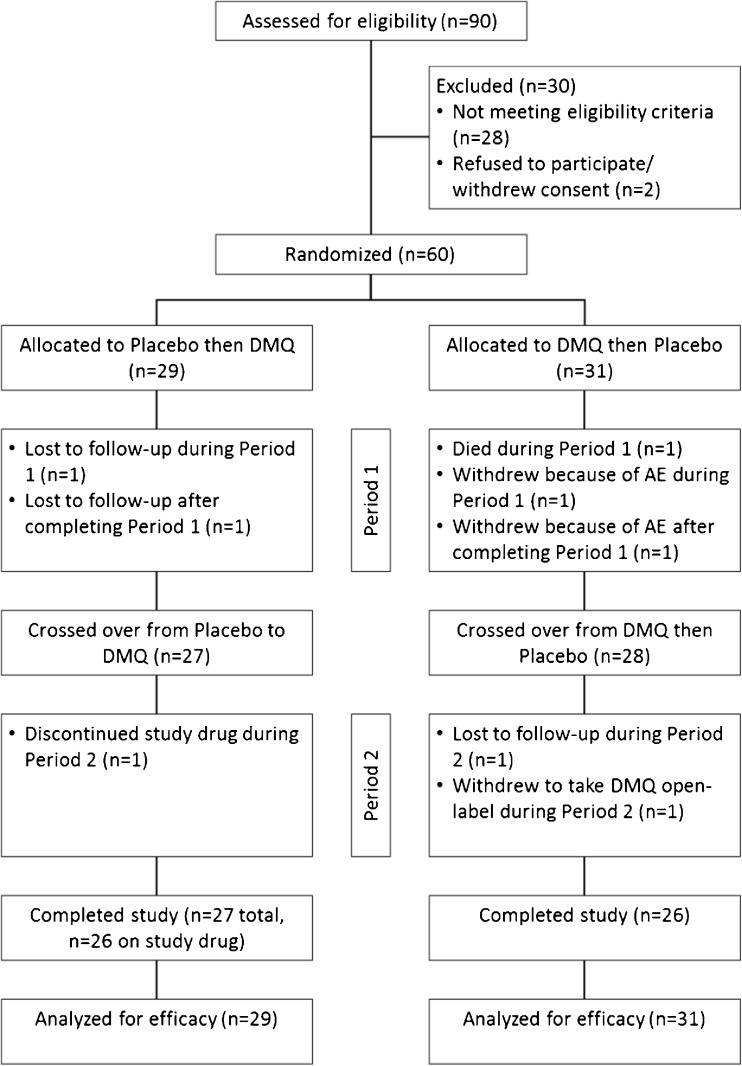
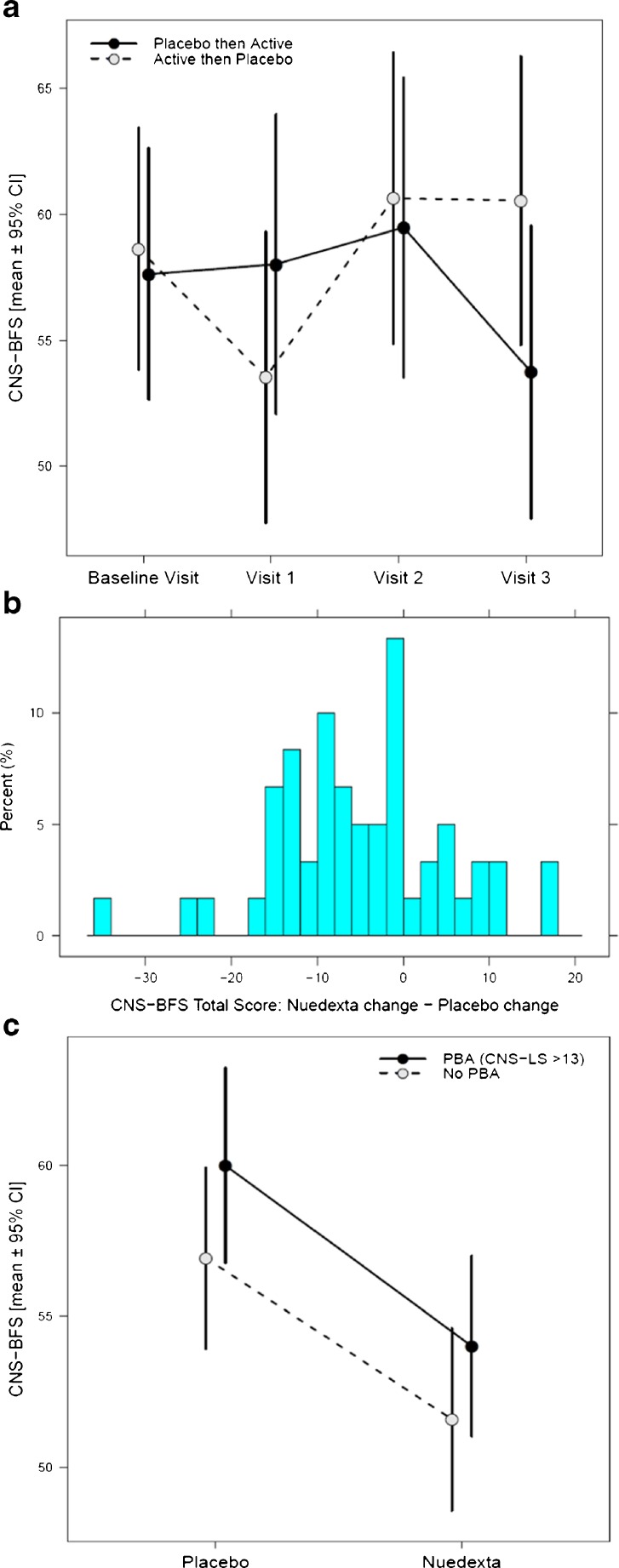
The goal of this randomized, blinded, crossover clinical trial was to determine whether Nuedexta (dextromethorphan and quinidine) enhanced speech, swallowing, and salivation in patients with ALS. Sixty patients with amyotrophic lateral sclerosis (ALS) received either Nuedexta or placebo for 28 to 30 days, followed by a 10 to 15-day washout period. Subsequently, patients were switched to the opposite treatment arm for the remaining days of the trial. The primary endpoint was a reduction in the self-report Center for Neurologic Study Bulbar Function Scale (CNS-BFS) score. The rater-administered ALS Functional Rating Scale Revised was the principal secondary endpoint. The CNS-BFS score improved with active treatment, decreasing from a mean of 59.3 in the placebo arm of the trial to 53.5 during the drug-treatment arm (p < 0.001). Each of the individual domains of bulbar function interrogated by the CNS-BFS responded to treatment with Nuedexta as follows: salivation: 15.8 versus 14.3 (p = 0.004); speech: 24.6 versus 22.2 (p = 0.003); swallowing: 18.9 versus 17.1 (p = 0.009). Similarly, the bulbar component of the ALS Functional Rating Scale Revised improved with active treatment (p = 0.003), although the drug did not affect the motor and respiratory components of this scale. This study is unique for several reasons. Firstly, it was driven by patient reports of improved speech and swallowing while taking Nuedexta for control of emotional lability. Secondly, the study was conducted over a short duration (70 days), and thirdly, a self-report scale was selected as the principle outcome measure. Considering the importance of bulbar functions, these results, if confirmed, point to an additional use of Nuedexta as an adjunct to the management of ALS.
Keywords: Amyotrophic lateral sclerosis; Nuedexta; bulbar function; clinical trial; dextromethorphan; self-report scale.
Figures
References
-
- Stambler N, Charatan M, Cedarbaum JM. Prognostic indicators of survival in ALS. ALS CNTF Treatment Study Group. Neurology 1998;50:66–72. - PubMed
Publication types
MeSH terms
Substances
LinkOut - more resources
Full Text Sources
Other Literature Sources
Medical
Miscellaneous
