


Experiences and Preferences for End-of-Life Care for Young Adults with Cancer and Their Informal Carers: A Narrative Synthesis
- PMID: 28075655
- PMCID: PMC5467142
- DOI: 10.1089/jayao.2016.0055
Experiences and Preferences for End-of-Life Care for Young Adults with Cancer and Their Informal Carers: A Narrative Synthesis
Abstract
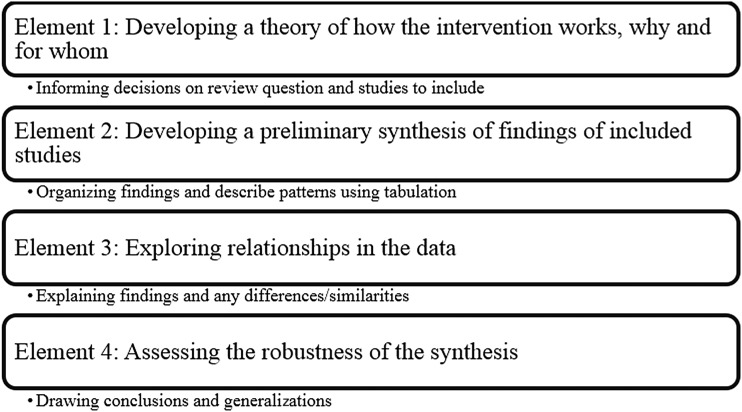
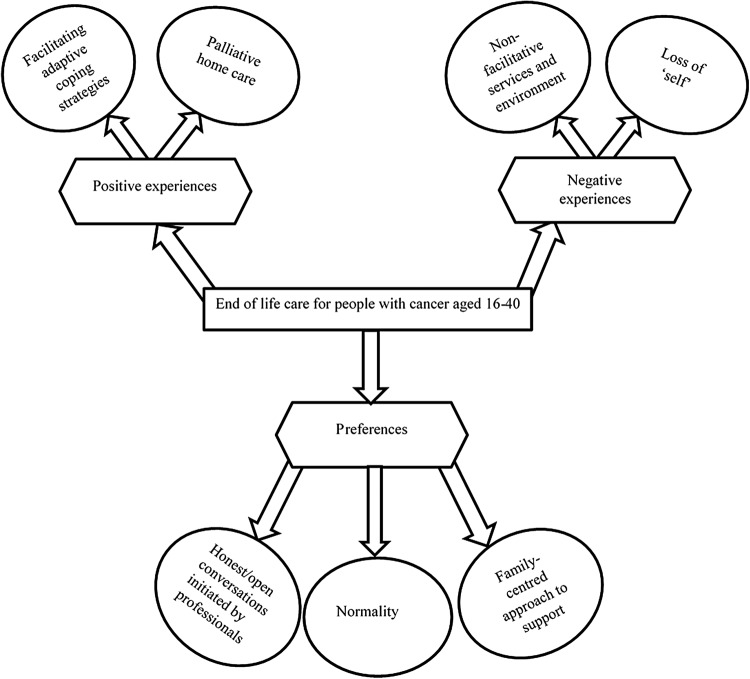
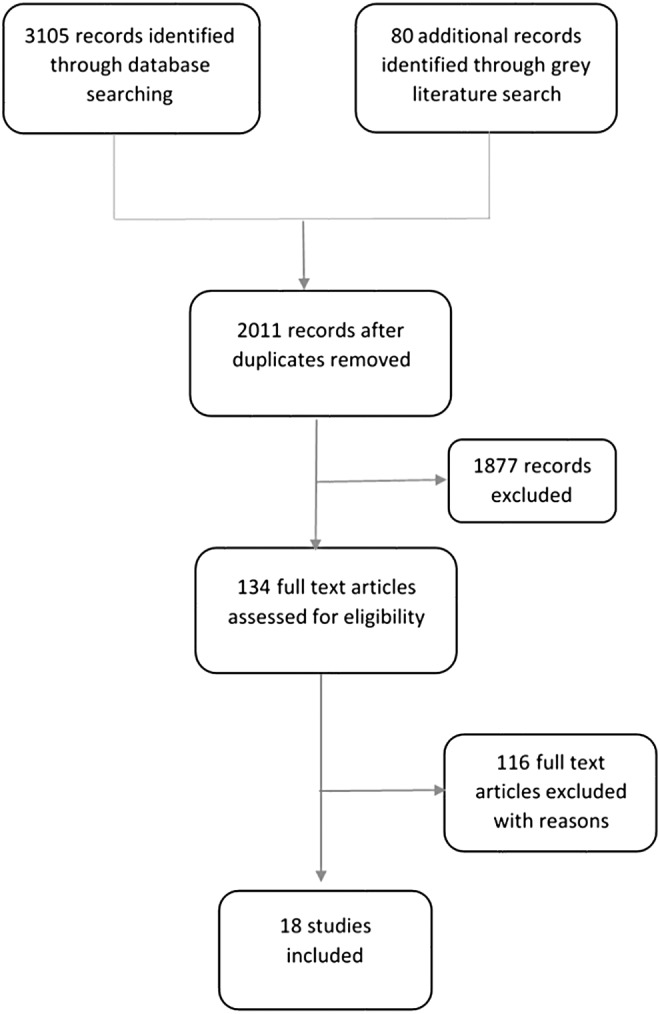
To review the qualitative literature on experiences of and preferences for end-of-life care of people with cancer aged 16-40 years (young adults) and their informal carers. A systematic review using narrative synthesis of qualitative studies using the 2006 UK Economic and Social Research Council research methods program guidance. Seven electronic bibliographic databases, two clinical trials databases, and three relevant theses databases were searched from January 2004 to October 2015. Eighteen articles were included from twelve countries. The selected studies included at least 5% of their patient sample within the age range 16-40 years. The studies were heterogeneous in their aims, focus, and sample, but described different aspects of end-of-life care for people with cancer. Positive experiences included facilitating adaptive coping and receiving palliative home care, while negative experiences were loss of "self" and nonfacilitative services and environment. Preferences included a family-centered approach to care, honest conversations about end of life, and facilitating normality. There is little evidence focused on the end-of-life needs of young adults. Analysis of reports including some young adults does not explore experience or preferences by age; therefore, it is difficult to identify age-specific issues clearly. From this review, we suggest that supportive interventions and education are needed to facilitate open and honest communication at an appropriate level with young people. Future research should focus on age-specific evidence about the end-of-life experiences and preferences for young adults with cancer and their informal carers.
Keywords: end-of-life care; narrative synthesis; palliative care; qualitative; systematic review.
Conflict of interest statement
No competing financial interests exist for any of the authors.
Figures
References
-
- Office for National Statistics (ONS). What are the top causes of death by age and gender?; 2015. Accessed October2016 from: http://visual.ons.gov.uk/what-are-the-top-causes-of-death-by-age-and-gen...
-
- Centers for disease control and prevention, Injury Prevention & Control: Data & Statistics (WISQARSTM); 2014. Accessed October2016 from: www.cdc.gov/injury/wisqars/leadingcauses.html
-
- Barr RD. Adolescents, young adults, and cancer—the international challenge. Cancer. 2011;117(10):2245–9 - PubMed
-
- Whelan J, Fern L. Cancer in adolescence: incidence and policy issues. In: Kelly D, Gibson F. (Eds). Cancer Care for Adolescents and Young Adults. Oxford: Blackwell; 2008
-
- Teenage Cancer Trust A Blueprint of care for Teenagers and Young Adults with cancer; 2002. Accessed January5, 2016 from: www.teenagecancertrust.org/sites/default/files/Blueprint-of-Care.pdf
Publication types
MeSH terms
Grants and funding
LinkOut - more resources
Full Text Sources
Other Literature Sources
Medical
