


Chemical diversity and pharmacological significance of the secondary metabolites of nutmeg (Myristica fragrans Houtt.)
- PMID: 28082856
- PMCID: PMC5222521
- DOI: 10.1007/s11101-016-9469-x
Chemical diversity and pharmacological significance of the secondary metabolites of nutmeg (Myristica fragrans Houtt.)
Abstract
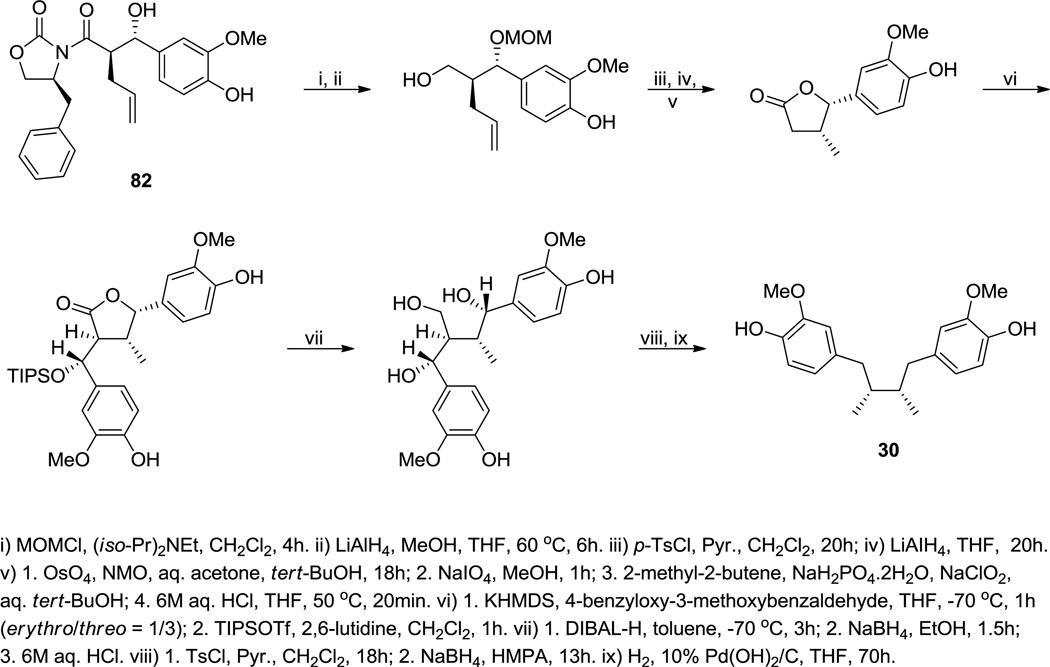
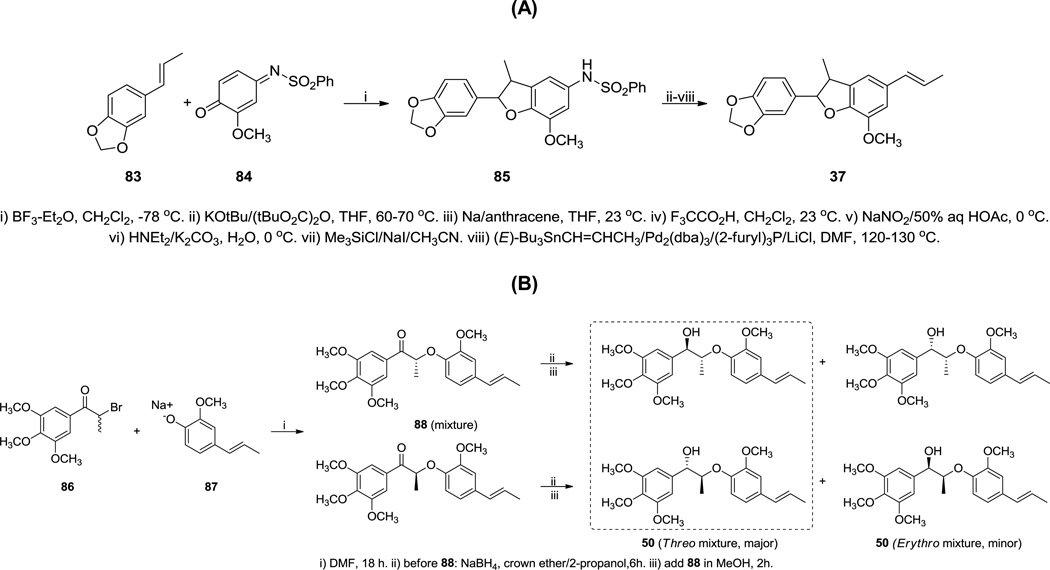
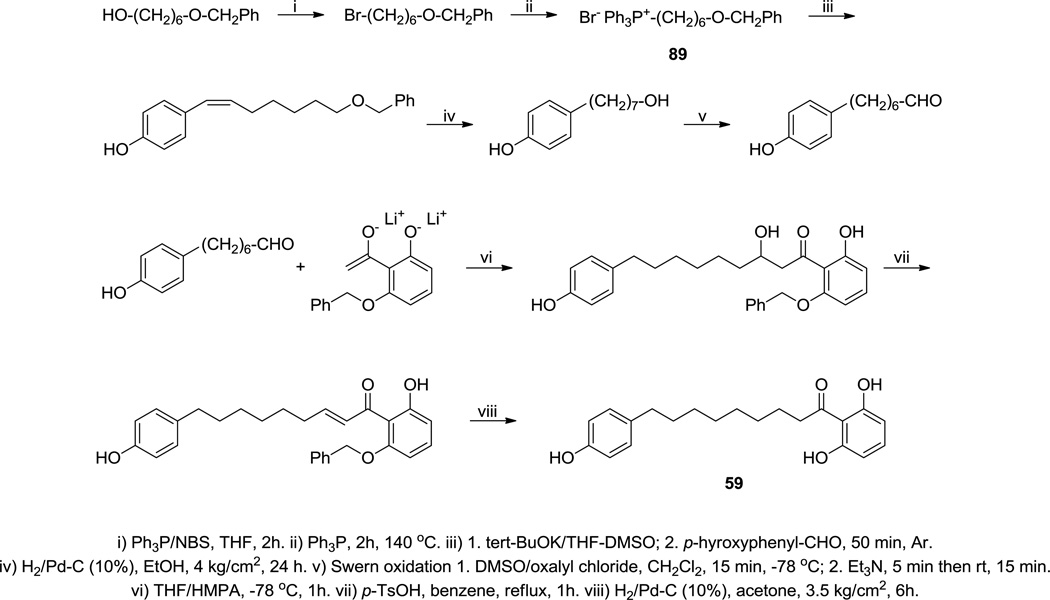
Nutmeg is a valued kitchen spice that has been used for centuries all over the world. In addition to its use in flavoring foods and beverages, nutmeg has been used in traditional remedies for stomach and kidney disorders. The antioxidant, antimicrobial and central nervous system effects of nutmeg have also been reported in literature. Nutmeg is a rich source of fixed and essential oil, triterpenes, and various types of phenolic compounds. Many of the secondary metabolites of nutmeg exhibit biological activities that may support its use in traditional medicine. This article provides an overview of the chemistry of secondary metabolites isolated from nutmeg kernel and mace including common methods for analysis of extracts and pure compounds as well as recent approaches towards total synthesis of some of the major constituents. A summary of the most significant pharmacological investigations of potential drug leads isolated from nutmeg and reported in the last decade is also included.
Keywords: Biological evaluation; Chromatographic analysis; Diarylalkanes; Lignans/neolignans; Nutmeg; Phenylpropanoids; Terpenes.
Conflict of interest statement
The authors state no conflict of interest and have received no payment for the preparation of this manuscript.
Figures

References
-
- Abourashed EA, Khan IA. Nutmeg. In: Khan IA, Abourashed EA, editors. Leung's Encyclopedia of Common Natural Ingredients Used in Food, Drugs and Cosmetics. 3rd. Hoboken, NJ: Wiley; 2010. pp. 467–470.
-
- Aiba CJ, Gottlieb OR, Pagliosa FM, Yoshida M, Magalhaes MT. Neolignans from Nectandra miranda. Phytochemsitry. 1977;16:745–748.
-
- Antonio RL, Kozasa EH, Galduroz JC, Dawa, Dorjee Y, Kalsang T, Norbu T, Tenzin T, Rodrigues E. Formulas used by Tibetan doctors at Men-Tsee-Khang in India for the treatment of neuropsychiatric disorders and their correlation with pharmacological data. Phytother Res. 2013;27:552–563. - PubMed
-
- Asgarpanah J, Kazemivash N. Phytochemistry and pharmacologic properties of Myristica fragrans Houtt.: A review. Afr J Biotechnol. 2012;11:12787–12793.
Grants and funding
LinkOut - more resources
Full Text Sources
Other Literature Sources