


eCollection 2013 Summer.
Workplace Wellness Programs Study: Final Report
- PMID: 28083294
- PMCID: PMC4945172
Item in Clipboard
Workplace Wellness Programs Study: Final Report
Rand Health Q.
.
Abstract
This article investigates the characteristics of workplace wellness programs, their prevalence, their impact on employee health and medical cost, facilitators of their success, and the role of incentives in such programs. The authors employ four data collection and analysis streams: a review of the scientific and trade literature, a national survey of employers, a longitudinal analysis of medical claims and wellness program data from a sample of employers, and five case studies of existing wellness programs in a diverse set of employers to gauge the effectiveness of wellness programs and employees' and employers' experiences.
Figures
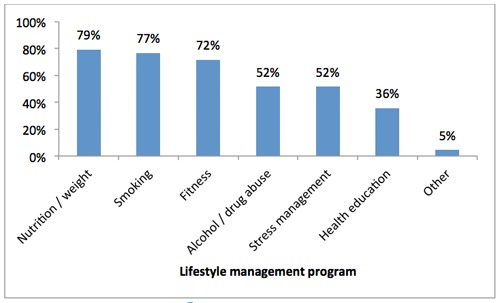
Among Employers Offering a Lifestyle Management Program, Percentage Offering Specific Interventions
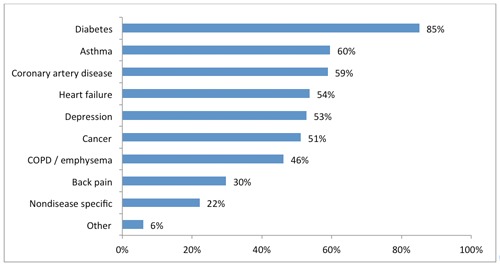
Among Employers Offering a Disease Management Program, Percentage Offering Programs for Specific Chronic Conditions
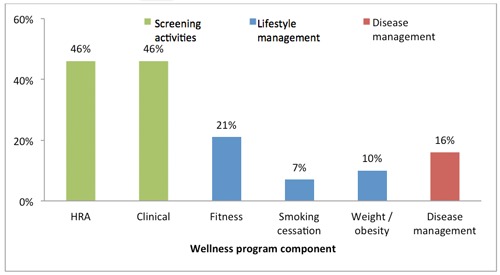
Average Participation Rates of Employees Identified for Inclusion in Select Wellness Program Components
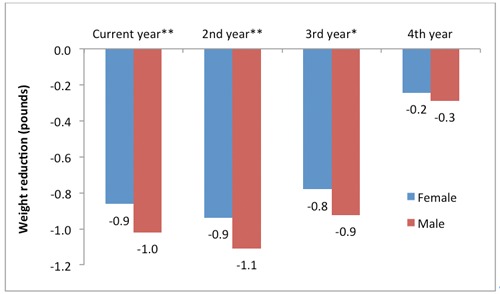
Effect of One-Year Participation in a Weight Control Program on Body Weight in an Average Person
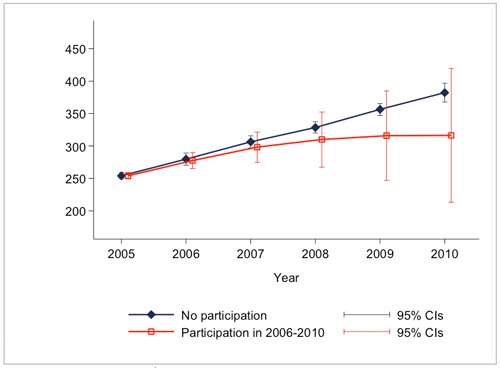
Estimated Cumulative Effect of Wellness Program Participation on Total Monthly Medical Costs
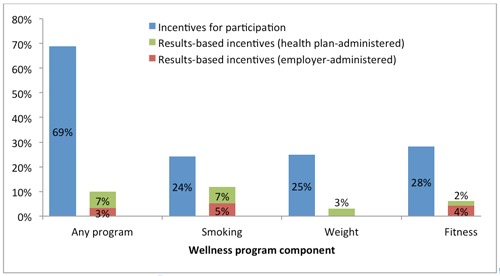
Percentage of Employers with Wellness Programs Using Participation and Results-Based Incentives for Selected Health Behaviors
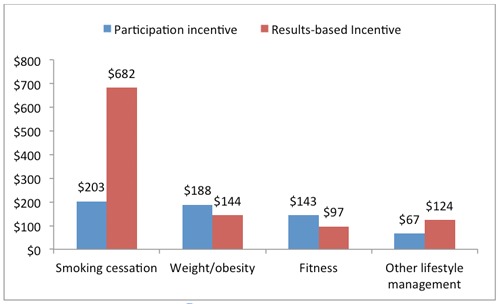
Average Incentive Amounts to Target Select Health Behaviors Among Employers Offering Incentives
References
-
- Baicker, K., Cutler D., et al. (2010). “Workplace wellness programs can generate savings.” Health Affairs 29 (2): 304–311. - PubMed
-
- Cahill, K., and Perera R. (2011). “Competitions and incentives for smoking cessation.” Cochrane Database of Systematic Reviews (4): CD004307. - PubMed
-
- Federal Register (2012). Incentives for Nondiscriminatory Wellness Programs in Group Health Plans. Washington, D.C. Proposed Rule: 77 Fed. Reg, 70620-70642. - PubMed
-
- Federal Register (2013). Incentives for Nondiscriminatory Wellness Programs in Group Health Plans. Washington, D.C.: Final Rule: [Contemporaneously published]. - PubMed
-
- Framingham Heart Study, “General CVD Risk Prediction,” undated. As of August 13, 2013: http://www.framinghamheartstudy.org/risk/gencardio_bmi.xls
LinkOut - more resources
Full Text Sources