Noma: Overview of a Neglected Disease and Human Rights Violation
- PMID: 28093536
- PMCID: PMC5303022
- DOI: 10.4269/ajtmh.16-0718
Noma: Overview of a Neglected Disease and Human Rights Violation
Abstract
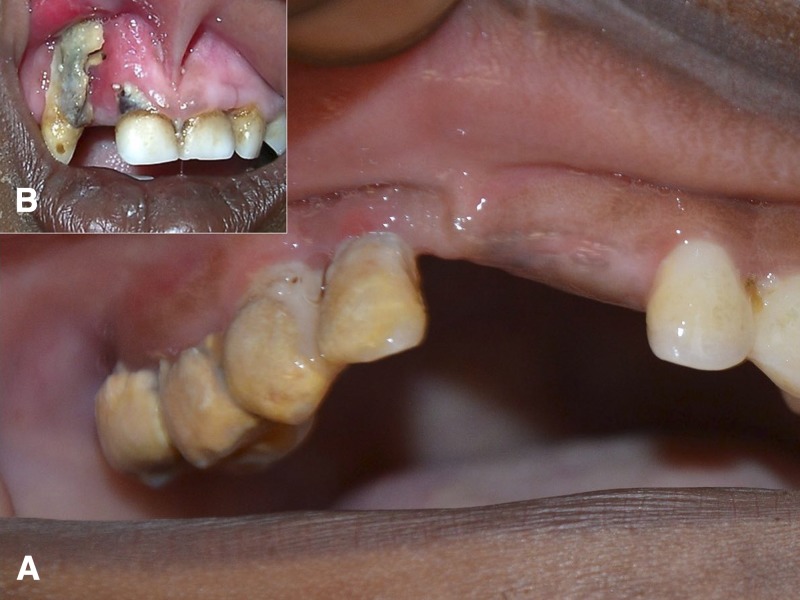
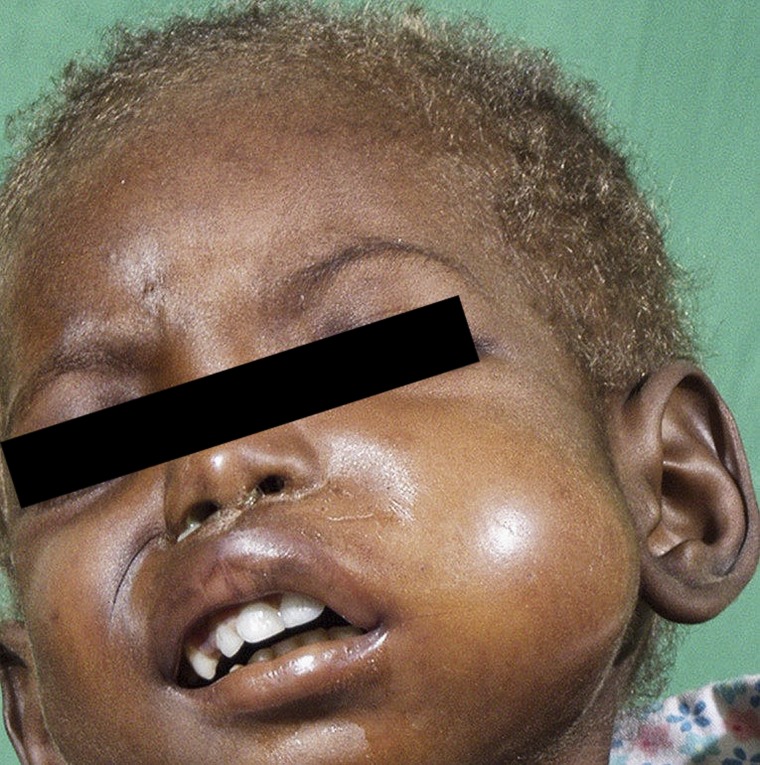
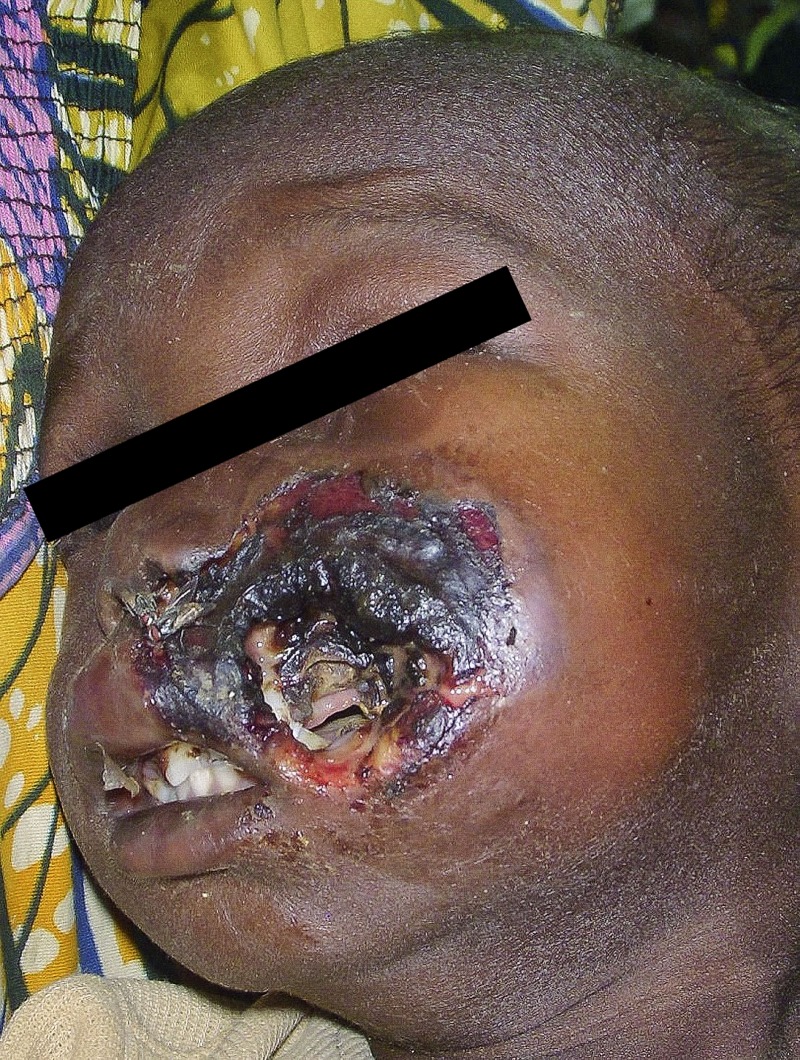
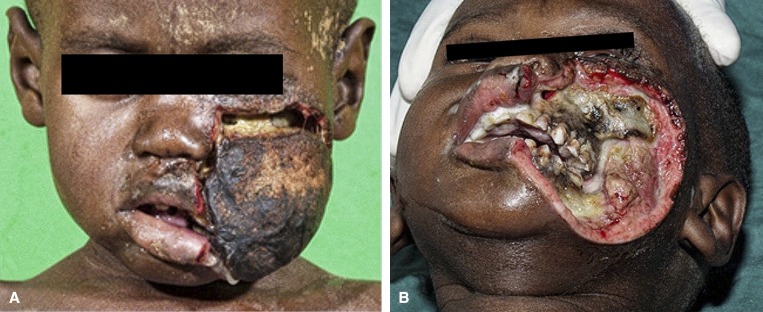
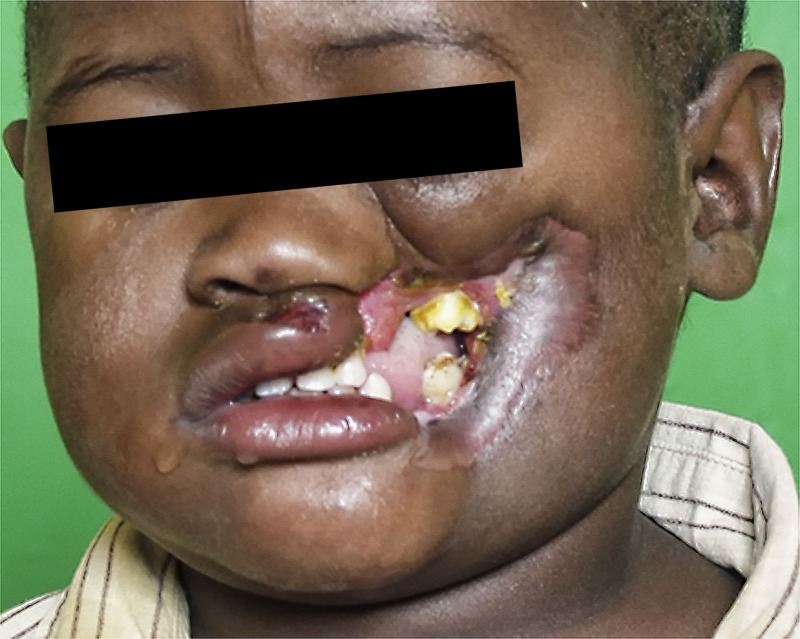
Noma is an orofacial gangrene affecting malnourished children and mainly observed in tropical countries, particularly sub-Saharan Africa. Epidemiological data on noma are scarce, but a current estimate of the global incidence is 30,000-40,000 cases per year, with a mortality rate of approximately 85% and a burden of disease calculated to be a loss of 1-10 million disability-adjusted life years. The etiology of noma is multifactorial with malnutrition as an ever present factor, often in combination with concomitant diseases, such as measles, malaria, and human immunodeficiency virus (HIV), and poor oral hygiene. The pathogenesis is a fast-spreading, noncontagious gangrenous infection occurring in the face, often preceded by acute necrotizing gingivitis, and stomatitis. Rare microbiological studies suggest an opportunistic infection caused by an imbalance in normal intraoral microorganisms. Prevention lies in food security, measles vaccination, prevention of malaria and HIV, including the early detection and treatment of necrotizing gingivitis and stomatitis. Early treatment with antibiotics may prevent gangrene or reduce its extent. Late treatment consists of surgical rehabilitation, which is often complex. However, access to medical care is very limited for noma patients due to the extremely poor conditions in which they live that are frequently located in remote rural areas. The authors support the United Nations Human Rights Council Resolution 19/7 adopted on March 22, 2012 "The right to food," and advocate for the inclusion of noma on the list of neglected tropical diseases to encourage more medical and institutional attention for this often lethal or very mutilating infectious gangrene.
© The American Society of Tropical Medicine and Hygiene.
Figures
Comment in
-
Noma: Time to Address a Collective Moral Failure.Am J Trop Med Hyg. 2017 Feb 8;96(2):263-264. doi: 10.4269/ajtmh.16-0997. Epub 2017 Jan 23. Am J Trop Med Hyg. 2017. PMID: 28115663 Free PMC article. No abstract available.
References
-
- Baratti-Mayer D, Pittet B, Montandon D, Bolivar I, Bornand JE, Hugonnet S, Jaquinet A, Schrenzel J, Pittet D, Geneva Study Group on Noma Noma: an “infectious” disease of unknown aetiology. Lancet Infect Dis. 2003;3:419–431. - PubMed
-
- Marck KW. A history of noma, the “face of poverty”. Plast Reconstr Surg. 2003;111:1702–1707. - PubMed
-
- Stewart MJ. Observations on the histopathology of cancrum oris. J Pathol. 1912;16:221–225.
-
- Tempest MN. Cancrum oris. Br J Surg. 1966;53:949–969. - PubMed
-
- Enwonwu CO, Falkler WA, Jr, Phillips RS. Noma (cancrum oris) Lancet. 2006;368:147–156. - PubMed
Publication types
MeSH terms
LinkOut - more resources
Full Text Sources
Other Literature Sources