Review
. 2017 Jan-Feb;18(1):54-70.
doi: 10.3348/kjr.2017.18.1.54. Epub 2017 Jan 5.

Diffuse Large B-Cell Lymphoma in the Era of Precision Oncology: How Imaging Is Helpful

Affiliations
Review

Diffuse Large B-Cell Lymphoma in the Era of Precision Oncology: How Imaging Is Helpful

Hina J Shah et al. Korean J Radiol. 2017 Jan-Feb.

Abstract

Diffuse large B cell lymphoma (DLBCL) is the most common histological subtype of Non-Hodgkin's lymphoma. As treatments continues to evolve, so do imaging strategies, and positron emission tomography (PET) has emerged as the most important imaging tool to guide oncologists in the diagnosis, staging, response assessment, relapse/recurrence detection,and therapeutic decision making of DLBCL. Other imaging modalities including magnetic resonance imaging (MRI), computed tomography (CT), ultrasound, and conventional radiography are also used in the evaluation of lymphoma. MRI is useful for nervous system and musculoskeletal system involvement and is emerging as a radiation free alternative to PET/CT. This article provides a comprehensive review of both the functional and morphological imaging modalities, available in the management of DLBCL.

Keywords: Diffuse large B cell lymphoma; FDG-positron emission tomography/CT; Lymphoma; MRI.


Figures
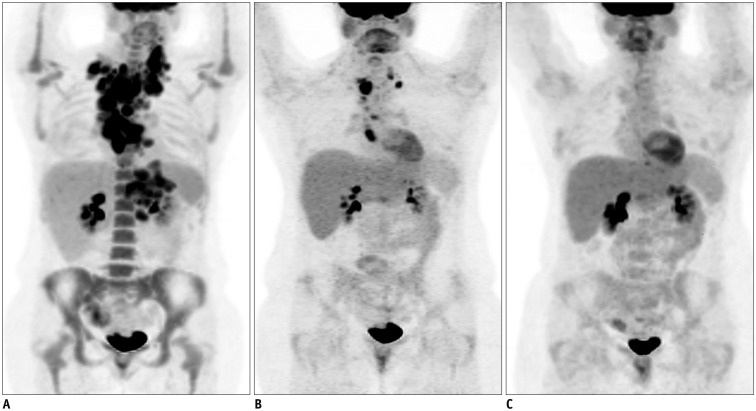
Fig. 1
Fig. 1. 33-year-old woman with DLBCL (PMBL subtype).
A. Maximum intensity projection (MIP) FDG-PET image shows FDG-avid cervical, thoracic, and abdominal lymphadenopathy, as well as diffuse bone marrow uptake. B. Interim MIP FDG-PET image after 2 cycles of chemotherapy shows good metabolic response with residual thoracic lymphadenopathy. C. End of treatment FDG-PET image shows complete response. DLBCL = diffuse large B cell lymphoma, FDG = (F-18)2-fluoro-2-deoxy-D-glucose, PET = positron emission tomography, PMBL = primary mediastinal B-cell lymphoma
Fig. 2
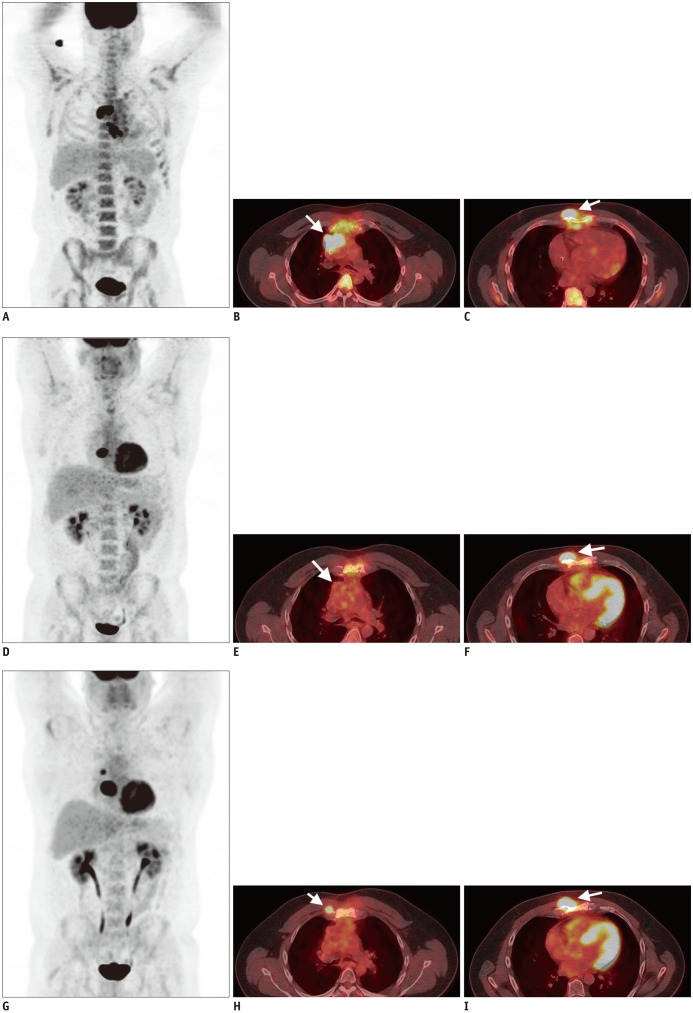
Fig. 2. 43-year-old man with DLBCL.
A-C. Pre-therapy FDG-PET/CT demonstrates large intensely FDG-avid anterior mediastinal mass (arrow in B), presternal soft tissue mass (arrow in C), and diffuse bone marrow involvement. Focal intense uptake in proximal right upper extremity represents injection site. D-F. Interim FDG-PET/CT, performed after 2 cycles of chemotherapy, demonstrates complete metabolic response in anterior medistinum with residual anterior mediastinal soft tissue (arrow in E); however persistent presternal FDG-avid soft tissue is consistent with incomplete response (arrow in F). G-I. Post-therapy FDG-PET/CT performed after 4 cycles of chemotherapy demonstrates interval increase in size of presternal soft tissue mass (arrow in I), as well as new recurrence in right parasternal region more superiorly (arrow in H). CT = computed tomography, DLBCL = diffuse large B cell lymphoma, FDG = (F-18)2-fluoro-2-deoxy-D-glucose, PET = positron emission tomography
Fig. 3
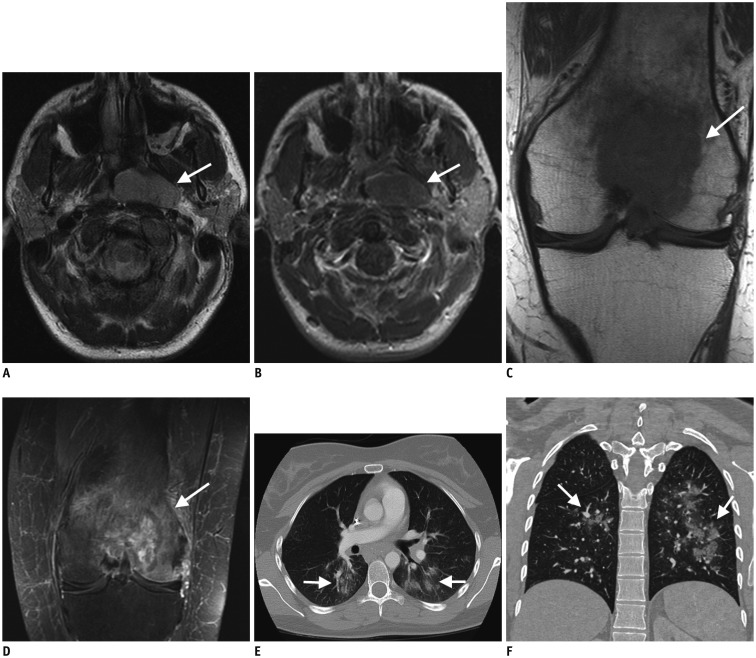
Fig. 3. 61-year-old woman presented with fullness in her left ear and bilateral neck swelling.
Endoscopy revealed left-sided nasopharyngeal mass. Patient also had pain and swelling in left knee. A. Axial T2-weighted MR image shows mildy hyperintense mass (arrow) involving left nasopharynx. B. Axial contrast-enhanced T1-weighted MR image shows minimal homogeneous enhancement of mass (arrow). C. Coronal T1-weighted MR image shows low signal intensity of tumor relative to fatty marrow of epiphysis (arrow). D. Coronal short tau inversion recovery MR image of knee joint shows irregular hyperintense mass involving distal femoral epiphysis with periosteal reaction and soft tissue (arrow). Pathology demonstrated DLBCL with MYC and BCL-2 overexpression on immunoperoxidase staining, consistent with double hit lymphoma. Patient presented to emergency department after 2 cycles of R-CHOP chemotherapy with cough and shortness of breath. E, F. Axial (E) and coronal (F) contrast-enhanced lung window CT images reveal patchy groundglass opacities in both lower lobes (arrows) suggestive of drug associated pneumonitis. CT = computed tomography, DLBCL = diffuse large B cell lymphoma, R-CHOP = rituximab, cyclophosphamide, doxorubicin, vincristine, and prednisone
Fig. 4
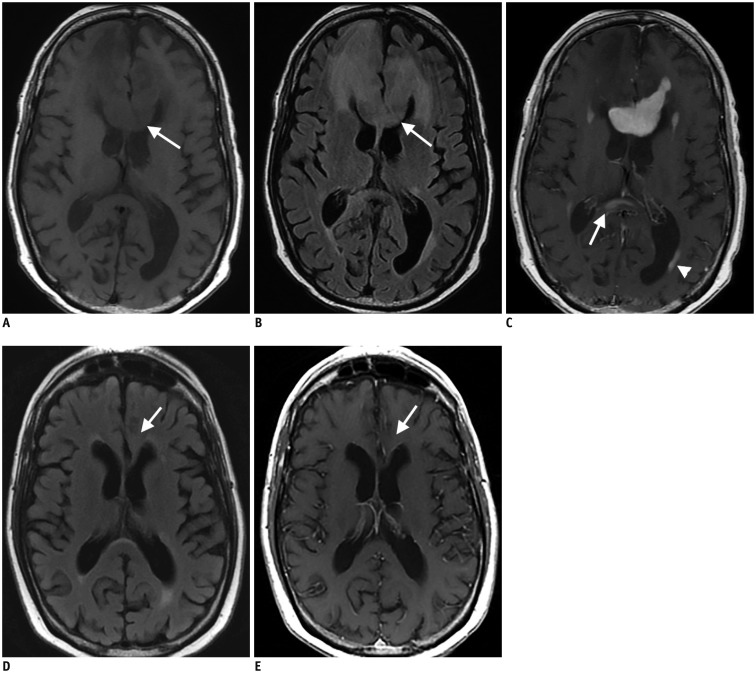
Fig. 4. 74-year-old man with primary multifocal CNS DLBCL.
A. Axial T1-weighted MR image shows large infiltrative mass involving the genu of corpus callosum and bilateral frontal deep white matter (arrow), which is nearly isointense to white matter. B. On corresponding axial fluid attenuated inversion recovery (FLAIR) MR image, mass is hyperintense to white matter, and there is extensive white matter edema in bilateral frontal lobes. C. Axial contrast-enhanced T1-weighted MR image shows heterogeneous enhancement of mass, as well as involvement of splenium of corpus callosum (arrow) and bilateral periventricular deep white matter (arrowhead). D, E. Post-treatment axial FLAIR (D) and contrast-enhanced T1-weighted MR images show near complete response with marked reduction in size and enhancement of mass (arrows). CNS = central nervous system, DLBCL = diffuse large B cell lymphoma
Fig. 5
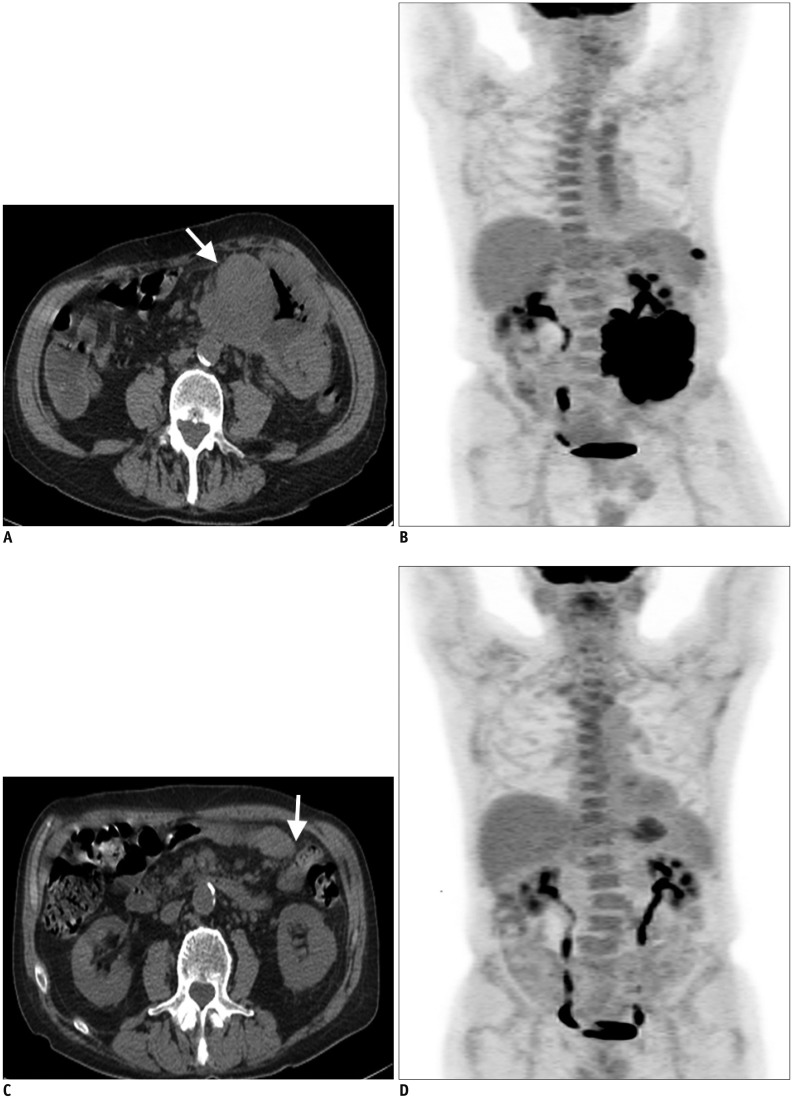
Fig. 5. 65-year-old man with HIV presented with progressive fatigue and abdominal pain.
A, B. Axial non-enhanced CT (A) and coronal FDG-PET (B) reveal an FDG-avid mass involving small bowel loop, causing aneurysmal dilatation without obstruction (arrow). C, D. Posttherapy axial non-enhanced CT (C) and coronal FDG-PET (D) reveal complete metabolic response with resolution of bowel wall thickening (arrow). CT = computed tomography, FDG = (F-18)2-fluoro-2-deoxy-D-glucose, HIV = human immunodeficiency virus, PET = positron emission tomography
Fig. 6
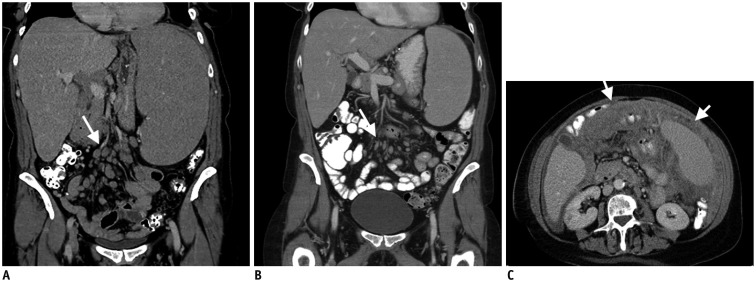
Fig. 6. 68-year-old man with CLL and transformation to DLBCL.
A. Pre-treatment coronal contrast-enhanced CT image shows massive splenomegaly and enlarged mesenteric lymph nodes (arrow). B. Follow up study after chemotherapy shows treatment response evidenced by interval decrease in size of lymph nodes (arrow) and spleen. C. Axial contrast-enhanced CT image after 6 months reveals new diffuse omental and peritoneal disease (arrows), as well as ascites, in setting of increasing LDH and lymphocytosis. Pathology was consistent with DLBCL. CLL = chronic lymphocytic leukemia, CT = computed tomography, DLBCL = diffuse large B cell lymphoma, LDH = lactate dehydrogenase

References

    1. Siegel R, Naishadham D, Jemal A. Cancer statistics, 2013. CA Cancer J Clin. 2013;63:11–30. - PubMed
    1. Møller MB, Pedersen NT, Christensen BE. Diffuse large B-cell lymphoma: clinical implications of extranodal versus nodal presentation--a population-based study of 1575 cases. Br J Haematol. 2004;124:151–159. - PubMed
    1. Shenoy PJ, Malik N, Nooka A, Sinha R, Ward KC, Brawley OW, et al. Racial differences in the presentation and outcomes of diffuse large B-cell lymphoma in the United States. Cancer. 2011;117:2530–2540. - PubMed
    1. Lenz G, Wright GW, Emre NC, Kohlhammer H, Dave SS, Davis RE, et al. Molecular subtypes of diffuse large B-cell lymphoma arise by distinct genetic pathways. Proc Natl Acad Sci U S A. 2008;105:13520–13525. - PMC - PubMed
    1. Iqbal J, Sanger WG, Horsman DE, Rosenwald A, Pickering DL, Dave B, et al. BCL2 translocation defines a unique tumor subset within the germinal center B-cell-like diffuse large B-cell lymphoma. Am J Pathol. 2004;165:159–166. - PMC - PubMed

MeSH terms