


Nephro-toxic effects of intraperitoneally injected EGCG in diabetic mice: involvement of oxidative stress, inflammation and apoptosis
- PMID: 28098182
- PMCID: PMC5241811
- DOI: 10.1038/srep40617
Nephro-toxic effects of intraperitoneally injected EGCG in diabetic mice: involvement of oxidative stress, inflammation and apoptosis
Abstract
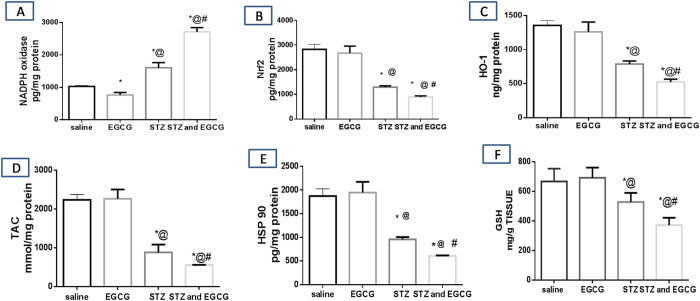
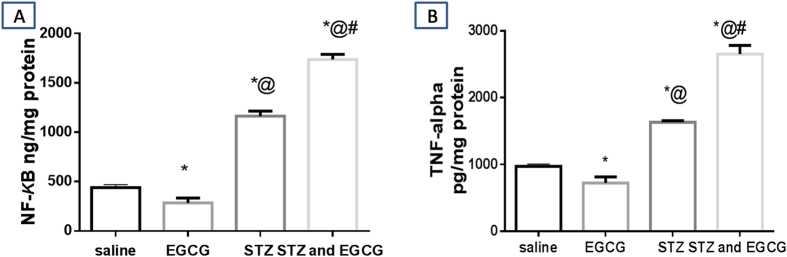
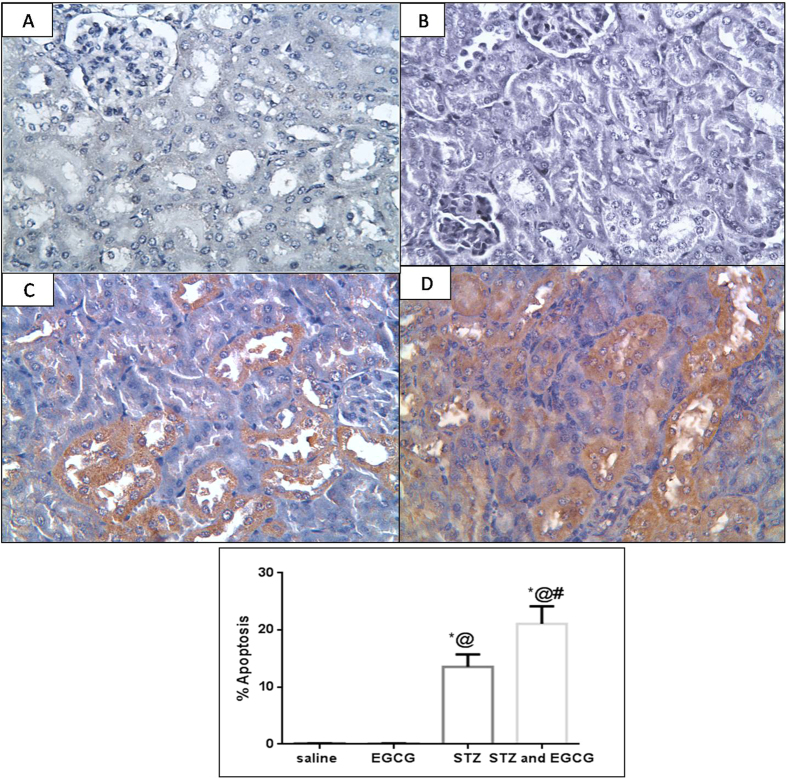
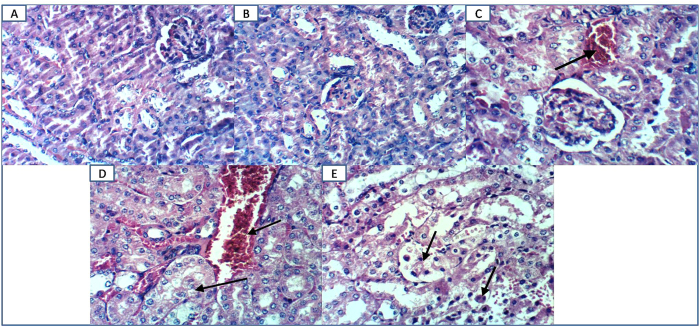
Epigallocatechin gallate (EGCG) has been studied for its beneficial effects. However, some case reports have associated EGCG supplementation with hepato-toxicity. In the present study, we investigated the possible nephro-toxic effects of EGCG in diabetic mice. Streptozotocin (150 mg/kg, i.p.) was injected in mice for diabetes induction. EGCG (100 mg/kg/day, i.p.) was then given for 4 days. The administration of EGCG to diabetic mice caused 60% mortality with no death recorded in other groups. Blood samples were collected for estimation of serum cystatin C, neutrophil gelatinase-associated lipocalin and blood urea nitrogen. Animals were then sacrificed and kidneys were rapidly excised for estimation of oxidative stress markers (NADPH oxidase, reduced glutathione, total antioxidant capacity, nuclear factor erythroid 2-related factor 2, heat shock protein 90, hemeoxygenase-1), as well as inflammatory markers (nuclear factor kappa-B and tumor necrosis factor-α). Administration of EGCG to diabetic mice showed significant elevation in serum cystatin C and neutrophil gelatinase-associated lipocalin, marked increase in oxidative stress and inflammatory states in addition to marked over expression of active caspase-3. Histopathological examination confirmed EGCG induced renal damage in diabetic mice. In conclusion, despite of its well known favorable effects, EGCG could paradoxically exhibit nephro-toxic effect in the presence of diabetes.
Figures
References
-
- Khan N., Afaq F., Saleem M., Ahmad N. & Mukhtar H. Targeting multiple signaling pathways by green tea polyphenol (-)-epigallocatechin-3-gallate. Cancer Res. 66, 2500–2505 (2006). - PubMed
-
- Kuriyama S. et al. Green tea consumption and mortality due to cardiovascular disease, cancer, and all causes in Japan: the Ohsaki study. Jama 296, 1255–1265 (2006). - PubMed
-
- Zaveri N. T. Green tea and its polyphenolic catechins: medicinal uses in cancer and non cancer applications. Life Sci. 78, 2073–2080 (2006). - PubMed
-
- Molinari M. et al. Acute Liver Failure Induced by Green Tea Extracts: Case Report and Review of the Literature. Liver Transp 12, 1892–1895 (2006). - PubMed
MeSH terms
Substances
LinkOut - more resources
Full Text Sources
Other Literature Sources
Molecular Biology Databases
Research Materials
