


Ketogenic diet in pyruvate dehydrogenase complex deficiency: short- and long-term outcomes
- PMID: 28101805
- PMCID: PMC5306430
- DOI: 10.1007/s10545-016-0011-5
Ketogenic diet in pyruvate dehydrogenase complex deficiency: short- and long-term outcomes
Abstract
Objectives: Our aime was to study the short- and long-term effects of ketogenic diet on the disease course and disease-related outcomes in patients with pyruvate dehydrogenase complex deficiency, the metabolic factors implicated in treatment outcomes, and potential safety and compliance issues.
Methods: Pediatric patients diagnosed with pyruvate dehydrogenase complex deficiency in Sweden and treated with ketogenic diet were evaluated. Study assessments at specific time points included developmental and neurocognitive testing, patient log books, and investigator and parental questionnaires. A systematic literature review was also performed.
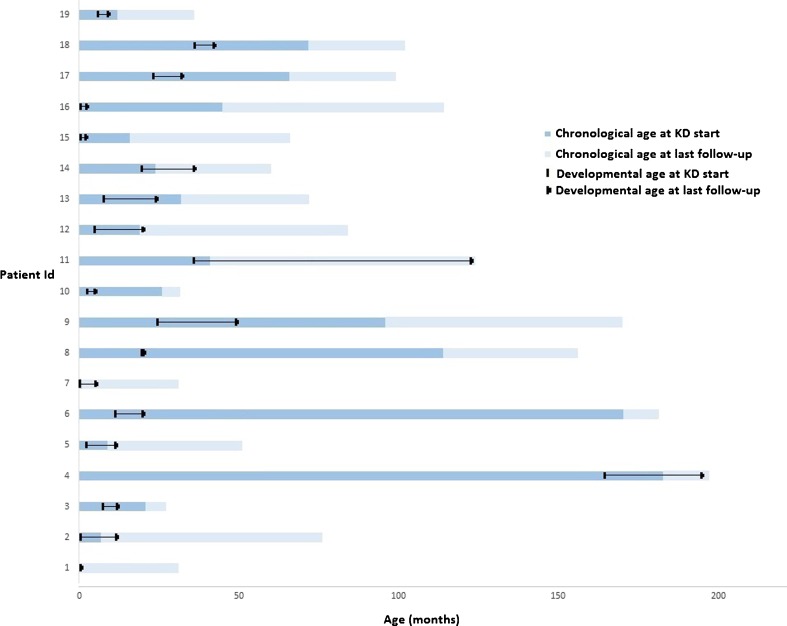
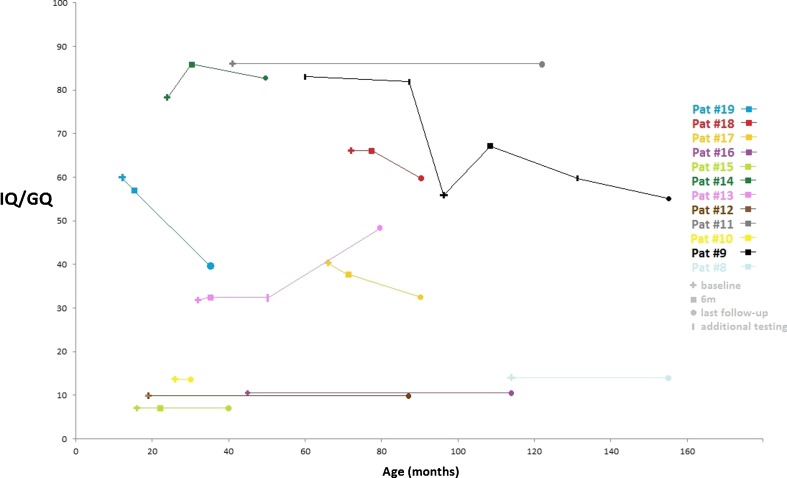
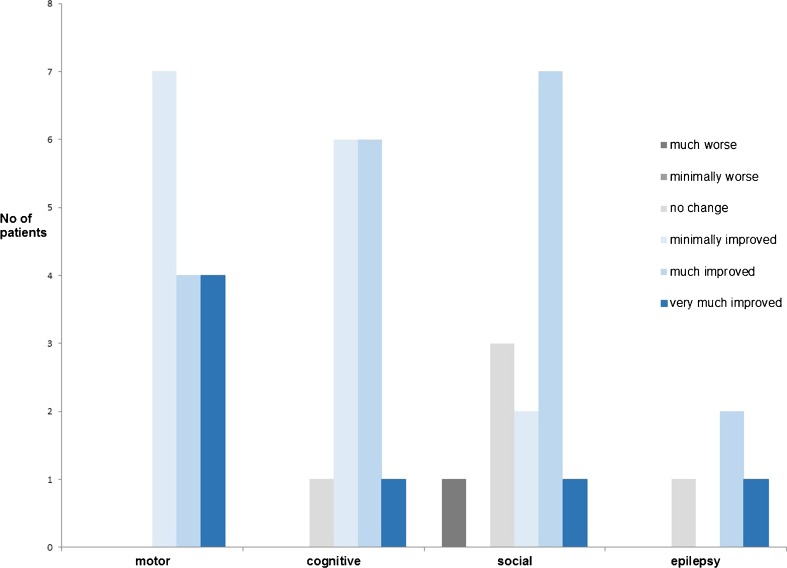
Results: Nineteen patients were assessed, the majority having prenatal disease onset. Patients were treated with ketogenic diet for a median of 2.9 years. All patients alive at the time of data registration at a median age of 6 years. The treatment had a positive effect mainly in the areas of epilepsy, ataxia, sleep disturbance, speech/language development, social functioning, and frequency of hospitalizations. It was also safe-except in one patient who discontinued because of acute pancreatitis. The median plasma concentration of ketone bodies (3-hydroxybutyric acid) was 3.3 mmol/l. Poor dietary compliance was associated with relapsing ataxia and stagnation of motor and neurocognitive development. Results of neurocognitive testing are reported for 12 of 19 patients.
Conclusion: Ketogenic diet was an effective and safe treatment for the majority of patients. Treatment effect was mainly determined by disease phenotype and attainment and maintenance of ketosis.
Conflict of interest statement
None.
Figures
References
MeSH terms
Substances
LinkOut - more resources
Full Text Sources
Other Literature Sources
