


Soft tissue substitutes in non-root coverage procedures: a systematic review and meta-analysis
- PMID: 28108833
- PMCID: PMC5318480
- DOI: 10.1007/s00784-016-2044-4
Soft tissue substitutes in non-root coverage procedures: a systematic review and meta-analysis
Abstract
Objectives: The present systematic review compared the effectiveness of soft tissue substitutes (STSs) and autogenous free gingival grafts (FGGs) in non-root-coverage procedures to increase keratinized tissue (KT) width around teeth.
Materials and methods: Included studies fulfilled the following main eligibility criteria: (a) preclinical in vivo or human controlled trials using FGG as control, (b) non-root-coverage procedures, and (c) assessment of KT width. Meta-analysis was performed on the gain in KT width (primary outcome variable) and several secondary variables.
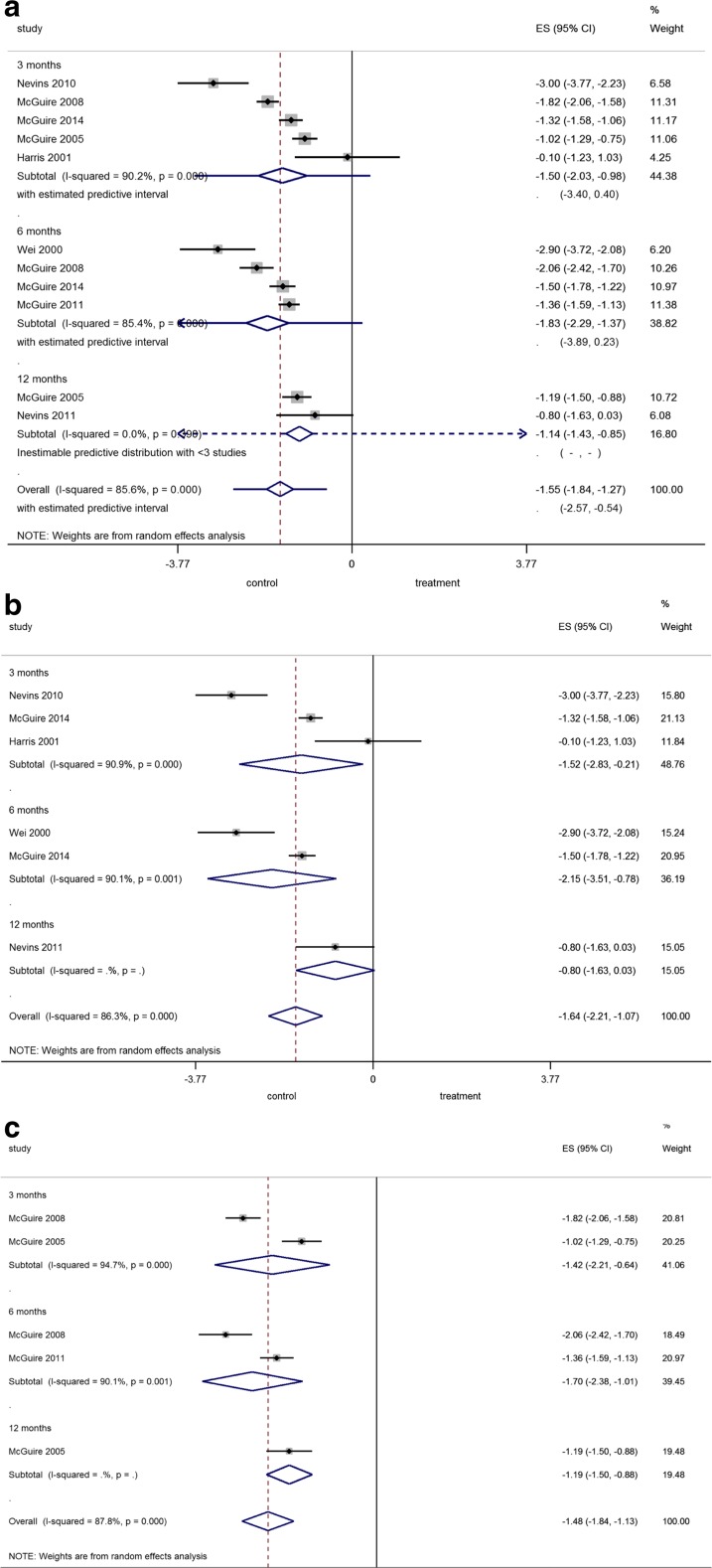
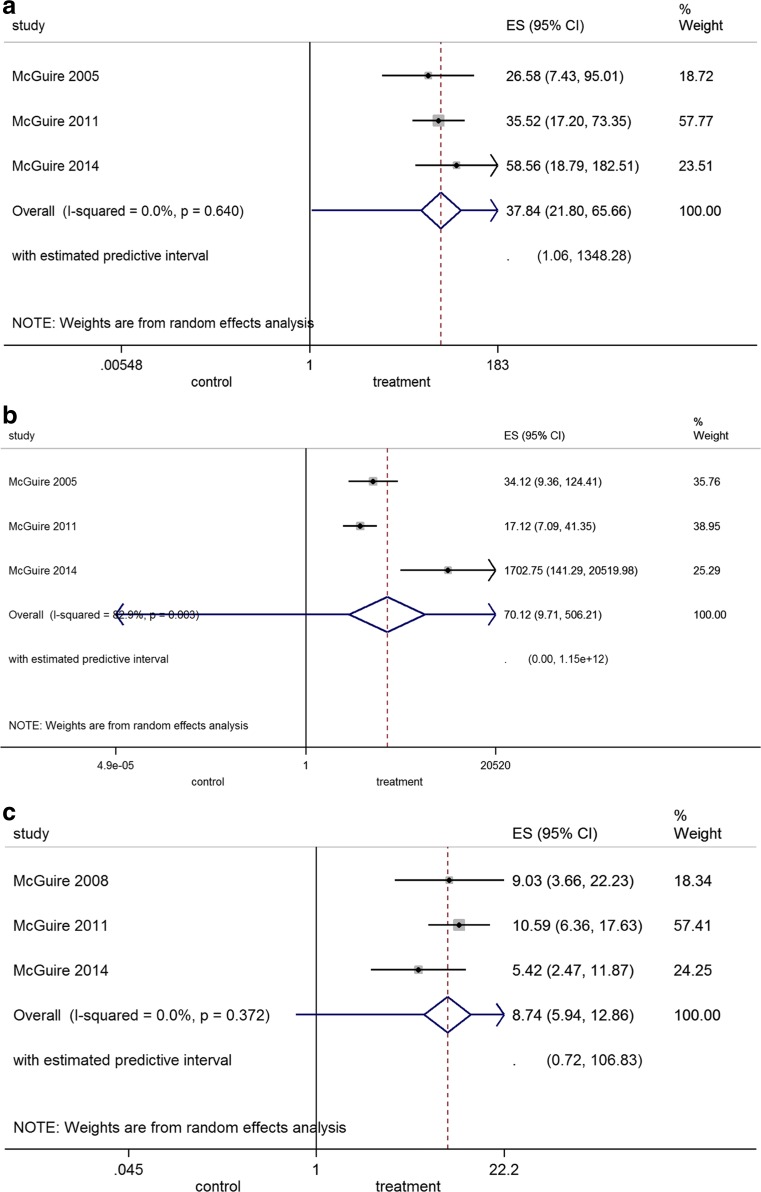
Results: Eight human trials with short observation time evaluating five different STSs were identified. FGG yielded consistently significantly (p < 0.001) larger increase in KT width irrespective whether the comparison regarded an acellular matrix or a tissue-engineered STS. Further, FGG yielded consistently ≥2 mm KT width postoperatively, while use of STS did not, in the few studies reporting on this outcome. On the other hand, STSs resulted in significantly better aesthetic outcomes and received greater patient preference (p < 0.001).
Conclusions: Based on relatively limited evidence, in non-root-coverage procedures, FGG (1) resulted consistently in significantly larger increase in KT width compared to STS and (2) yielded consistently ≥2 mm KT width postoperatively, while STSs did not. STSs yielded significantly better aesthetic outcomes, received greater patient preference, and appeared safe.
Clinical relevance: Larger and more predictable increase in KT width is achieved with FGG, but STSs may be considered when aesthetics is important. Clinical studies reporting relevant posttreatment outcomes, e.g., postop KT width ≥2 mm, on the long-term (>6 months) are warranted.
Keywords: Attached gingiva; Keratinized tissue; Meta-analysis; Randomized controlled trials; Soft tissue augmentation; Systematic review.
Conflict of interest statement
Conflict of interest
The authors declare that they have no conflict of interest.
Funding
No external funding was provided in regard with this study. The authors received no other institutional funding beyond their employment.
Ethical approval
This article does not contain any studies with human participants or animals performed by any of the authors.
Informed consent
For this type of study, formal consent is not required.
Figures
References
-
- Miller SA, Forrest JL. Enhancing your practice through evidence-based decision making: PICO, learning how to ask good questions. J Evid-Based Dent Pract. 2001;1:136–141. doi: 10.1016/S1532-3382(01)70024-3. - DOI
References of excluded studies
Publication types
MeSH terms
LinkOut - more resources
Full Text Sources
Other Literature Sources
Miscellaneous
