


Adenylate Cyclase Type III Is Not a Ubiquitous Marker for All Primary Cilia during Development
- PMID: 28122017
- PMCID: PMC5266283
- DOI: 10.1371/journal.pone.0170756
Adenylate Cyclase Type III Is Not a Ubiquitous Marker for All Primary Cilia during Development
Abstract
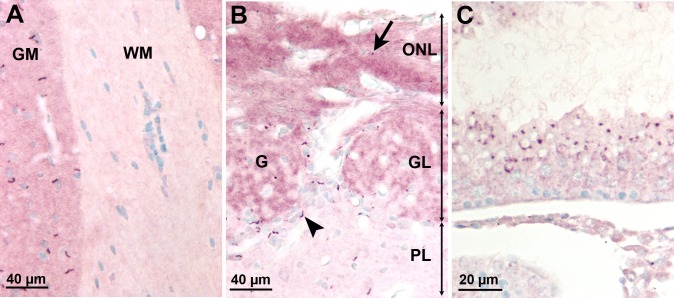
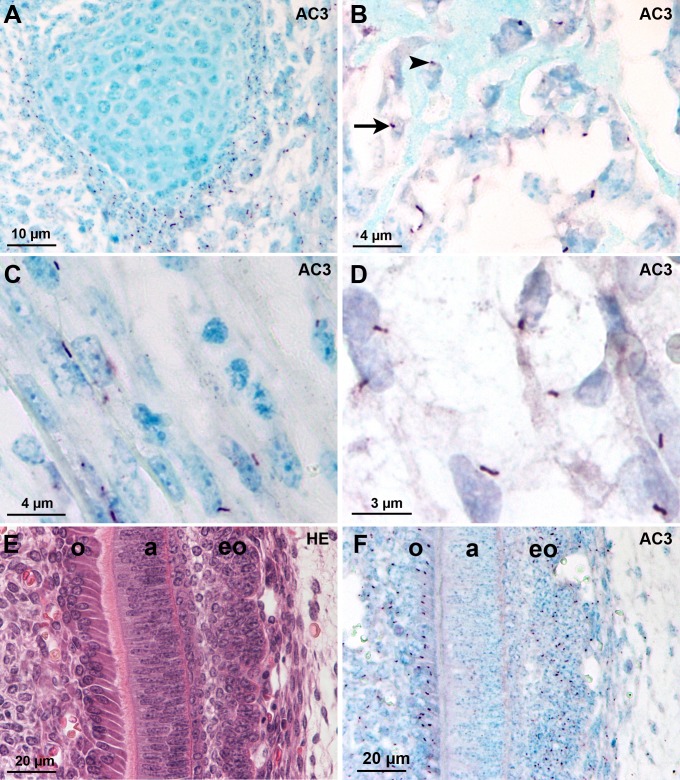
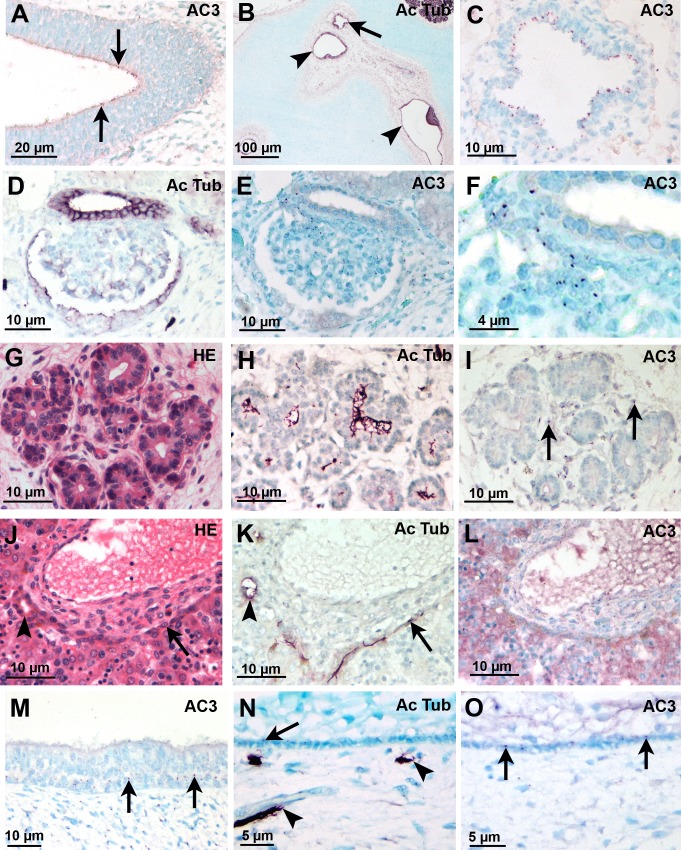
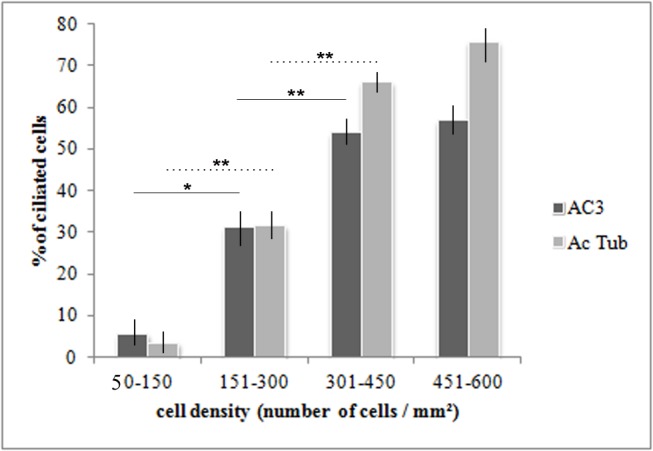
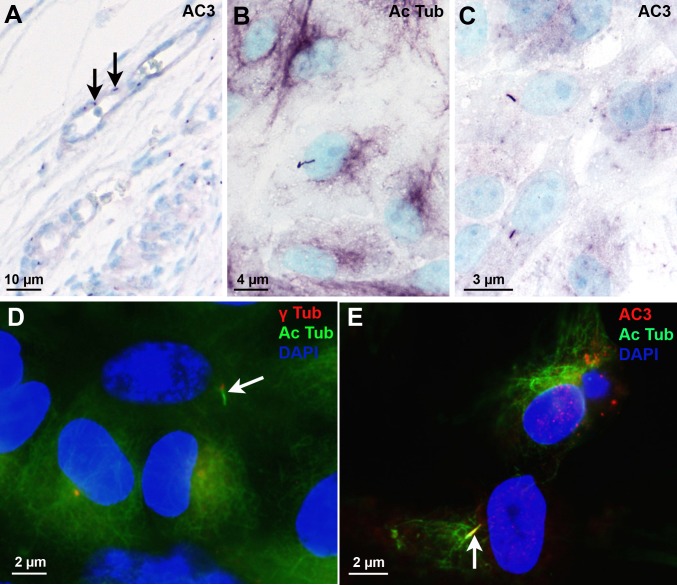
Adenylate cyclase type III (AC3) is localized in plasma membrane of neuronal primary cilium and can be used as a marker of this cilium. AC3 has also been detected in some other primary cilia such as those of fibroblasts, synoviocytes or astrocytes. Despite the presence of a cilium in almost all cell types, we show that AC3 is not a common marker of all primary cilia of different human and mouse tissues during development. In peripheral organs, AC3 is present mainly in primary cilia in cells of the mesenchymal lineage (fibroblasts, chondroblasts, osteoblasts-osteocytes, odontoblasts, muscle cells and endothelial cells). In epithelia, the apical cilium of renal and pancreatic tubules and of ductal plate in liver is AC3-negative whereas the cilium of basal cells of stratified epithelia is AC3-positive. Using fibroblasts cell culture, we show that AC3 appears at the plasma membrane of the primary cilium as soon as this organelle develops. The functional significance of AC3 localization at the cilium membrane in some cells but not others has to be investigated in relationship with cell physiology and expression at the cilium plasma membrane of specific upstream receptors.
Conflict of interest statement
The authors have declared that no competing interests exist.
Figures
References
-
- Händel M, Schulz S, Stanarius A, Schreff M, Erdtmann-Vourliotis M, Schmidt H et al. Selective targeting of somatostatin receptor 3 to neuronal cilia. Neuroscience. 1999; 89: 909–926. - PubMed
MeSH terms
Substances
LinkOut - more resources
Full Text Sources
Other Literature Sources
Molecular Biology Databases
