


PDE5 Inhibitor Tadalafil and Hydroxychloroquine Cotreatment Provides Synergistic Protection against Type 2 Diabetes and Myocardial Infarction in Mice
- PMID: 28123046
- PMCID: PMC5363764
- DOI: 10.1124/jpet.116.239087
PDE5 Inhibitor Tadalafil and Hydroxychloroquine Cotreatment Provides Synergistic Protection against Type 2 Diabetes and Myocardial Infarction in Mice
Abstract
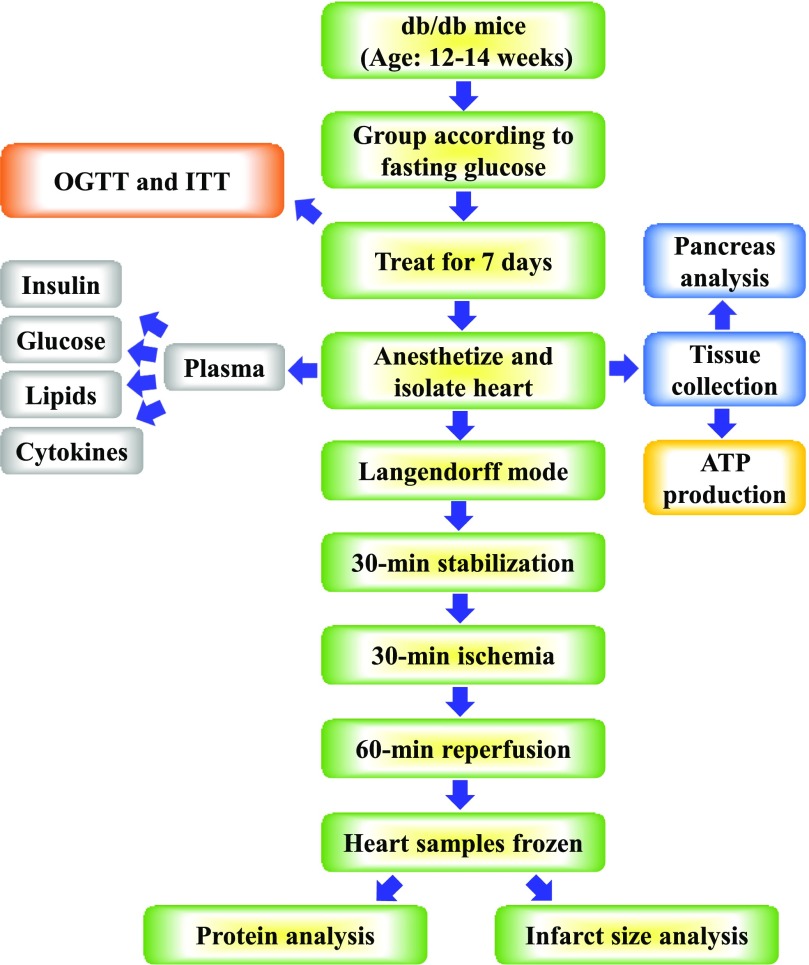
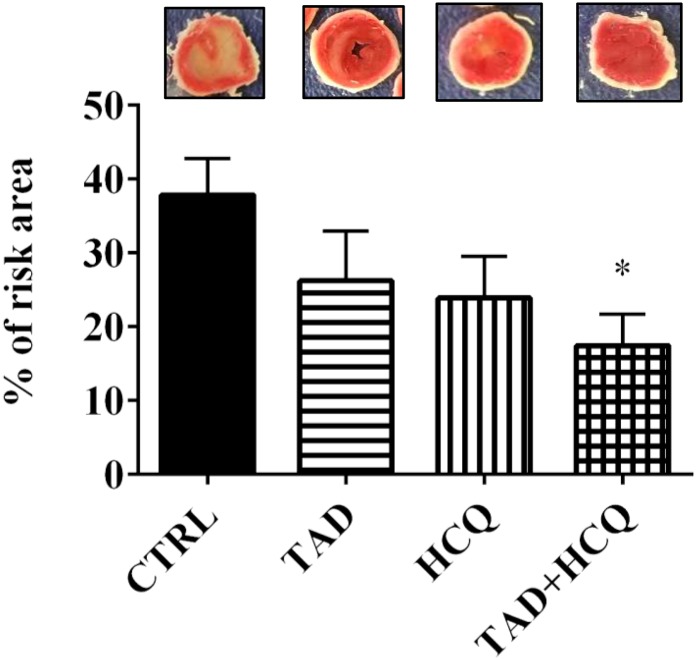
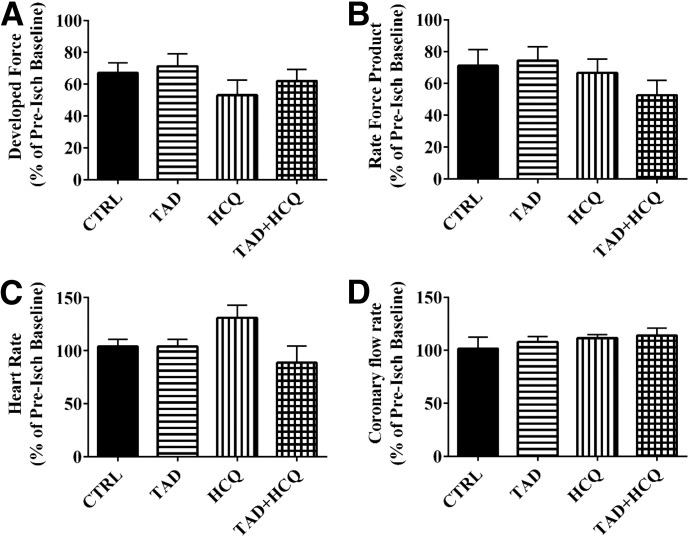
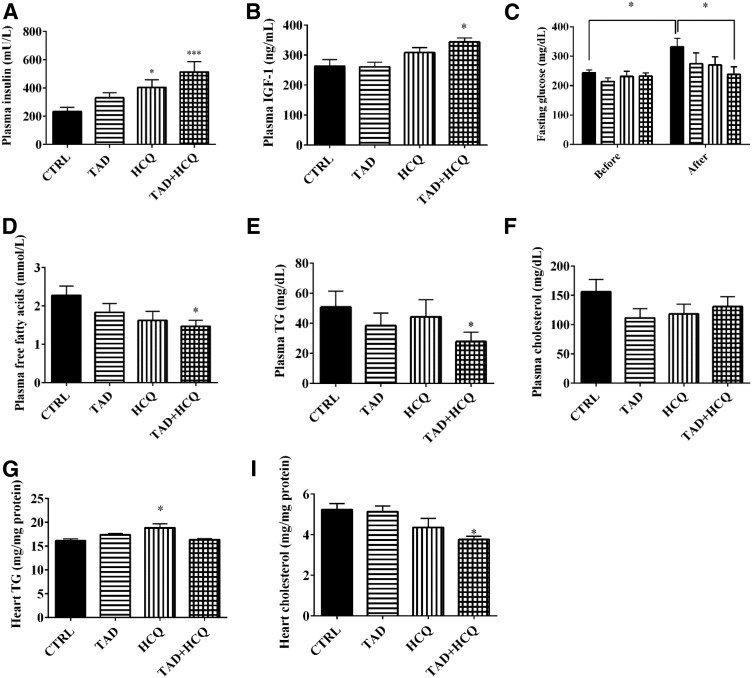
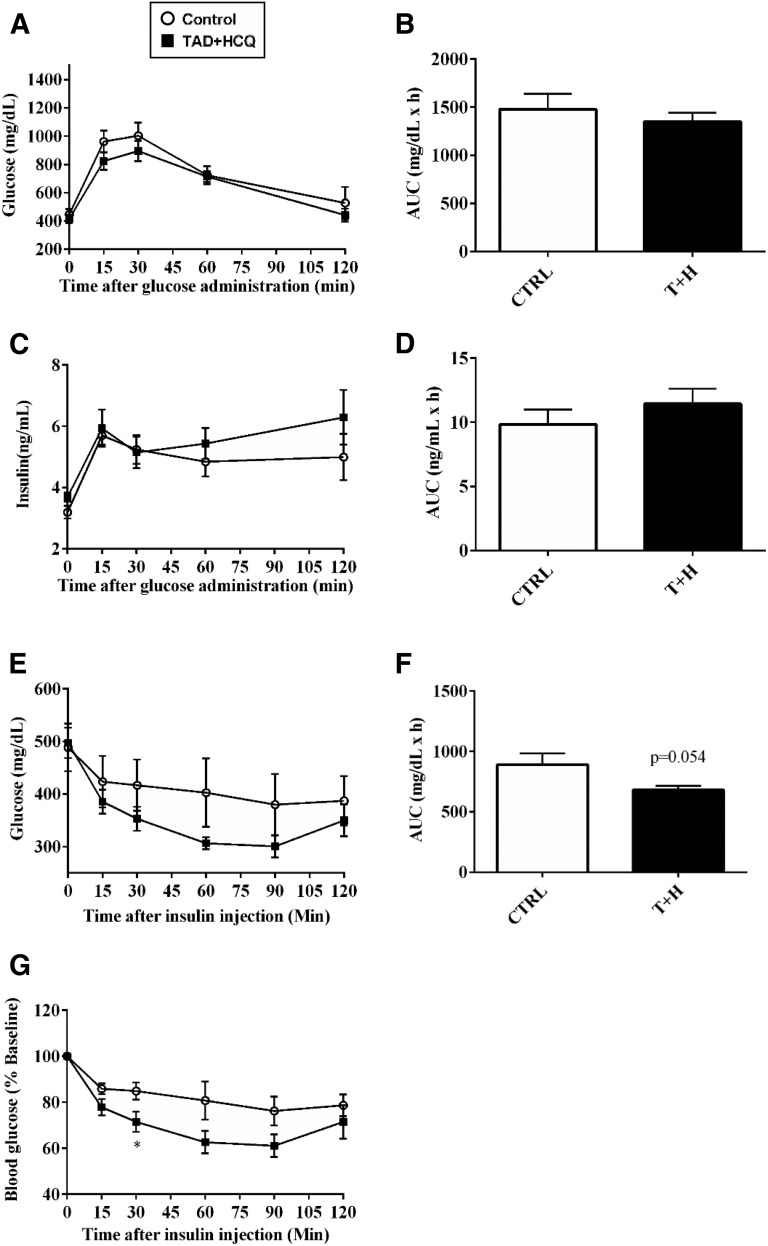
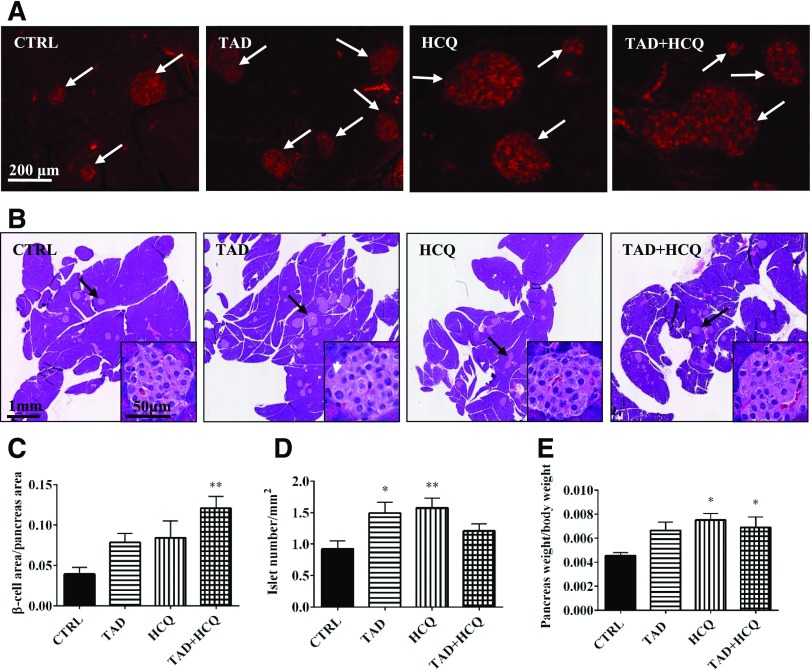
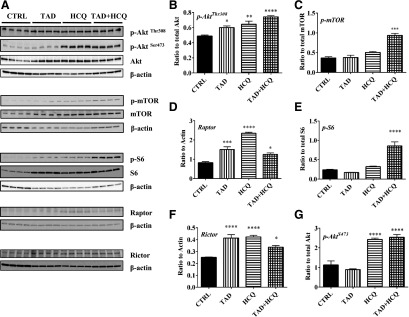
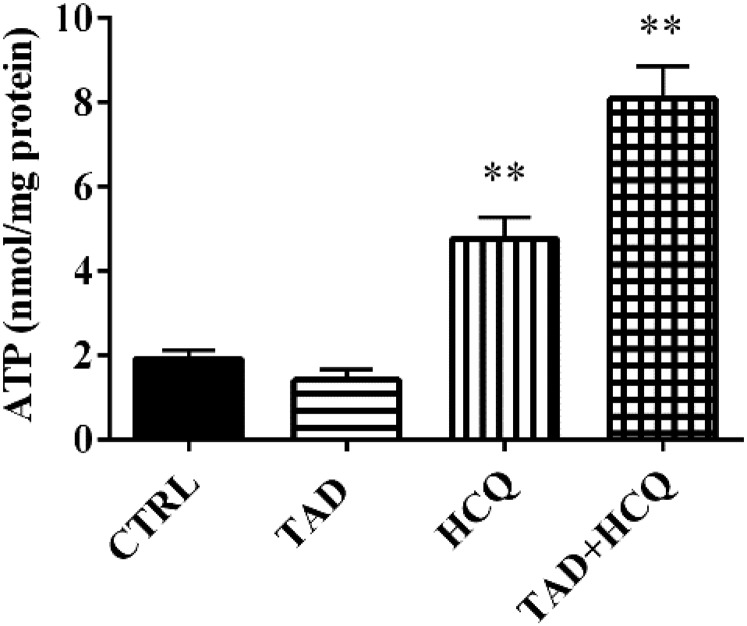
Diabetes is associated with a high risk for ischemic heart disease. We have previously shown that phosphodiesterase 5 inhibitor tadalafil (TAD) induces cardioprotection against ischemia/ reperfusion (I/R) injury in diabetic mice. Hydroxychloroquine (HCQ) is a widely used antimalarial and anti-inflammatory drug that has been reported to reduce hyperglycemia in diabetic patients. Therefore, we hypothesized that a combination of TAD and HCQ may induce synergistic cardioprotection in diabetes. We also investigated the role of insulin-Akt-mammalian target of rapamycin (mTOR) signaling, which regulates protein synthesis and cell survival. Adult male db/db mice were randomized to receive vehicle, TAD (6 mg/kg), HCQ (50 mg/kg), or TAD + HCQ daily by gastric gavage for 7 days. Hearts were isolated and subjected to 30-minute global ischemia, followed by 1-hour reperfusion in Langendorff mode. Cardiac function and myocardial infarct size were determined. Plasma glucose, insulin and lipid levels, and relevant pancreatic and cardiac protein markers were measured. Treatment with TAD + HCQ reduced myocardial infarct size (17.4% ± 4.3% vs. 37.8% ± 4.9% in control group, P < 0.05) and enhanced the production of ATP. The TAD + HCQ combination treatment also reduced fasting blood glucose, plasma free fatty acids, and triglyceride levels. Furthermore, TAD + HCQ increased plasma insulin levels (513 ± 73 vs. 232 ± 30 mU/liter, P < 0.05) with improved insulin sensitivity, larger pancreatic β-cell area, and pancreas mass. Insulin-like growth factor-1 (IGF-1) levels were also elevated by TAD + HCQ (343 ± 14 vs. 262 ± 22 ng/ml, P < 0.05). The increased insulin/IGF-1 resulted in activation of downstream Akt/mTOR cellular survival pathway. These results suggest that combination treatment with TAD and HCQ could be a novel and readily translational pharmacotherapy for reducing cardiovascular risk factors and protecting against myocardial I/R injury in type 2 diabetes.
Copyright © 2017 by The American Society for Pharmacology and Experimental Therapeutics.
Figures
References
-
- Abbas A, Grant PJ, Kearney MT. (2008) Role of IGF-1 in glucose regulation and cardiovascular disease. Expert Rev Cardiovasc Ther 6:1135–1149. - PubMed
-
- Anderson RJ. (1995) Hydroxychloroquine therapy in rheumatic diseases. Bull Rheum Dis 44:6–7. - PubMed
-
- Barsotti A, Giannoni A, Di Napoli P, Emdin M. (2009) Energy metabolism in the normal and in the diabetic heart. Curr Pharm Des 15:836–840. - PubMed
-
- Bili A, Sartorius JA, Kirchner HL, Morris SJ, Ledwich LJ, Antohe JL, Dancea S, Newman ED, Wasko MC. (2011) Hydroxychloroquine use and decreased risk of diabetes in rheumatoid arthritis patients. J Clin Rheumatol 17:115–120. - PubMed
-
- Blazar BR, Whitley CB, Kitabchi AE, Tsai MY, Santiago J, White N, Stentz FB, Brown DM. (1984) In vivo chloroquine-induced inhibition of insulin degradation in a diabetic patient with severe insulin resistance. Diabetes 33:1133–1137. - PubMed
Publication types
MeSH terms
Substances
Grants and funding
LinkOut - more resources
Full Text Sources
Other Literature Sources
Medical
Research Materials
Miscellaneous
