


Injuries to the great toe
- PMID: 28124292
- PMCID: PMC5344861
- DOI: 10.1007/s12178-017-9390-y
Injuries to the great toe
Abstract
Purpose of review: Injuries to the great toe are common in athletes. While most are managed nonoperatively and allow return to sports activity, some great toe injuries are highly problematic and can impact function. The purpose of this review is to highlight several specific injuries and disease processes involving the hallux and to detail current recommendations and management options in order to help raise suspicion for injuries that can result in long-term dysfunction.
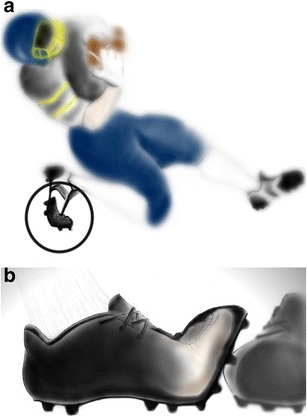
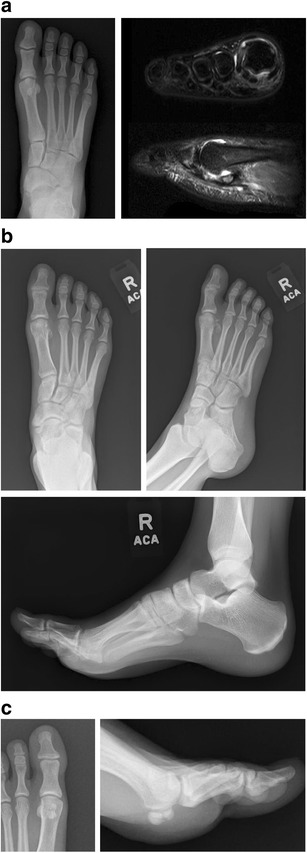
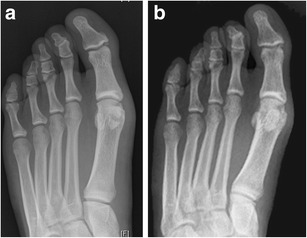
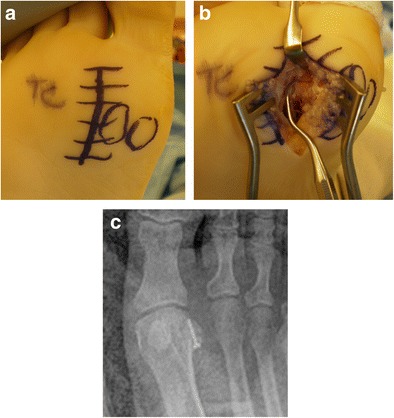
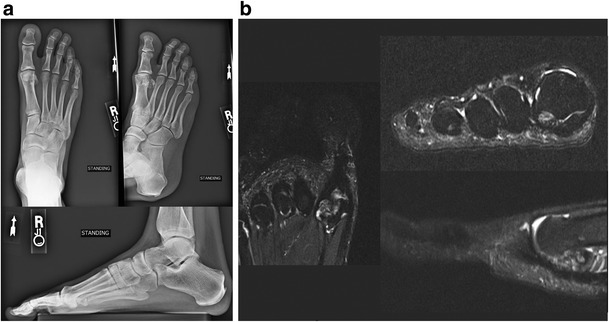
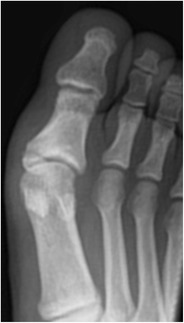
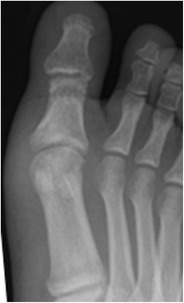
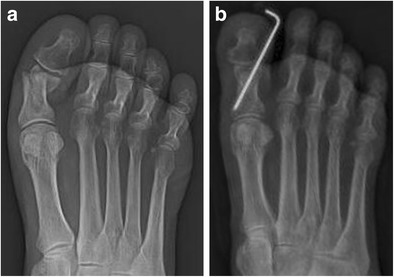
Recent findings: Toe injuries have been found to represent nearly 10% of injuries presenting to fracture clinics. While most injuries can be treated nonsurgically, there are a number of specific injuries that require a high index of suspicion, careful management, and in some cases, surgical intervention. Injuries detailed in this review include turf toe, traumatic bunion, and hallux and sesamoid fractures. Additional pathologies that are covered include sesamoiditis and sesamoid avascular necrosis as well as hallux rigidus. Appropriate workup and current treatment recommendations are discussed. Injuries to the hallux can result in long-term pain and disability if not properly diagnosed and treated. A high index of suspicion is required.
Keywords: Fracture; Hallux injury; Sesamoids; Traumatic bunion; Turf toe.
Conflict of interest statement
Conflict of interest
Philip J York and Frank B Wydra declare that they have no conflict of interest.
Kenneth J Hunt reports grants from Acumed and ISAKOS outside of the submitted work.
Human and animal rights and informed consent
This article does not contain any studies with human or animal subjects performed by any of the authors.
Figures
References
Publication types
LinkOut - more resources
Full Text Sources
Other Literature Sources
Research Materials
