


Can intravenous conscious sedation with midazolam be effective at facilitating surgical dentistry in adolescent orthodontic patients? A service evaluation
- PMID: 28127013
- PMCID: PMC5501314
- DOI: 10.1038/sj.bdj.2017.78
Can intravenous conscious sedation with midazolam be effective at facilitating surgical dentistry in adolescent orthodontic patients? A service evaluation
Abstract
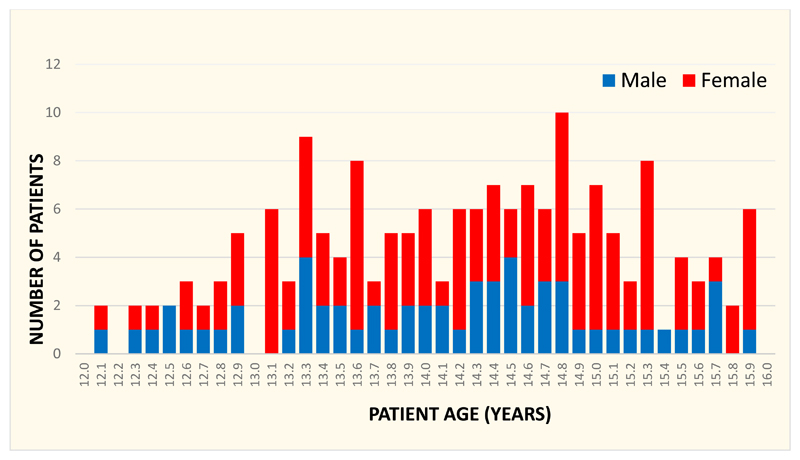
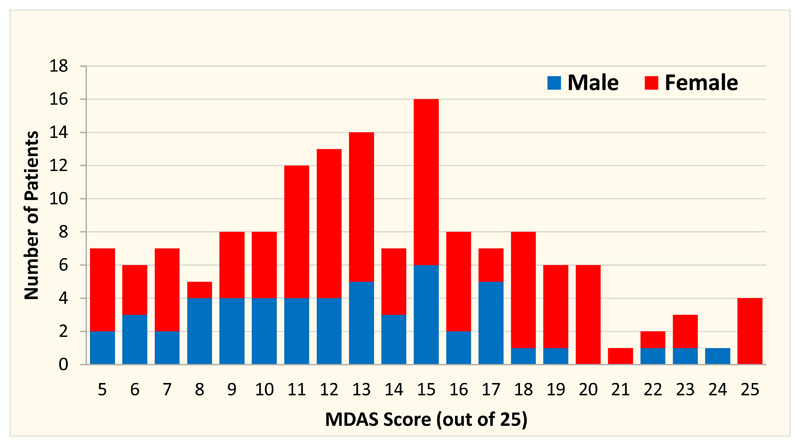
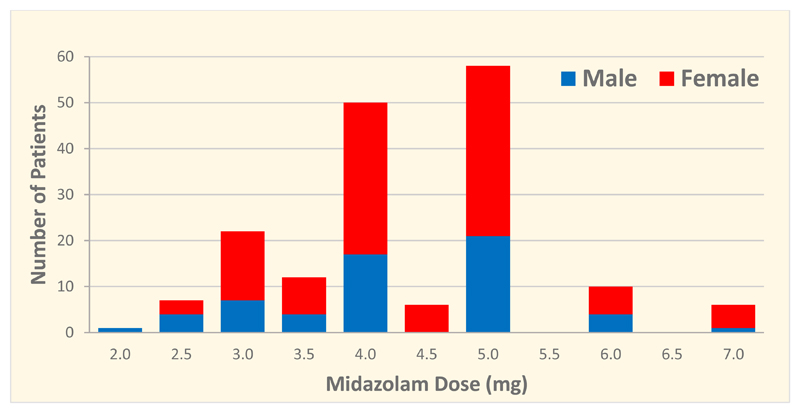
Background Surgical dentistry during orthodontic care often occurs in adolescence and may involve surgical removal or exposure of teeth. The invasive nature of treatment, combined with dental anxiety, means care can often be provided under general anaesthesia (GA). Best-practice guidelines however endorse conscious sedation as an alternative, where appropriate. Although a limited number of studies have shown safe and effective use of intravenous conscious sedation (IVCS) with midazolam in this cohort, robust evidence to support routine use is lacking. Aim To assess whether IVCS with midazolam can effectively facilitate surgical dentistry in adolescent orthodontic patients in primary care.Method A retrospective service evaluation was undertaken reviewing clinical records of adolescents (aged 12-15 years) undergoing surgical exposure and/or surgical removal of teeth under IVCS with midazolam.Results A total of 174 adolescents (mean age 14.2 years) attended for treatment between 2009 and 2015. Of these adolescents, 98.9% (N = 172) allowed cannulation, with all surgical dentistry completed during a single visit. Midazolam dose ranged from 2-7 mg with 79.1% of patients having good or excellent cooperation and three minor adverse events occurring.Conclusion This service evaluation shows IVCS with midazolam can effectively facilitate surgical orthodontics in carefully selected adolescents. There is however a distinct need to further explore potential for this technique to provide a viable alternative to GA.
Figures
References
-
- Husain J, Burden D, McSherry P, Morris D, Allen M. National clinical guidelines for management of the palatally ectopic maxillary canine. Br Dent J. 2012;213:171–176. - PubMed
-
- Parkin N, Benson PE, Thind B, Shah A. Open versus closed surgical exposure of canine teeth that are displaced in the roof of the mouth. Cochrane Database Syst Rev. 2008:CD006966. - PubMed
-
- Hetherington S, Corbett IP, Chapple JR, Meechan JG. Anaesthetic choice for palatal canine exposure. Oral Surgery. 2010;3:11–15.
-
- Royal College of Surgeons of England. UK National Clinical Guidelines in Paediatric Dentistry. Guideline for the Use of General Anaesthesia (GA) in Paediatric Dentistry. London: Royal College of Surgeons of England; 2008.
-
- Association of Paediatric Anaesthetists of Great Britain and Ireland. Guidelines for The Management of Children Referred for Dental Extractions under General Anaesthesia. London: Association of Paediatric Anaesthetists of Great Britain and Ireland; 2011.
MeSH terms
Substances
Grants and funding
LinkOut - more resources
Full Text Sources
Other Literature Sources
