. 2017 Jan 27:7:41487.
doi: 10.1038/srep41487.

Identification of a novel selective PPARγ ligand with a unique binding mode and improved therapeutic profile in vitro

Affiliations

Identification of a novel selective PPARγ ligand with a unique binding mode and improved therapeutic profile in vitro

Wei Yi et al. Sci Rep. .

Abstract

Thiazolidinediones (TZD) function as potent anti-diabetic drugs through their direct action on the nuclear receptor peroxisome proliferator-activated receptor γ (PPARγ), but their therapeutic benefits are compromised by severe side effects. To address this concern, here we developed a potent "hit" compound, VSP-51, which is a novel selective PPARγ-modulating ligand with improved therapeutic profiles in vitro compared to the multi-billion dollar TZD drug rosiglitazone (Rosi). Unlike Rosi, VSP-51 is a partial agonist of PPARγ with improved insulin sensitivity due to its ability to bind PPARγ with high affinity without stimulating adipocyte differentiation and the expression of adipogenesis-related genes. We have determined the crystal structure of the PPARγ ligand-binding domain (LBD) in complex with VSP-51, which revealed a unique mode of binding for VSP-51 and provides the molecular basis for the discrimination between VSP-51 from TZDs and other ligands such as telmisartan, SR1663 and SR1664. Taken together, our findings demonstrate that: a) VSP-51 can serve as a promising candidate for anti-diabetic drug discovery; and b) provide a rational basis for the development of future pharmacological agents targeting PPARγ with advantages over current TZD drugs.


Conflict of interest statement

The authors declare no competing financial interests.

Figures
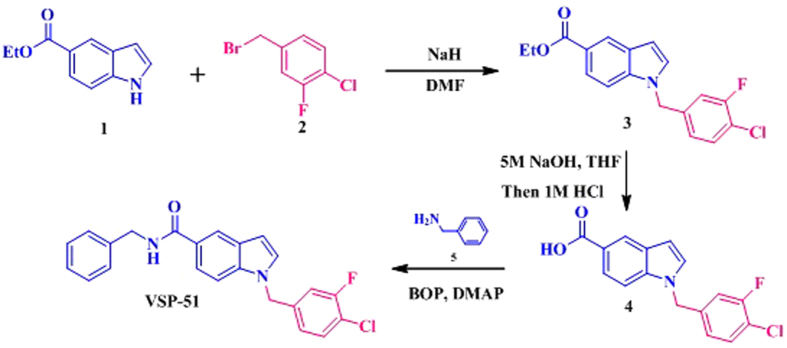
Figure 1
Figure 1. The synthesis of VSP-51.
Figure 2
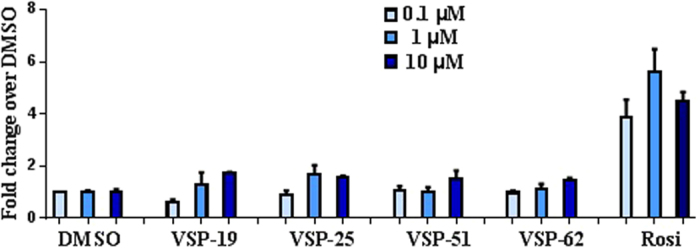
Figure 2. PPARγ luciferase reporter assay.
Cos-7 cells were cotransfected with a PPARγ expression plasmid, a firefly luciferase gene under the control of three tandem PPARγ response elements, and a Renilla luciferase control. The firefly luciferase activity was normalized against Renilla luciferase units. Fold activation was calculated against DMSO vehicle. Fold activation of Rosi and compounds were at 0.1, 1 and 10 μM concentrations (n = 3, error bars = SEM).
Figure 3
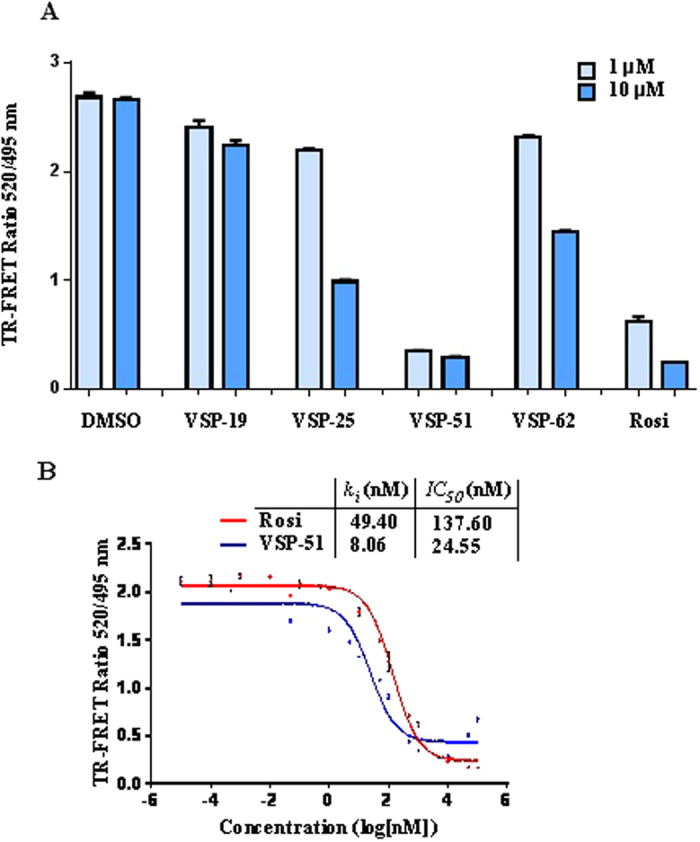
Figure 3. Characterization of VSP-51 binding.
LanthaScreen TR-FRET assay (Invitrogen) was used for determining the relative binding affinities of the ligands VSP-19, 25, 51, 62 and Rosi. GST-PPARγ LBD and the fluorescent PPARγ ligand Fluormone™ were used at 0.5 nM of concentration, each. Terbium-coated anti-GST antibody was used at 4.95 nM of concentration. (A) LanthaScreen TR-FRET ratios for ligands at 1 and 10 μM of concentrations (n = 2, error bars = SEM). (B) Dose-response competition curves VSP-51 and Rosi in the range from 0.01 pM - 100 μM. Concentrations are presented on a log10 scale (n = 2, error bars = SEM).
Figure 4
Figure 4
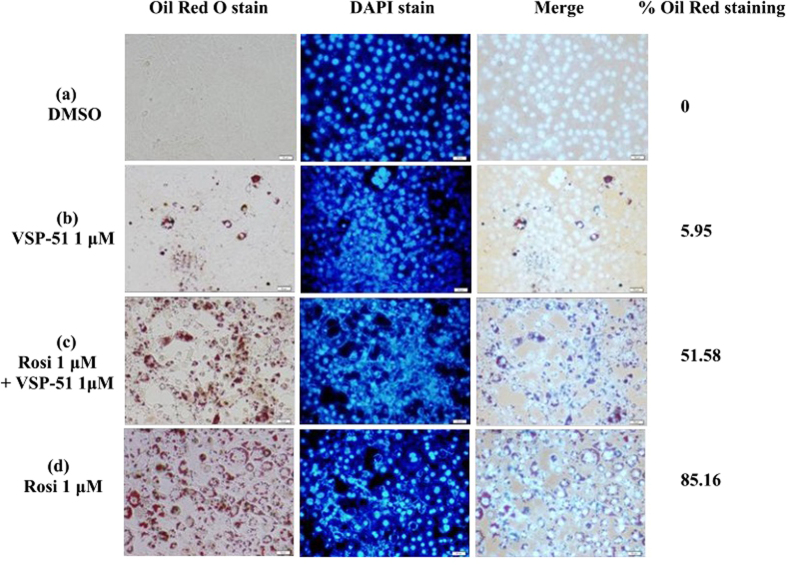
Lipid accumulation in differentiated 3T3-L1 cells treated with Rosi or VSP-51 following Oil Red O staining. 3T3-L1 fibroblast cells were induced by treatment with 1 μM of dexamethasone, 0.5 mM of isobutylmethylxanthine, and 850 nM of insulin for 48 h and cells were switched to maintenance medium containing 850 nM of insulin for 6 days.
Figure 5
Figure 5
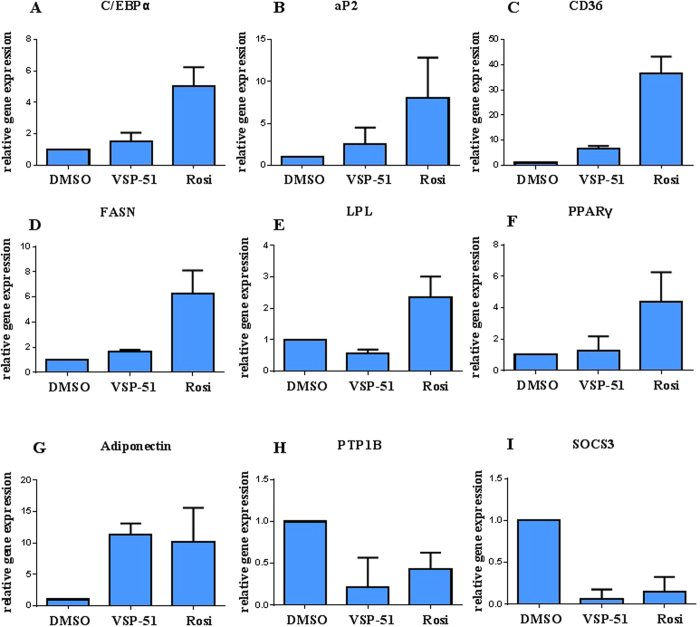
Expression of adipocyte-enriched (AF) and insulin sensitivity-related (GI) genes in 3T3-L1 cells was analyzed by quantitative PCR (qPCR). Relative mRNA levels of the adipocyte differentiation genes C/EBPα (adipogenic transcription factor CCAAT-enhancer-binding protein α), aP2 (fatty acid carrier adipocyte Protein 2), CD36 (fatty acid translocase cluster of differentiation 36), FASN (fatty acid synthase), and LPL (lipoprotein lipase), as well as PTP1B (protein tyrosine phosphatase 1B), SOCS3 (suppressor of cytokine signaling 3), and Adiponectin mRNA extracted from differentiating cells after 7 days (n = 3, error bars = SEM).
Figure 6
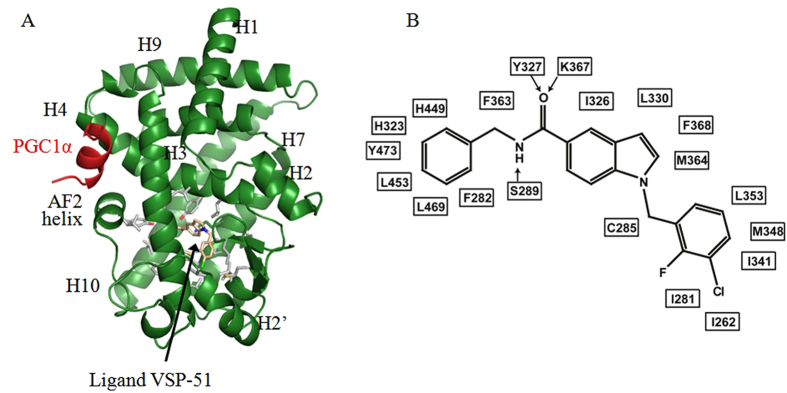
Figure 6. Crystal structure of PPARγ LBD in complex with VSP-51.
(A) The overall PPARγ LBD structure (green) in complex with compound VSP-51 (pink) and a PGC1α peptide (red). Labeled are major secondary structure features, and the compound. The residues surrounding the compound are presented as sticks with carbons in grey, nitrogens in blue, and oxygens in red. (B) A schematic presentation of the interaction network between compound VSP-51 and the pocket residues of PPARγ. Arrows indicate H-bonds.
Figure 7
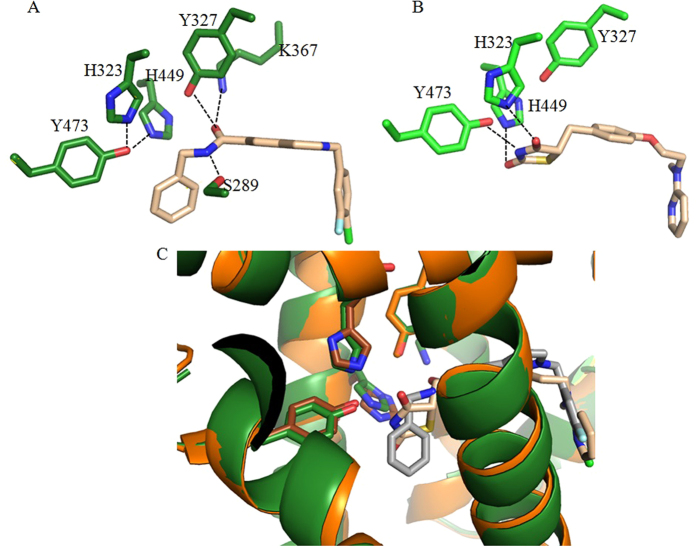
Figure 7
The PPARγ hydrogen bonding networks for VSP-51 (A) and Rosi (B). (C) Superposition of PPARγ structures in complex with VSP-51 (dark green) and Rosi (brown).
Figure 8
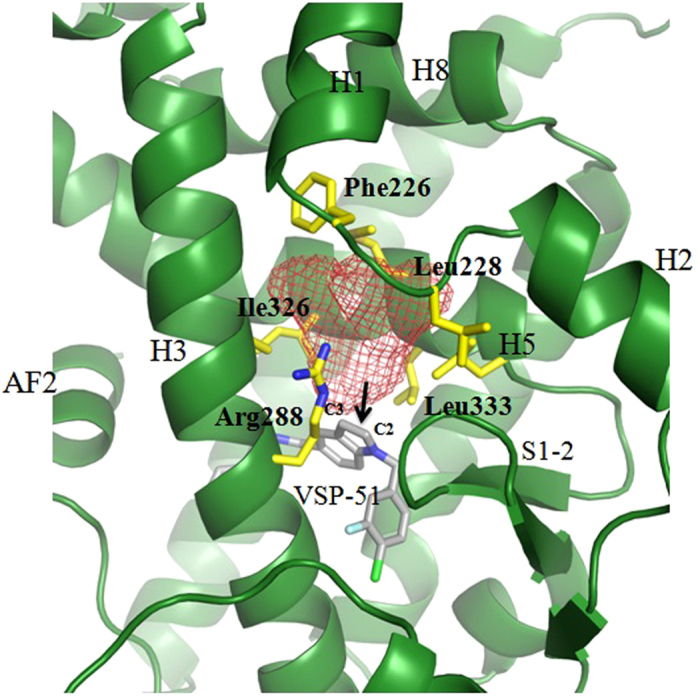
Figure 8. Structure-based discovery of C2 or/and C3-positions of the indole nucleus as a new starting point for future development of new pharmacophores selectively targeting PPARγ.
The mesh indicates the available pocket space near the C2 and C3 positions of the indole core in the ligand.

References

    1. Issemann I. & Green S. Activation of a member of the steroid hormone receptor superfamily by peroxisome proliferators. Nature 347, 645–650 (1990). - PubMed
    1. Tontonoz P., Hu E. & Spiegelman B. M. Stimulation of adipogenesis in fibroblasts by PPARγ2, a lipid-activated transcription factor. Cell 79, 1147–1156 (1994). - PubMed
    1. Willson T. M., Lambert M. H. & Kliewer S. A. Peroxisome proliferator-activated receptor gamma and metabolic disease. Annu. Rev. Biochem. 70, 341–67 (2001). - PubMed
    1. Kliewer S. A., Xu H. E., Lambert M. H. & Willson T. M. Peroxisome proliferator-activated receptor: from genes to physiology. Recent Prog. Horm. Res. 56, 239–263 (2001). - PubMed
    1. Oakes N. D. et al. A new antidiabetic agent, BRL 49653, reduces lipid availability and improves insulin action and glucoregulation in the rat. Diabetes 43, 1203–1210 (1994). - PubMed

Publication types