Idiosyncratic drug reactions and membranous glomerulopathy
- PMID: 28137906
- PMCID: PMC5293966
- DOI: 10.1136/bcr-2016-218496
Idiosyncratic drug reactions and membranous glomerulopathy
Abstract
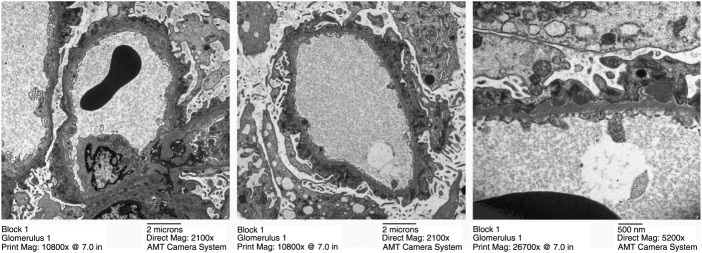
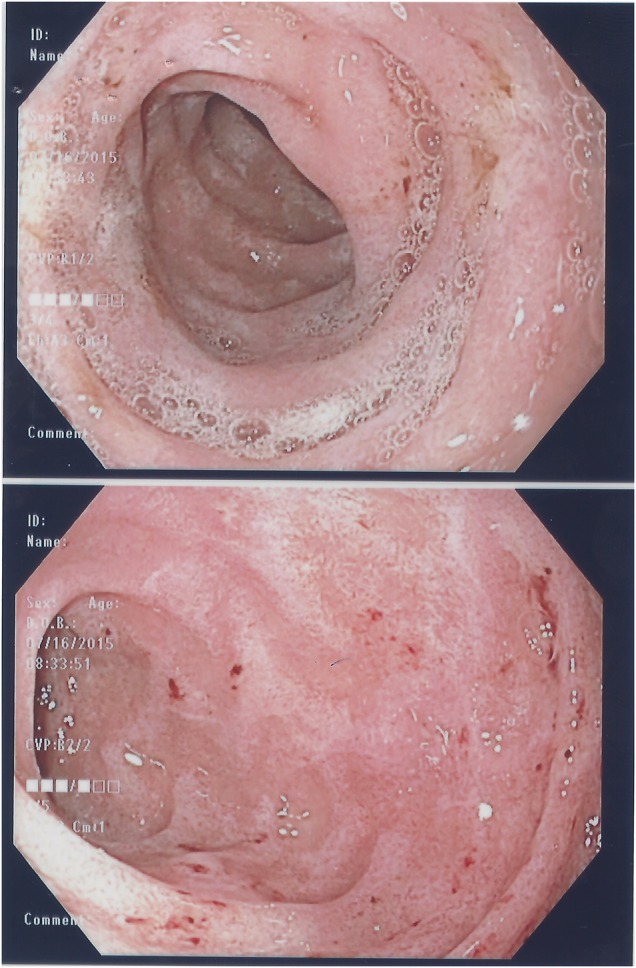
An infant boy with steroid-resistant nephrotic syndrome (idiopathic membranous glomerulonephropathy) achieved remission with ciclosporin but developed eosinophilia and high IgE levels (max 19 000 iU/mL). Conversion to tacrolimus resulted in chronic diarrhoea (eosinophilic gastroenteritis), muscle weakness, polyserositis and failure-to-thrive. In contrast, a trial without tacrolimus resulted in a ciclosporin-responsive relapse, therapy-resistant focal seizures with generalised spikes, worsening muscle weakness and diarrhoea. The patient was weaned off of ciclosporin and completely normalised. In vitro testing demonstrated decreased viability of the patient's cells when incubated with calcineurin inhibitors (ciclosporin, 70%; tacrolimus, 80% compared to control cells), supporting their role in this adverse drug reaction.
2017 BMJ Publishing Group Ltd.
Conflict of interest statement
Competing interests: None declared.
Figures
References
Publication types
MeSH terms
Substances
Supplementary concepts
LinkOut - more resources
Full Text Sources
Other Literature Sources
Medical