


An aging-independent replicative lifespan in a symmetrically dividing eukaryote
- PMID: 28139976
- PMCID: PMC5332158
- DOI: 10.7554/eLife.20340
An aging-independent replicative lifespan in a symmetrically dividing eukaryote
Abstract
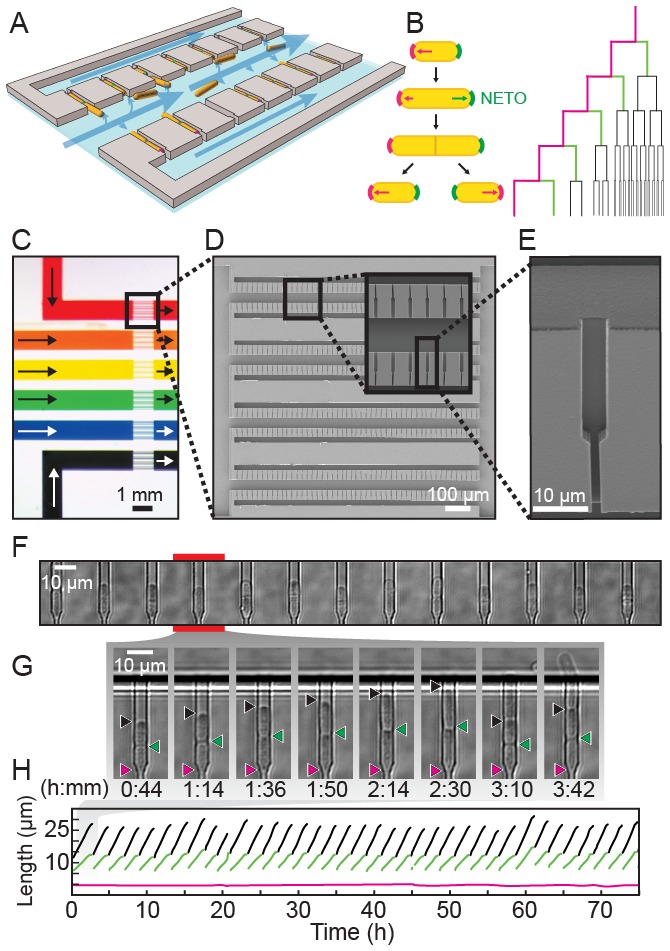
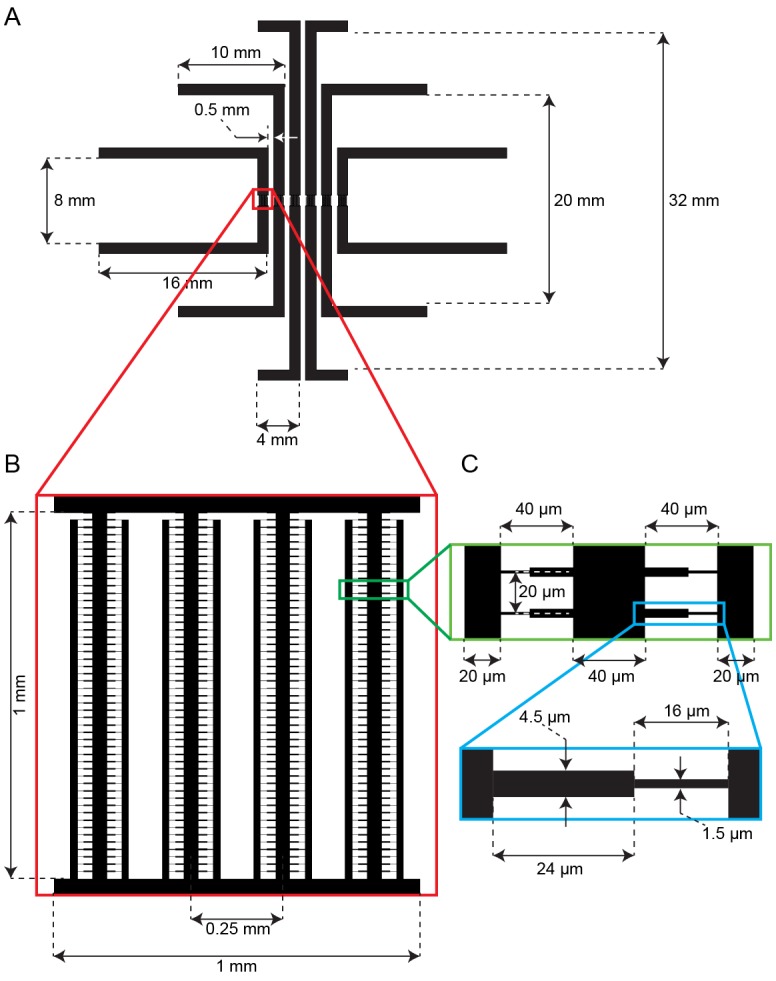
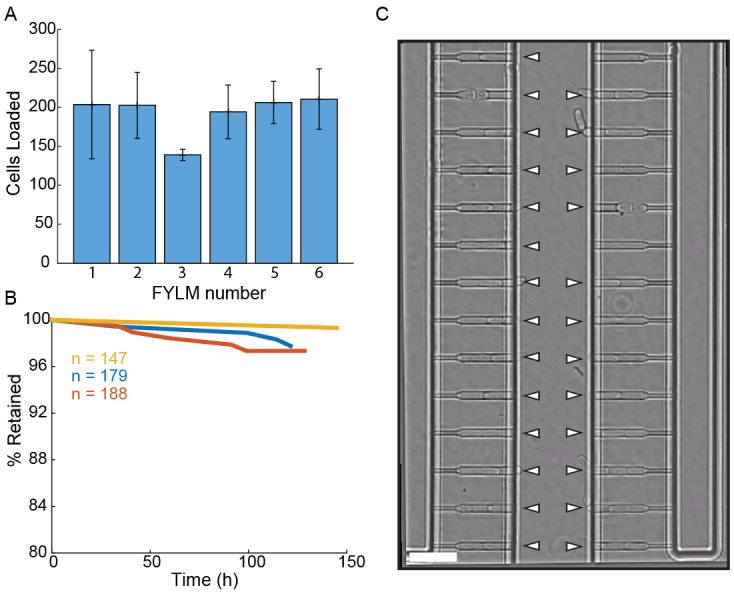
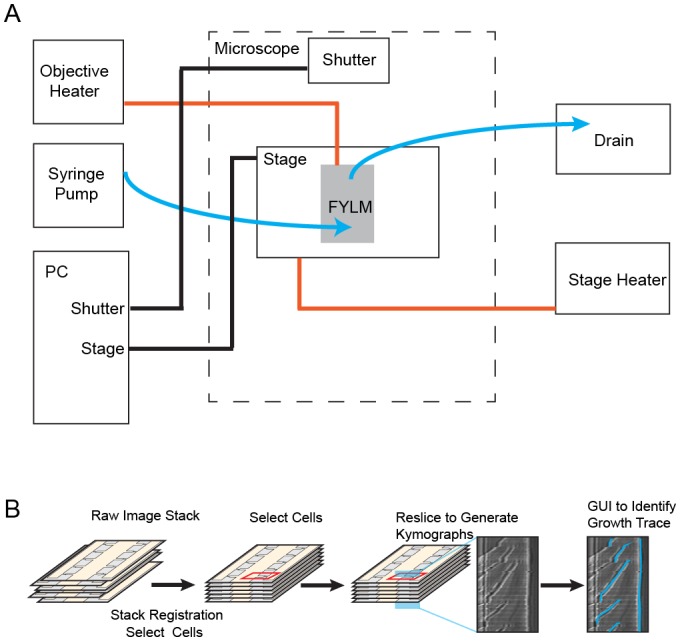
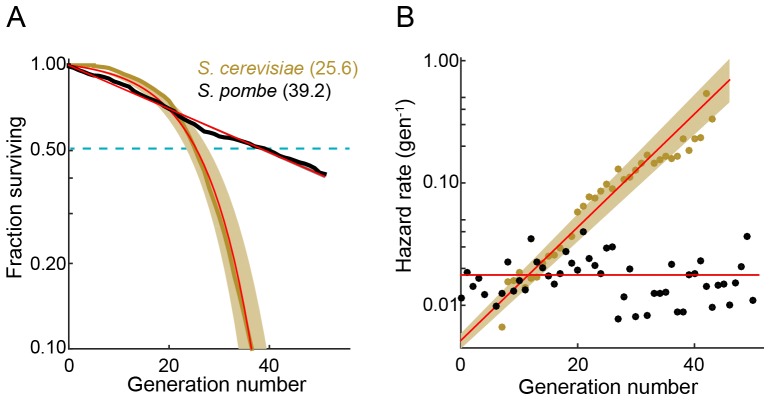
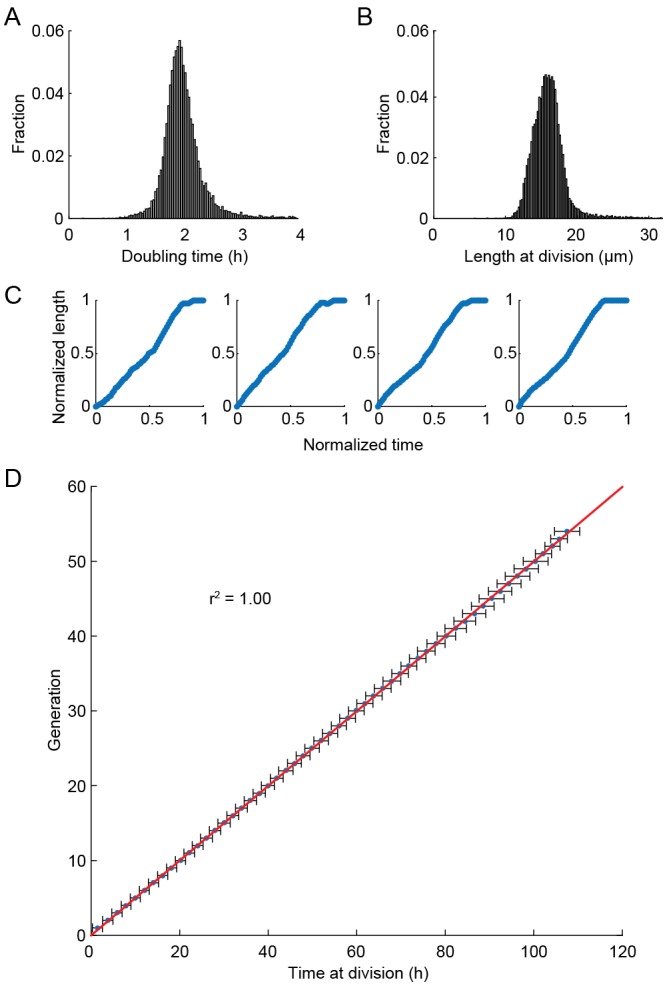
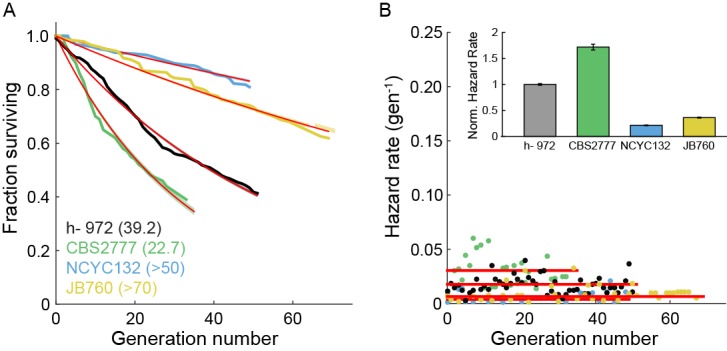
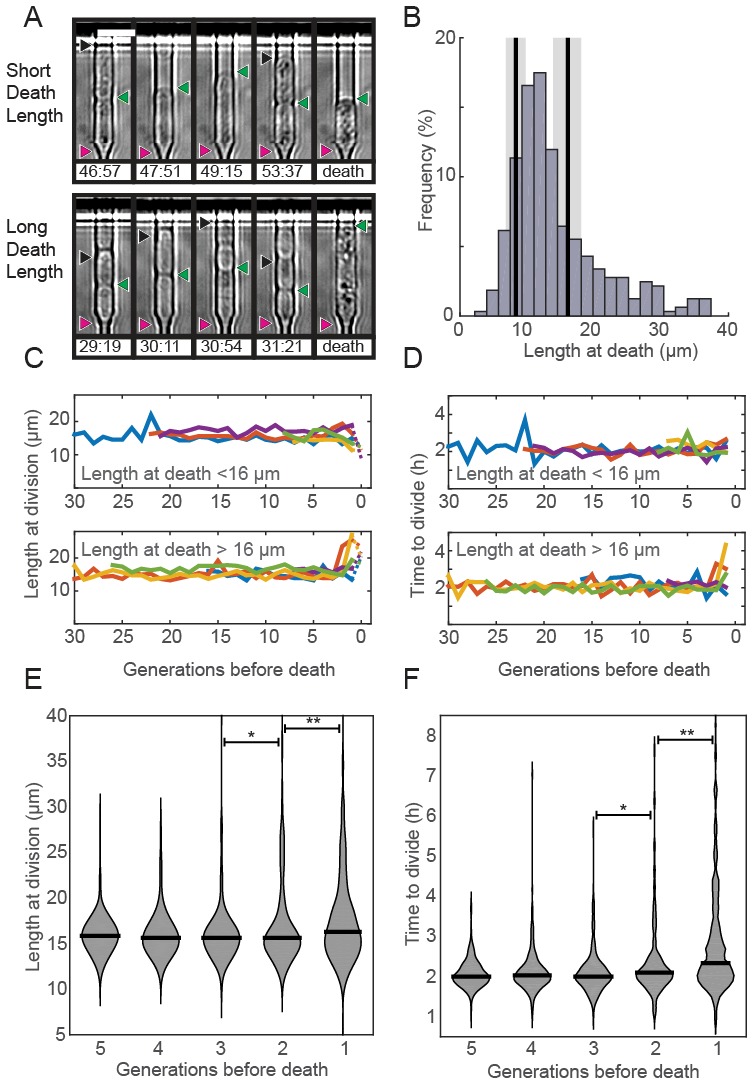
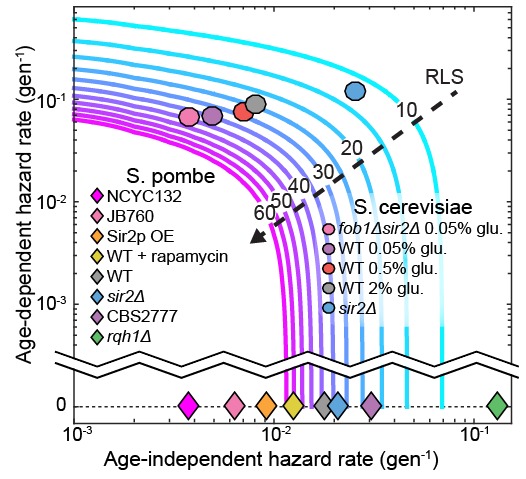
The replicative lifespan (RLS) of a cell-defined as the number of cell divisions before death-has informed our understanding of the mechanisms of cellular aging. However, little is known about aging and longevity in symmetrically dividing eukaryotic cells because most prior studies have used budding yeast for RLS studies. Here, we describe a multiplexed fission yeast lifespan micro-dissector (multFYLM) and an associated image processing pipeline for performing high-throughput and automated single-cell micro-dissection. Using the multFYLM, we observe continuous replication of hundreds of individual fission yeast cells for over seventy-five generations. Surprisingly, cells die without the classic hallmarks of cellular aging, such as progressive changes in size, doubling time, or sibling health. Genetic perturbations and drugs can extend the RLS via an aging-independent mechanism. Using a quantitative model to analyze these results, we conclude that fission yeast does not age and that cellular aging and replicative lifespan can be uncoupled in a eukaryotic cell.
Keywords: S. pombe; aging; biophysics; cell biology; fission yeast; microfluidics; microscopy; replicative lifespan; single cell; structural biology.
Conflict of interest statement
The authors declare that no competing interests exist.
Figures
References
MeSH terms
Grants and funding
LinkOut - more resources
Full Text Sources
Other Literature Sources
Molecular Biology Databases
Research Materials
