


Socio-demographic characteristics and psychosocial consequences of sickle cell disease: the case of patients in a public hospital in Ghana
- PMID: 28143586
- PMCID: PMC5282775
- DOI: 10.1186/s41043-017-0081-5
Socio-demographic characteristics and psychosocial consequences of sickle cell disease: the case of patients in a public hospital in Ghana
Abstract
Background: Sickle cell disease (SCD) is of major public health concern globally, with majority of patients living in Africa. Despite its relevance, there is a dearth of research to determine the socio-demographic distribution and psychosocial impact of SCD in Ghana. The objective of this study was to examine the socio-demographic distribution and psychosocial consequences of SCD among patients in Ghana and to assess their quality of life and coping mechanisms.
Methods: A cross-sectional research design was used that involved the completion of questionnaires on socio-demographic characteristics, quality of life, coping mechanisms, anxiety and depression. Participants were 387 male and female patients attending a sickle cell clinic in a public hospital.
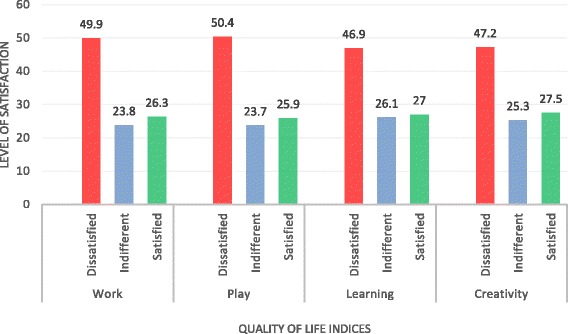
Results: Results showed that majority of the patients were single, female, less than 39 years old and had attained secondary school level of education or less. Also, patients were more satisfied by the presence of love, friends and relatives as well as home, community and neighbourhood environment. While pains of varied nature and severity were the major reasons for attending hospital in SCD condition, going to the hospital as well as having faith in God was the most frequently reported mechanisms for coping with an unbearable SCD attacks. Results of multiple regression analysis showed that some socio-demographic and quality of life indicators had strong associations with anxiety and/or depression.
Conclusions: It is recommended that a holistic intervention strategy incorporating psychosocial dimensions should be considered in the treatment and management of SCD.
Keywords: Anxiety; Depression; Ghana; Quality of life; Sickle cell disease; Socio-demographic characteristics.
Figures



References
-
- WHO. Sickle-cell anaemia. Annual report: fifty-ninth world health assembly. Geneva: Author; 2006.
-
- Myjoyonline.com (2016). KATH records 6,000 newborn sickle cell babies. Retrieved on 13/03/16 from http://www.myjoyonline.com/news/2016/march-11th/kath-manages-6000-newbor.... Accessed 13 Mar 2016.
MeSH terms
LinkOut - more resources
Full Text Sources
Other Literature Sources
Medical
