Antibiotic resistance potential of the healthy preterm infant gut microbiome
- PMID: 28149696
- PMCID: PMC5270596
- DOI: 10.7717/peerj.2928
Antibiotic resistance potential of the healthy preterm infant gut microbiome
Abstract
Background: Few studies have investigated the gut microbiome of infants, fewer still preterm infants. In this study we sought to quantify and interrogate the resistome within a cohort of premature infants using shotgun metagenomic sequencing. We describe the gut microbiomes from preterm but healthy infants, characterising the taxonomic diversity identified and frequency of antibiotic resistance genes detected.
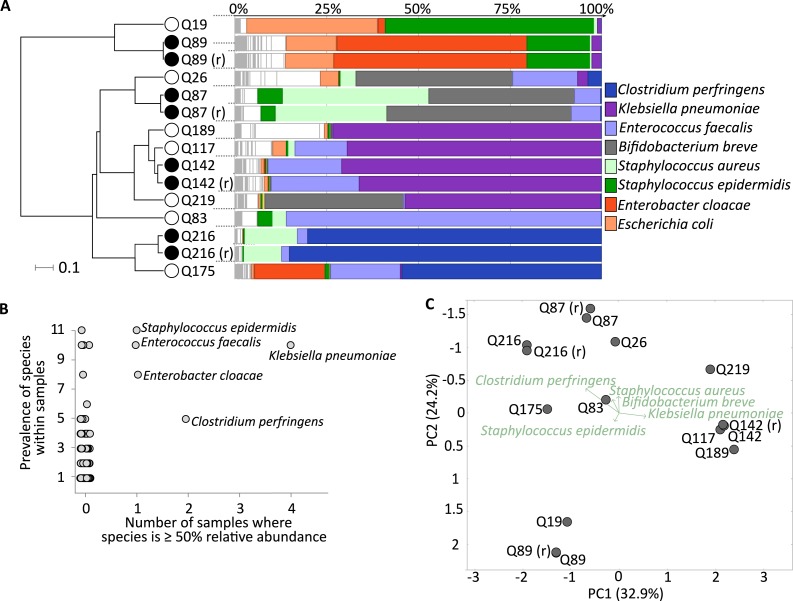
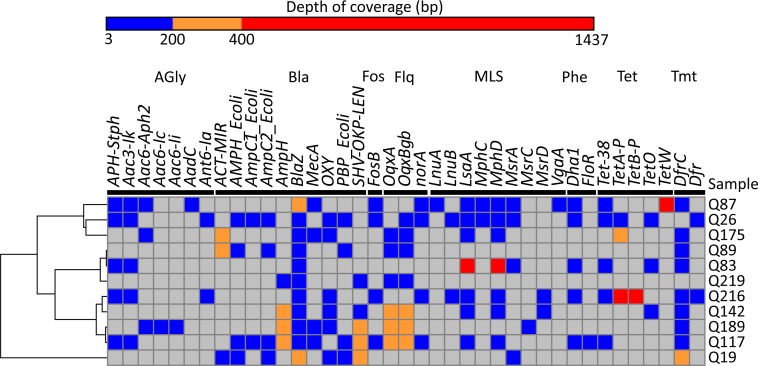
Results: Dominant clinically important species identified within the microbiomes included C. perfringens, K. pneumoniae and members of the Staphylococci and Enterobacter genera. Screening at the gene level we identified an average of 13 antimicrobial resistance genes per preterm infant, ranging across eight different antibiotic classes, including aminoglycosides and fluoroquinolones. Some antibiotic resistance genes were associated with clinically relevant bacteria, including the identification of mecA and high levels of Staphylococci within some infants. We were able to demonstrate that in a third of the infants the S. aureus identified was unrelated using MLST or metagenome assembly, but low abundance prevented such analysis within the remaining samples.
Conclusions: We found that the healthy preterm infant gut microbiomes in this study harboured a significant diversity of antibiotic resistance genes. This broad picture of resistances and the wider taxonomic diversity identified raises further caution to the use of antibiotics without consideration of the resident microbial communities.
Keywords: Antibiotic resistance; Gut microbiome; Preterm infants; Shotgun metagenomics.
Conflict of interest statement
The authors declare there are no competing interests.
Figures
References
-
- Andrews S. FastQC: a quality control tool for high throughput sequence data. http://www.bioinformatics.babraham.ac.uk/projects/fastqc 2010
-
- Arboleya S, Sanchez B, Milani C, Duranti S, Solis G, Fernandez N, De los Reyes-Gavilan CG, Ventura M, Margolles A, Gueimonde M. Intestinal microbiota development in preterm neonates and effect of perinatal antibiotics. Journal of Pediatrics. 2015;166(3):538–544. doi: 10.1016/j.jpeds.2014.09.041. - DOI - PubMed
LinkOut - more resources
Full Text Sources
Other Literature Sources