Review
. 2017 Mar;38(1):11-19.
doi: 10.1016/j.ccm.2016.11.001. Epub 2016 Dec 10.

The Virome of the Human Respiratory Tract

Affiliations
Review

The Virome of the Human Respiratory Tract

Kristine M Wylie. Clin Chest Med. 2017 Mar.

Abstract

The human respiratory tract virome is defined here as the viruses present in the human respiratory tract that can infect human cells. Sensitive, culture-independent molecular assays (polymerase chain reaction and high-throughput sequencing) reveal that in addition to common viruses that cause acute, symptomatic infections the virome also includes viruses that do not cause clinical symptoms, have unknown pathogenic effect, or cause symptoms but are not among the most common viral respiratory tract pathogens. These molecular tools provide means for better defining the virome and studying the effects of viral infections on the dynamics of chronic lung diseases.

Keywords: Chronic lung disease; Culture independent; Diagnostics; High-throughput sequencing; Infection; Lung; Virus.


Figures

Fig. 1
Fig. 1
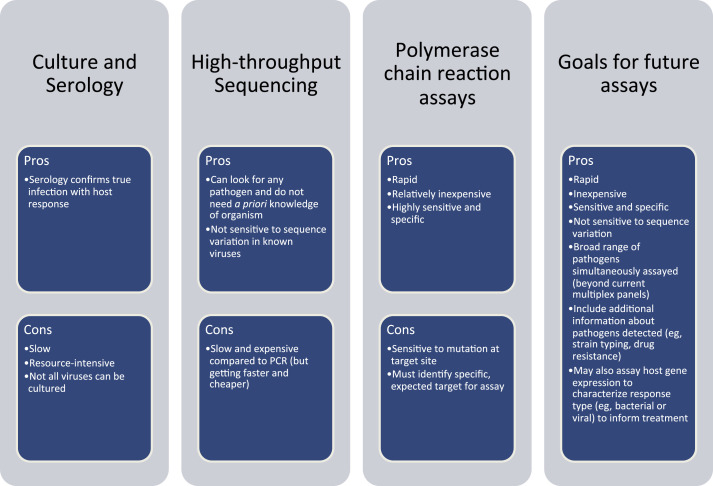
Methods for characterizing viruses in the respiratory tract. Current molecular methods, such as PCR and HTS, have clear advantages over older methods (culture and serology) in terms of cost, speed, and sensitivity. Future assays for research and diagnostics will be aimed at capturing and improving on the best features of the current methods.
Fig. 2
Fig. 2
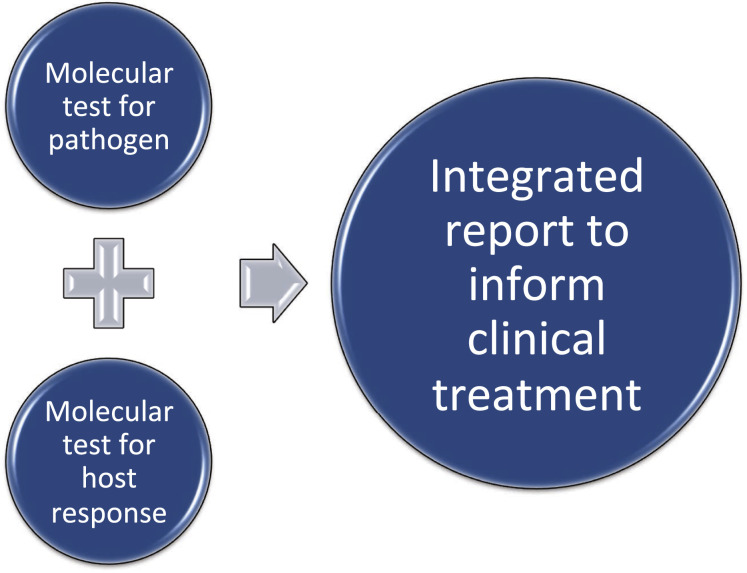
Future diagnostics. In the future, respiratory tract infections may be diagnosed by merging pathogen detection (the current method for diagnostics) with host response measures that further define the cause of the symptoms (viral, bacterial, coinfections, not pathogenic). This merger will help clarify diagnoses and define appropriate treatment measures.

References

    1. Byington C.L., Ampofo K., Stockmann C. Community surveillance of respiratory viruses among families in the Utah better identification of germs-longitudinal viral epidemiology (BIG-LoVE) study. Clin Infect Dis. 2015;61(8):1217–1224. - PMC - PubMed
    1. Monto A.S. Studies of the community and family: acute respiratory illness and infection. Epidemiol Rev. 1994;16(2):351–373. - PMC - PubMed
    1. Willner D., Haynes M.R., Furlan M. Case studies of the spatial heterogeneity of DNA viruses in the cystic fibrosis lung. Am J Respir Cell Mol Biol. 2012;46(2):127–131. - PMC - PubMed
    1. Lysholm F., Wetterbom A., Lindau C. Characterization of the viral microbiome in patients with severe lower respiratory tract infections, using metagenomic sequencing. PLoS One. 2012;7(2):e30875. Highlander SK. - PMC - PubMed
    1. Wang Y., Zhu N., Li Y. Metagenomic analysis of viral genetic diversity in respiratory samples from children with severe acute respiratory infection in China. Clin Microbiol Infect. 2016;22(5):458.e1-e9. - PMC - PubMed

MeSH terms