


Characteristics, chemical compositions and biological activities of propolis from Al-Bahah, Saudi Arabia
- PMID: 28165013
- PMCID: PMC5292687
- DOI: 10.1038/srep41453
Characteristics, chemical compositions and biological activities of propolis from Al-Bahah, Saudi Arabia
Abstract
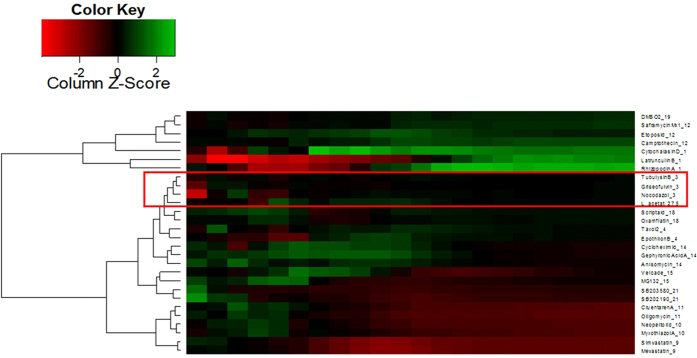
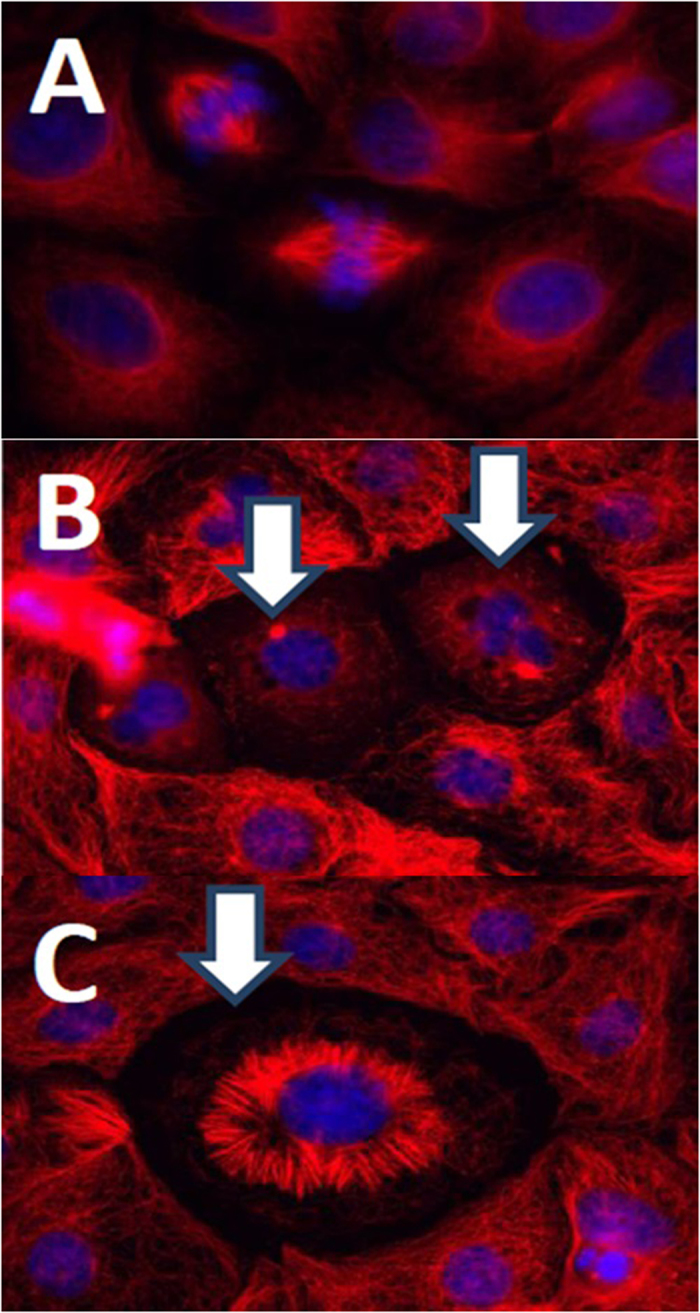
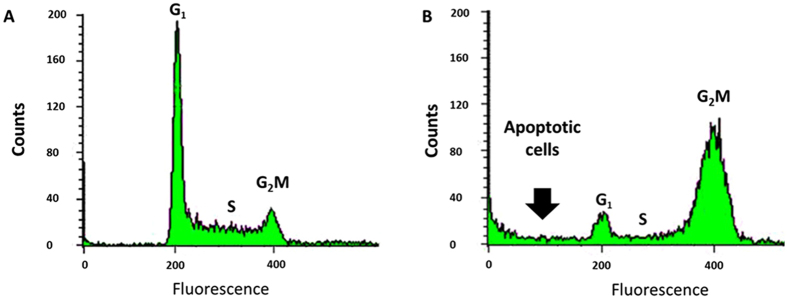
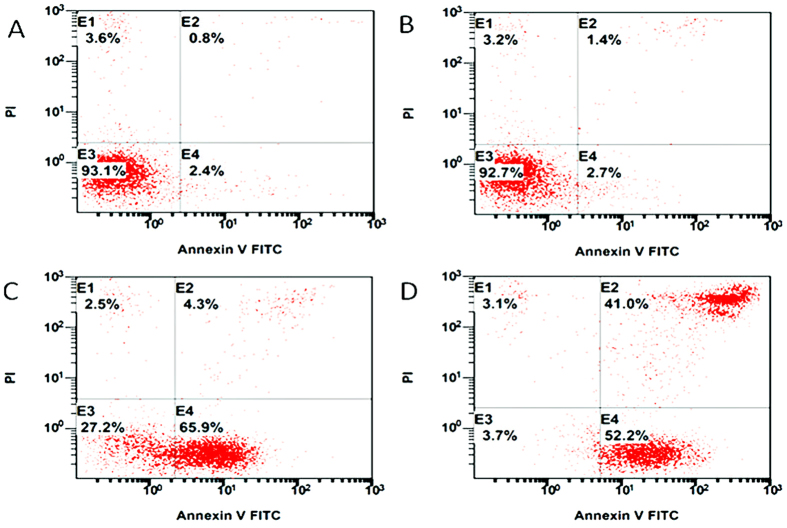
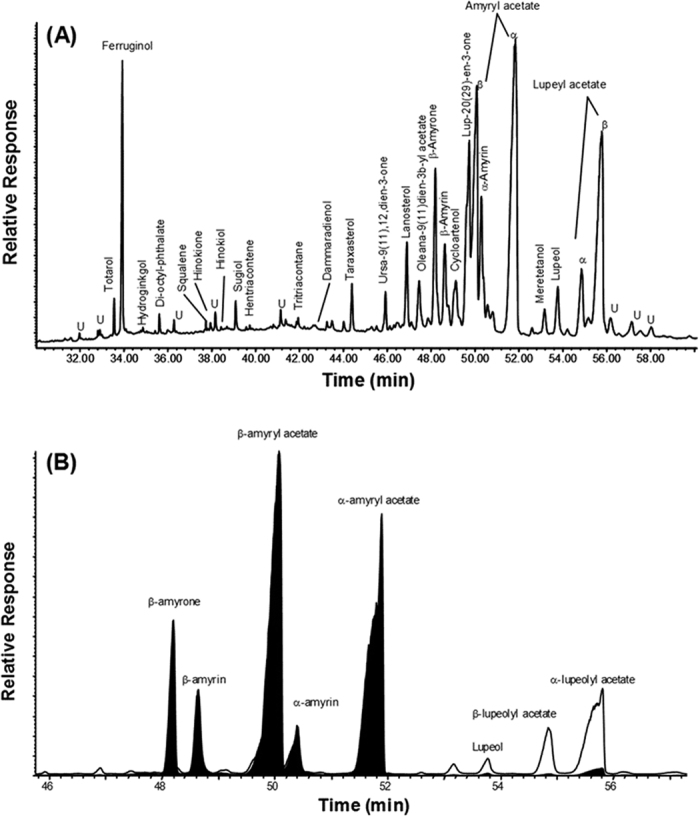
Propolis has been used to treat several diseases since ancient times, and is an important source of bioactive natural compounds and drug derivatives. These properties have kept the interest of investigators around the world, leading to the investigation of the chemical and biological properties and application of propolis. In this report, the chemical constituents that are responsible for the anticancer activities of propolis were analyzed. The propolis was sourced from Al-Baha in the southern part of the Kingdom of Saudi Arabia. Standard protocols for chemical fractionation and bioactivity-guided chemical analysis were used to identify the bio-active ethyl acetate fraction. The extraction was performed in methanol and then analyzed by gas chromatography-mass spectrometry (GC-MS). The major compounds are triterpenoids, with a relative concentration of 74.0%; steroids, with a relative concentration of 9.8%; and diterpenoids, with a relative concentration of 7.9%. The biological activity was characterized using different approaches and cell-based assays. Propolis was found to inhibit the proliferation of cancer cells in a concentration-dependent manner through apoptosis. Immunofluorescence staining with anti-α-tubulin antibodies and cell cycle analysis indicated that tubulin and/or microtubules are the cellular targets of the L-acetate fraction. This study demonstrates the importance of Saudi propolis as anti-cancer drug candidates.
Conflict of interest statement
The authors declare no competing financial interests.
Figures
References
-
- Walker F. E. Paclitaxel (TAXOL): side effects and patient education issues. Seminars in oncology nursing 9, 6–10 (1993). - PubMed
-
- Uchida J. et al. Comparison of side effects caused by intra-arterial and intravenous infusion of M-VAC (methotrexate, vinblastine, adriamycin and cisplatin) for urothelial cancer. Hinyokika kiyo. Acta urologica Japonica 43, 637–640 (1997). - PubMed
-
- Brockmann B., Geschke E., Schmidt U. M. & Ebeling K. Therapeutic results and toxic side effects of the cytostasan, adriamycin and vincristine combination as second line therapy in metastatic breast cancer. Geburtshilfe und Frauenheilkunde 51, 383–386, doi: 10.1055/s-2007-1026163 (1991). - DOI - PubMed
-
- Brockmann B., Kirchhof I., Geschke E. & Schmidt U. M. Therapeutic results and toxic side effects of the combination cytostasan, adriamycin and vincristine as second-line therapy of metastatic breast cancer. Archiv fur Geschwulstforschung 59, 341–346 (1989). - PubMed
Publication types
MeSH terms
Substances
LinkOut - more resources
Full Text Sources
Other Literature Sources
Molecular Biology Databases
Miscellaneous
