


Echocardiography for patients undergoing extracorporeal cardiopulmonary resuscitation: a primer for intensive care physicians
- PMID: 28168038
- PMCID: PMC5288871
- DOI: 10.1186/s40560-017-0211-6
Echocardiography for patients undergoing extracorporeal cardiopulmonary resuscitation: a primer for intensive care physicians
Abstract
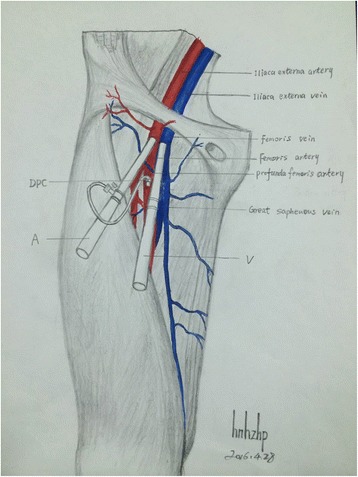
Echocardiography is an invaluable tool in the management of patients with extracorporeal cardiopulmonary resuscitation (ECPR) and subsequent extracorporeal membrane oxygenation (ECMO) support and weaning. At the very beginning, echocardiography can identify the etiology of cardiac arrest, such as massive pulmonary embolism and cardiac tamponade. Eliminating these culprits saves life and may avoid the initiation of extracorporeal cardiopulmonary resuscitation. If the underlying causes are not identified or intrinsic to the heart (e.g., such as those caused by cardiomyopathy and myocarditis), conventional cardiopulmonary resuscitation (CCPR) will continue to maintain cardiac output. The quality of CCPR can be monitored, and if cardiac output cannot be maintained, early institution of extracorporeal cardiopulmonary resuscitation may be reasonable. Cannulation is sometimes challenging for extracorporeal cardiopulmonary resuscitation patients. Fortunately, with the help of ultrasonography procedures including localization of vessels, selecting a cannula of appropriate size and confirmation of catheter tip may become easy under sophisticated hand. Monitoring of cardiac function and complications during extracorporeal membrane oxygenation support can be done with echocardiography. However, the cardiac parameters should be interpreted with understanding of hemodynamic configuration of extracorporeal membrane oxygenation. Thrombus and blood stasis can be identified with ultrasound, which may prompt mechanical and pharmacological interventions. The final step is extracorporeal membrane oxygenation weaning. A number of studies investigated the accuracy of some echocardiographic parameters in predicting success rate and demonstrated promising results. Parameters and threshold for successful weaning include aortic VTI ≥ 10 cm, LVEF > 20-25%, and lateral mitral annulus peak systolic velocity >6 cm/s. However, the effectiveness of echocardiography in ECPR patients cannot be determined in observational studies and requires randomized controlled trials in the future. The contents in this review are well known to echocardiography specialists; thus, it should be used as an educational material for emergency or intensive care physicians. There is a trend that focused echocardiography is performed by intensivists and emergency physicians.
Keywords: Cardiac arrest; Critical care; Echocardiography; Extracorporeal cardiopulmonary resuscitation; Thromboembolism.
Figures
References
-
- Gräsner J-T, Bossaert L. Epidemiology and management of cardiac arrest: what registries are revealing. Best Pract Res Clin Anaesthesiol. Elsevier; 2013;27:293–306 - PubMed
-
- Nürnberger A, Sterz F, Malzer R, Warenits A, Girsa M, Stöckl M, et al. Out of hospital cardiac arrest in Vienna: incidence and outcome. Resuscitation. Elsevier; 2013;84:42–7 - PubMed
-
- Rossano JW, Naim MY, Nadkarni VM, Berg RA. Epidemiology of pediatric cardiac arrest. pediatric and congenital cardiology, cardiac surgery and intensive care. London: Springer London; 2013. pp. 1275–1287.
-
- Travers AH, Perkins GD, Berg RA, Castren M, Considine J, Escalante R, et al. Part 3: adult basic life support and automated external defibrillation: 2015 International Consensus on Cardiopulmonary Resuscitation and Emergency Cardiovascular Care Science With Treatment Recommendations. Circulation. 2015;132(16 Suppl 1):S51–83. - PubMed
Publication types
LinkOut - more resources
Full Text Sources
Other Literature Sources
