Global Population Genetic Analysis of Aspergillus fumigatus
- PMID: 28168221
- PMCID: PMC5288565
- DOI: 10.1128/mSphere.00019-17
Global Population Genetic Analysis of Aspergillus fumigatus
Abstract
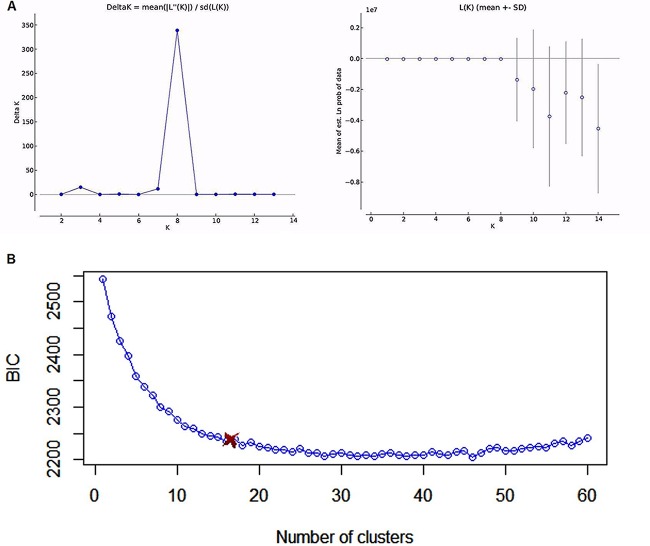
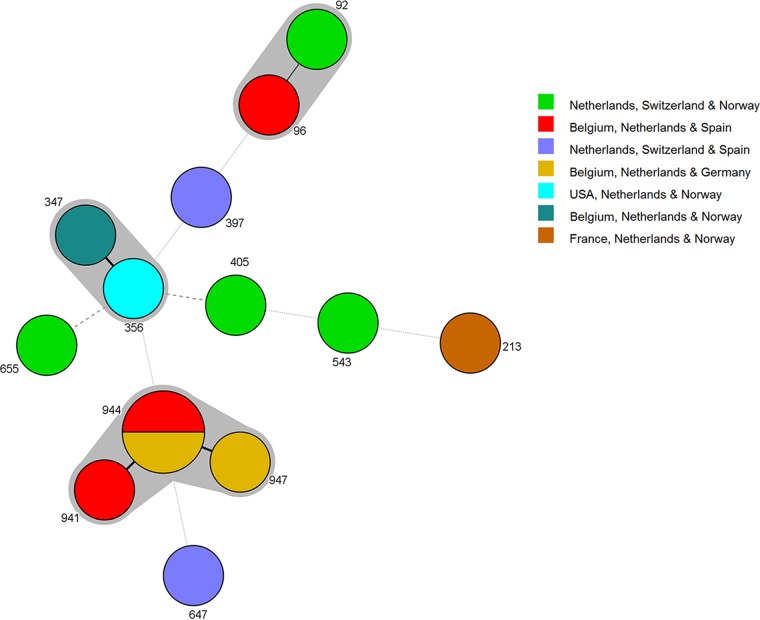
Aspergillus fumigatus is a ubiquitous opportunistic fungal pathogen capable of causing invasive aspergillosis, a globally distributed disease with a mortality rate of up to 90% in high-risk populations. Effective control and prevention of this disease require a thorough understanding of its epidemiology. However, despite significant efforts, the global molecular epidemiology of A. fumigatus remains poorly understood. In this study, we analyzed 2,026 A. fumigatus isolates from 13 countries in four continents using nine highly polymorphic microsatellite markers. Genetic cluster analyses suggest that our global sample of A. fumigatus isolates belonged to eight genetic clusters, with seven of the eight clusters showing broad geographic distributions. We found common signatures of sexual recombination within individual genetic clusters and clear evidence of hybridization between several clusters. Limited but statistically significant genetic differentiations were found among geographic and ecological populations. However, there was abundant evidence for gene flow at the local, regional, and global scales. Interestingly, the triazole-susceptible and triazole-resistant populations showed different population structures, consistent with antifungal drug pressure playing a significant role in local adaptation. Our results suggest that global populations of A. fumigatus are shaped by historical differentiation, contemporary gene flow, sexual reproduction, and the localized antifungal drug selection that is driving clonal expansion of genotypes resistant to multiple triazole drugs. IMPORTANCE The genetic diversity and geographic structure of the human fungal pathogen A. fumigatus have been the subject of many studies. However, most previous studies had relatively limited sample ranges and sizes and/or used genetic markers with low-level polymorphisms. In this paper, we characterize a global collection of strains of A. fumigatus using a panel of 9 highly polymorphic microsatellite markers. Using these markers, we analyze 2,026 isolates, which is ~3 times the number of isolates reported so far in previous studies. Our analyses suggest that A. fumigatus contains historically differentiated genetic populations but that its evolution is significantly impacted by contemporary forces such as widespread gene flow and local antifungal drug pressure. In the wake of a global rise in resistance to azoles in fungal pathogens, our findings should aid in developing management strategies to mitigate current increases to azole resistance.
Keywords: Aspergillus fumigatus; ecological structure; gene flow; genetic populations; genetic recombination; geographic structure; microsatellite markers; triazole drug selection.
Figures
References
LinkOut - more resources
Full Text Sources
Other Literature Sources