


Production of Potent Antimicrobial Compounds from Streptomyces cyaneofuscatus Associated with Fresh Water Sediment
- PMID: 28179900
- PMCID: PMC5263160
- DOI: 10.3389/fmicb.2017.00068
Production of Potent Antimicrobial Compounds from Streptomyces cyaneofuscatus Associated with Fresh Water Sediment
Retraction in
-
Retraction: Production of Potent Antimicrobial Compounds from Streptomyces cyaneofuscatus Associated with Fresh Water Sediment.Front Microbiol. 2018 Jul 10;9:1681. doi: 10.3389/fmicb.2018.01681. eCollection 2018. Front Microbiol. 2018. PMID: 30034387 Free PMC article.
Abstract
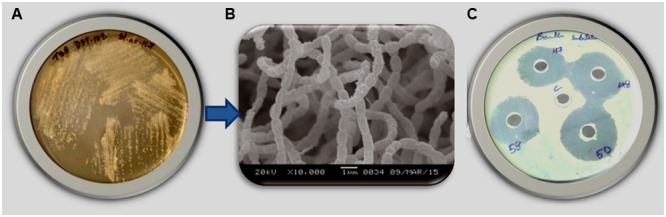
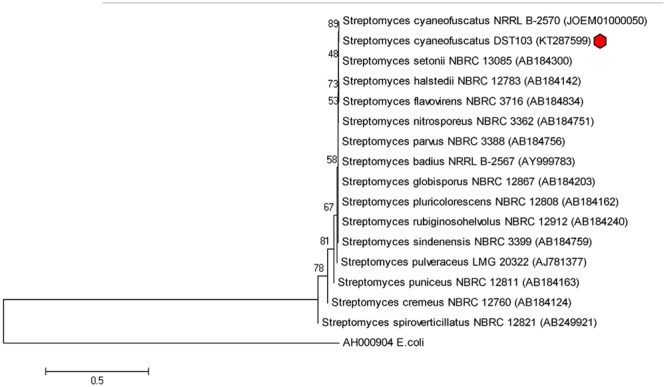
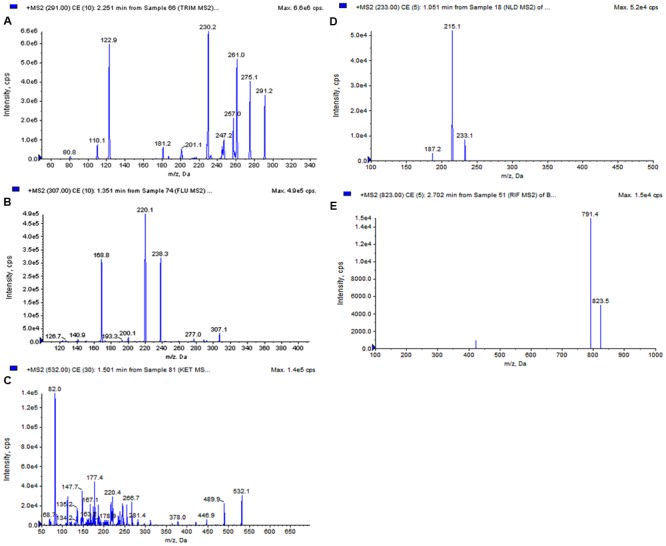
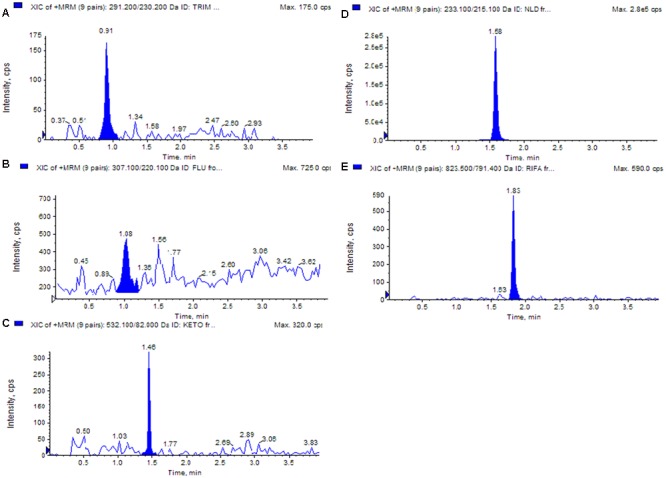
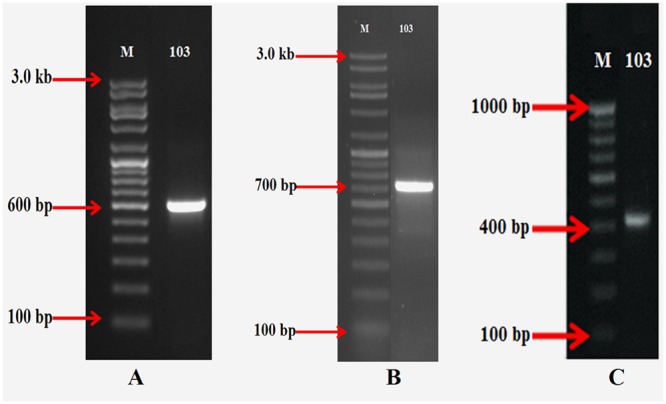
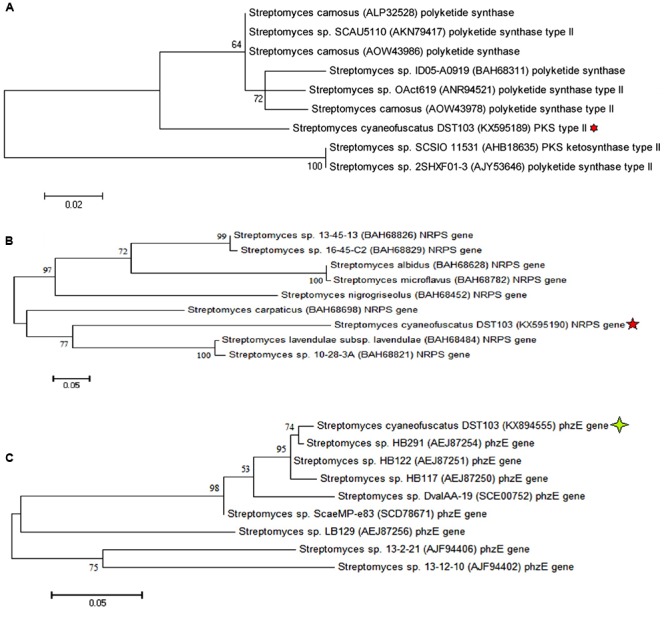
The genus Streptomyces under phylum actinobacteria has been recognized as a prolific source for the production of bioactive secondary metabolites. An actinobacterial strain designated as DST103 isolated from a wetland fresh water sediment of Tamdil Lake, Mizoram, Northeast, India was identified as Streptomyces cyaneofuscatus (KY287599) using 16SrRNA gene sequencing which shares 99.87% sequence similarity with Streptomyces cyaneofuscatus NRRL B-2570 T . The strain showed broad spectrum antimicrobial activities against Gram negative bacteria (Escherichia coli MTCC 739 and Pseudomonas aeruginosa MTCC 2453), Gram positive bacteria (Micrococcus luteus NCIM 2170 and Staphylococcus aureus MTCC 96) and yeast pathogen Candida albicans MTCC 3017). The methanolic extract of the strain DST103 exhibited highest antimicrobial activity against E. coli (IC50 = 2.10 μg/mL) and minimum activity against S. aureus (IC50 = 43.63 μg/mL). Five antibiotics [trimethoprim (18 μg/g), fluconazole (6 μg/g), ketoconazole (18 μg/g), nalidixic acid (135 μg/g), and rifampicin (56 μg/g)] were detected and quantified using ultra-performance liquid chromatography (UPLC-ESI-MS/MS). Further, biosynthetic potential genes [polyketide synthases type II, non-ribosomal peptide synthetases, and aminodeoxyisochorismate synthase (phzE)] were also detected in strain DST103 which may possibly be responsible for the production of antimicrobial compounds. Additionally, gas chromatography-mass spectrometry analysis showed the presence of four volatile compounds which might be responsible for their diverse biological activity. The present study revealed the presence of bioactive compounds in strain DST103, which may be a promising resource for the discovery of novel bioactive metabolites against wide range of pathogens.
Keywords: GC-MS; Streptomyces cyaneofuscatus; UPLC-ESI-MS/MS; antimicrobial activity; biosynthetic genes.
Figures
References
-
- Afredo F. B., Fiedler H. P., Nava H., González V., Sarmiento-Vizcaíno A., Molina A., et al. (2014). Two Streptomyces species producing antibiotic, antitumor, and anti-inflammatory compounds are widespread among intertidal macroalgae and deep-sea coral reef invertebrates from the central Cantabrian Sea. Microb. Ecol. 69 512–524. 10.1007/s00248-014-0508-0 - DOI - PubMed
-
- Atta H. M. (2015). Biochemical studies on antibiotic production from Streptomyces sp.: taxonomy, fermentation, isolation and biological properties. J. Saudi Chem. Soc. 19 12–22. 10.1016/j.jscs.2011.12.011 - DOI
Publication types
LinkOut - more resources
Full Text Sources
Other Literature Sources
Molecular Biology Databases
Miscellaneous
