


A review of mallet finger and jersey finger injuries in the athlete
- PMID: 28188545
- PMCID: PMC5344866
- DOI: 10.1007/s12178-017-9395-6
A review of mallet finger and jersey finger injuries in the athlete
Abstract
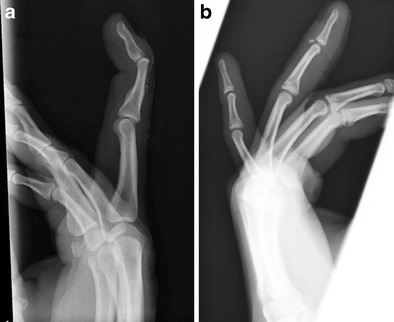
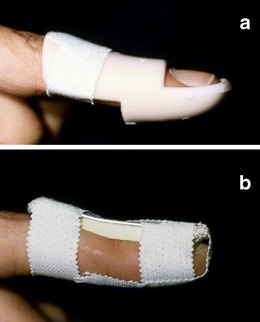
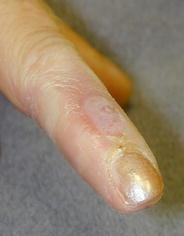
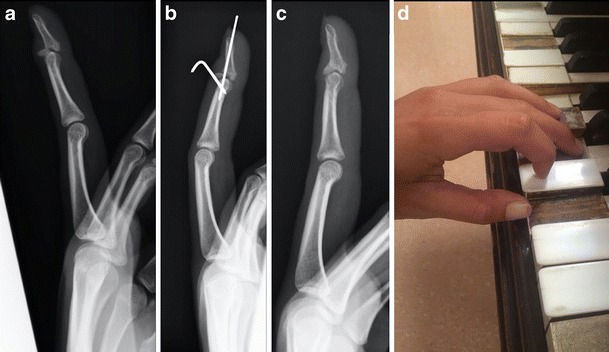
Purpose of review: The purposes of this review are to discuss the diagnosis and management of mallet and jersey finger injuries in athletes and to highlight how treatment impacts return to play.
Recent findings: Mallet finger: although numerous non-operative and operative techniques have been described, there continues to be little consensus regarding the optimal procedure. Jersey finger: ultrasound appears to be a cost-effective imaging modality that may be useful for preoperative planning. Wide-awake surgery offers optimal intraoperative assessment of the tendon repair. Tendon repair with volar plate augmentation has been shown to improve the strength of the repair in the laboratory, and early clinical results are encouraging. Most mallet finger injuries will heal with non-operative treatment over a period of 8-12 weeks, even when treatment is delayed up to 3-4 months. An acute diagnosis of jersey finger requires surgical treatment and generally means 8-12 weeks of inability to compete in most contact sports.
Keywords: Athlete; Distal phalanx; Jersey finger; Mallet finger; Tendon avulsion.
Conflict of interest statement
Conflict of interest
The authors declare that they have no conflict of interest.
Human and animal rights and informed consent
This article does not contain any studies with human or animal subjects performed by any of the authors.
Figures
References
-
- Schneider LH. Fractures of the distal interphalangeal joint. Hand Clin. 1994;10:277–85. - PubMed
Publication types
LinkOut - more resources
Full Text Sources
Other Literature Sources
Research Materials
