


The SUMO Pathway in Mitosis
- PMID: 28197912
- PMCID: PMC11166265
- DOI: 10.1007/978-3-319-50044-7_10
The SUMO Pathway in Mitosis
Abstract
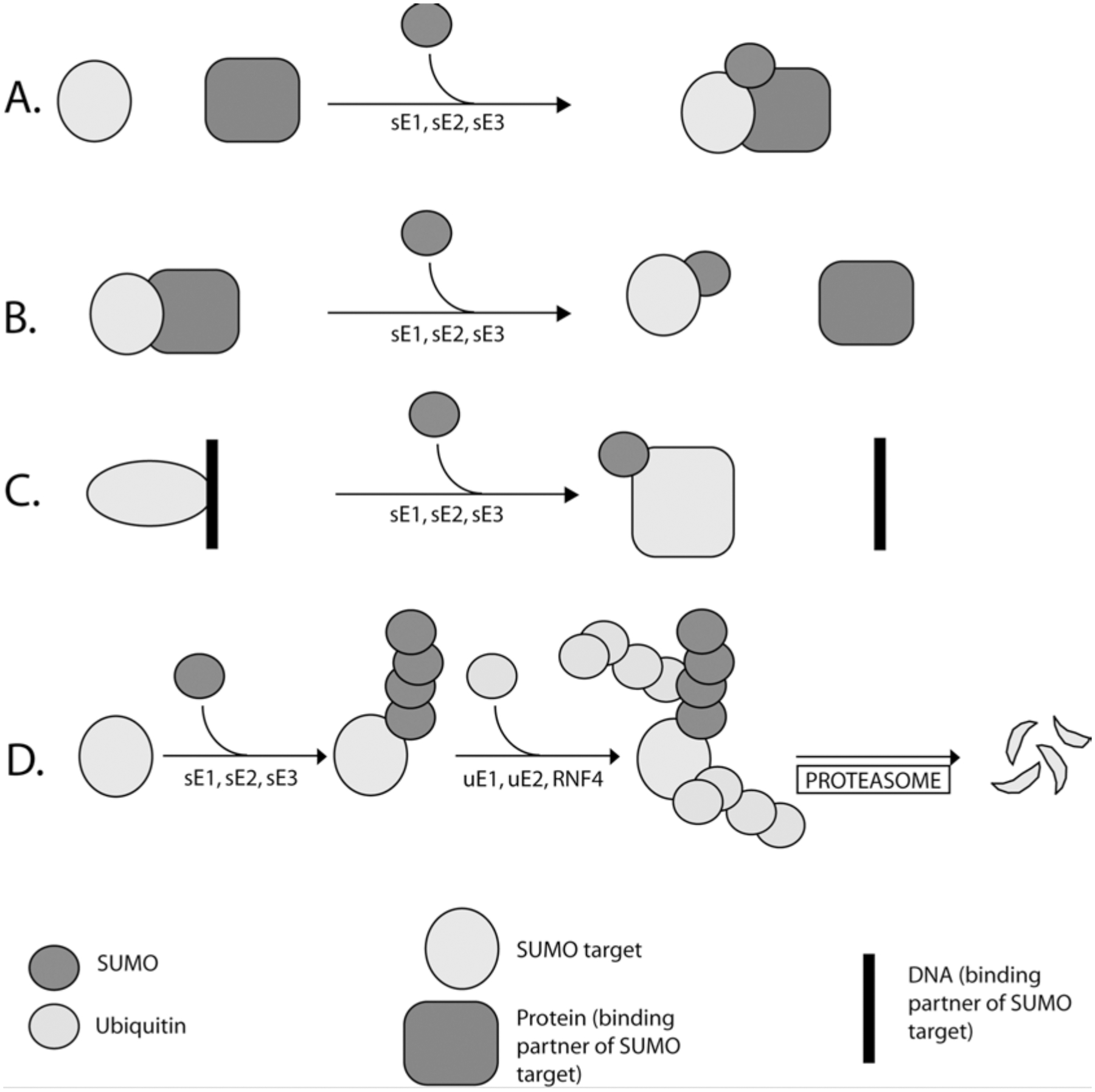
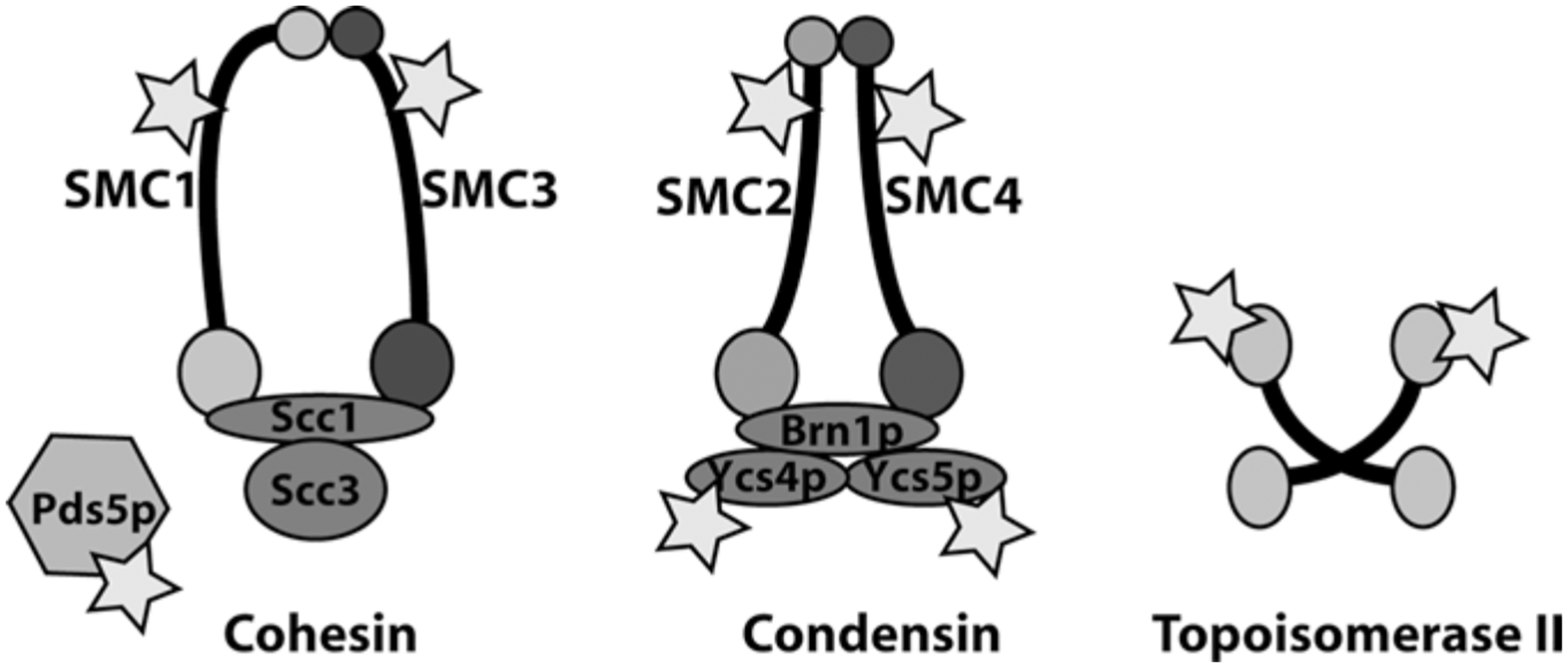
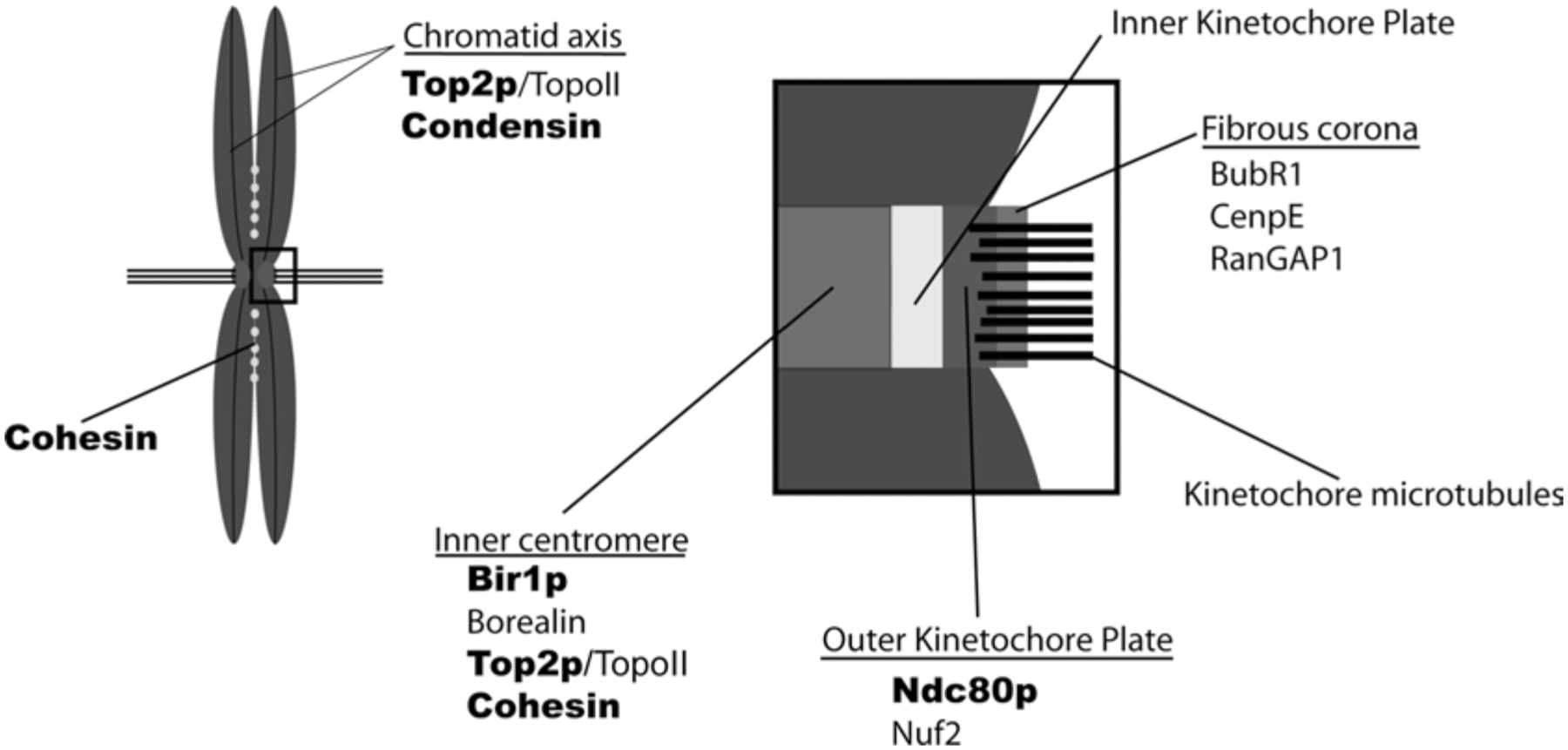
Mitosis is the stage of the cell cycle during which replicated chromosomes must be precisely divided to allow the formation of two daughter cells possessing equal genetic material. Much of the careful spatial and temporal organization of mitosis is maintained through post-translational modifications, such as phosphorylation and ubiquitination, of key cellular proteins. Here, we will review evidence that sumoylation, conjugation to the SUMO family of small ubiquitin-like modifiers, also serves essential regulatory roles during mitosis. We will discuss the basic biology of sumoylation, how the SUMO pathway has been implicated in particular mitotic functions, including chromosome condensation, centromere/kinetochore organization and cytokinesis, and what cellular proteins may be the targets underlying these phenomena.
Keywords: Condensin; Kinetochore; Mitosis; SUMO; Topoisomerase.
Figures
References
-
- Andrews PD, Ovechkina Y, Morrice N, Wagenbach M, Duncan K, Wordeman L, Swedlow JR (2004) Aurora B regulates MCAK at the mitotic centromere. Dev Cell 6:253–268 - PubMed
-
- Arnaoutov A, Azuma Y, Ribbeck K, Joseph J, Boyarchuk Y, Karpova T, McNally J, Dasso M (2005) Crm1 is a mitotic effector of Ran-GTP in somatic cells. Nat Cell Biol 7:626–632 - PubMed
Publication types
MeSH terms
Substances
Grants and funding
LinkOut - more resources
Full Text Sources
Other Literature Sources
