Acute respiratory distress syndrome and chemical burns after exposure to chlorine-containing bleach: a case report
- PMID: 28203432
- PMCID: PMC5303073
- DOI: 10.21037/jtd.2017.01.45
Acute respiratory distress syndrome and chemical burns after exposure to chlorine-containing bleach: a case report
Abstract
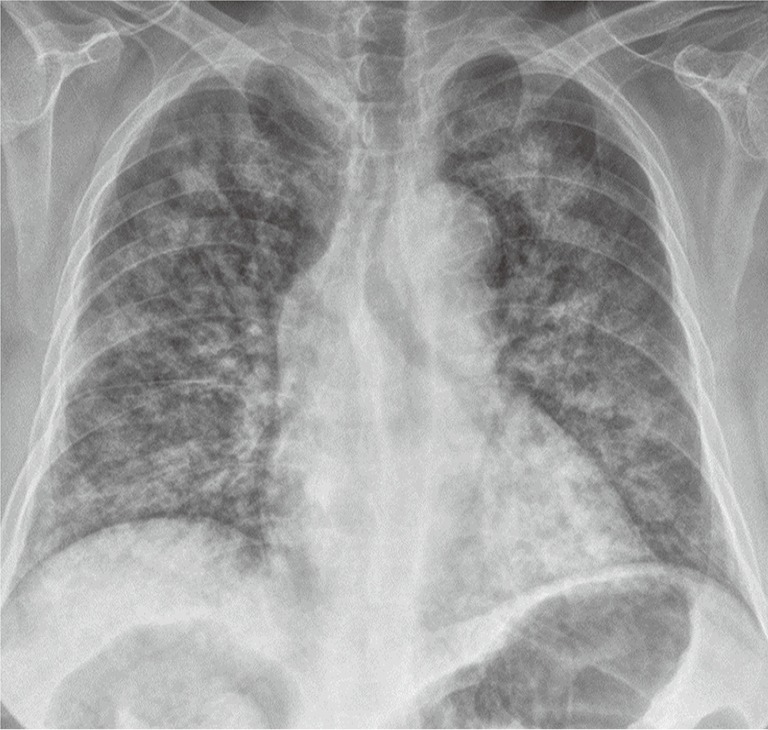
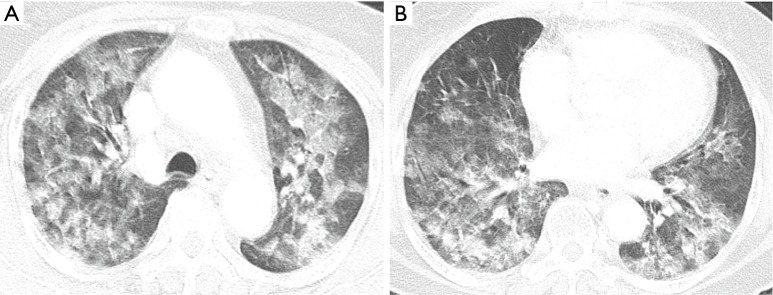
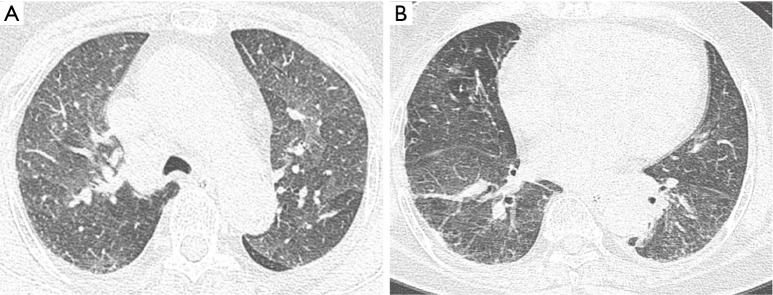
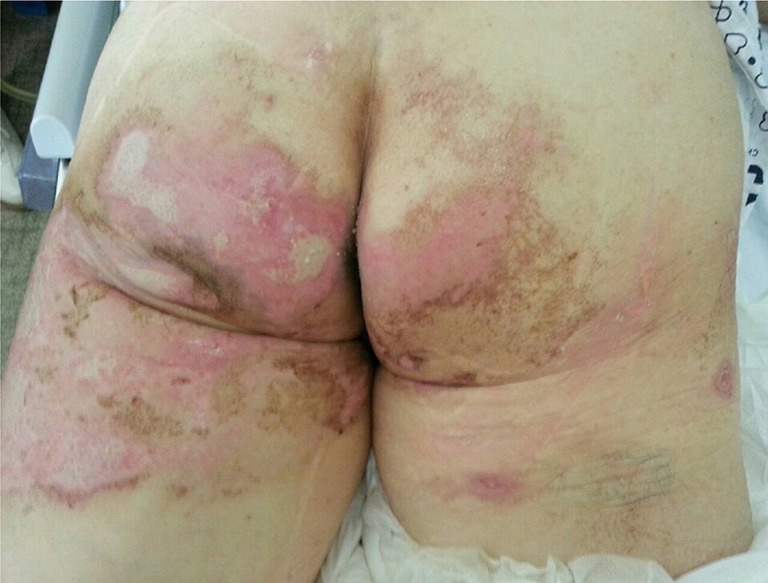
Chlorine-containing bleach can cause acute respiratory distress syndrome (ARDS) and chemical burns. However, simultaneous occurrence of the two conditions caused by this agent is very rare. We describe the case of a 74-year-old female who presented with shortness of breath and hemoptysis following accidental exposure to chlorine-containing bleach. She had second- to third-degree chemical burns on both buttocks and thighs, and received mechanical ventilation because of the development of ARDS. Mechanical ventilation was discontinued on day 6 of hospitalization because of the rapid improvement of hypoxemia, and the patient was transferred to another hospital for further management of the chemical burns on day 18.
Keywords: Chlorine; acute respiratory distress syndrome; chemical burns.
Conflict of interest statement
Conflicts of Interest: The authors have no conflicts of interest to declare.
Figures
References
-
- Parimon T, Kanne JP, Pierson DJ. Acute inhalation injury with evidence of diffuse bronchiolitis following chlorine gas exposure at a swimming pool. Respir Care 2004;49:291-4. - PubMed
Publication types
LinkOut - more resources
Full Text Sources
Other Literature Sources