


Prebiotic inulin-type fructans induce specific changes in the human gut microbiota
- PMID: 28213610
- PMCID: PMC5739857
- DOI: 10.1136/gutjnl-2016-313271
Prebiotic inulin-type fructans induce specific changes in the human gut microbiota
Abstract
Objective: Contrary to the long-standing prerequisite of inducing selective (ie, bifidogenic) effects, recent findings suggest that prebiotic interventions lead to ecosystem-wide microbiota shifts. Yet, a comprehensive characterisation of this process is still lacking. Here, we apply 16S rDNA microbiota profiling and matching (gas chromatography mass spectrometry) metabolomics to assess the consequences of inulin fermentation both on the composition of the colon bacterial ecosystem and faecal metabolites profiles.
Design: Faecal samples collected during a double-blind, randomised, cross-over intervention study set up to assess the effect of inulin consumption on stool frequency in healthy adults with mild constipation were analysed. Faecal microbiota composition and metabolite profiles were linked to the study's clinical outcome as well as to quality-of-life measurements recorded.
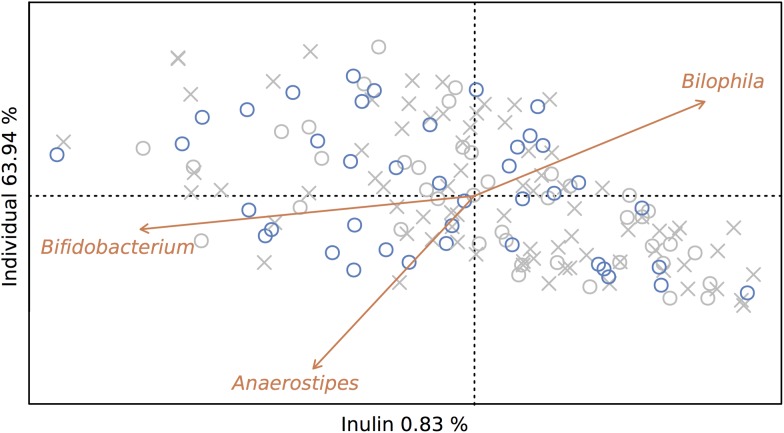
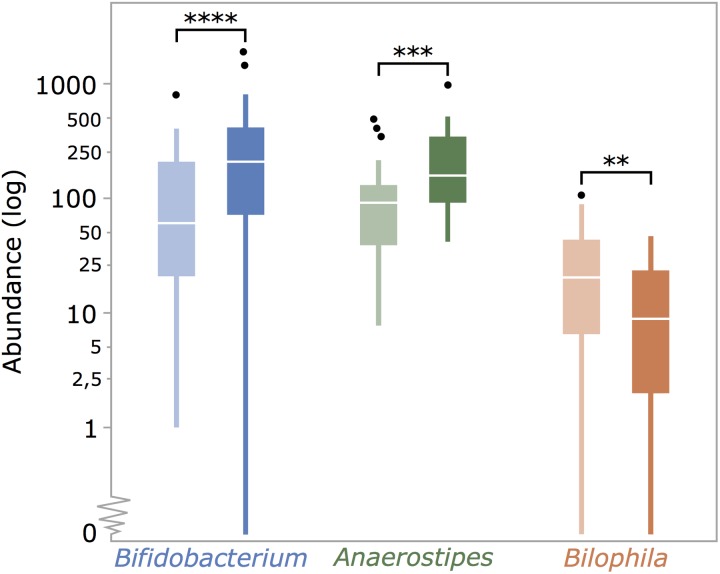
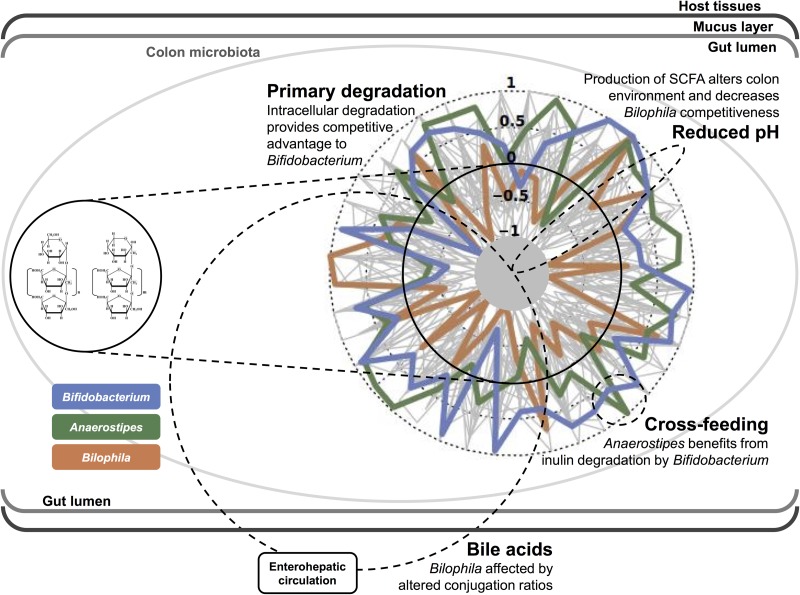
Results: While faecal metabolite profiles were not significantly altered by inulin consumption, our analyses did detect a modest effect on global microbiota composition and specific inulin-induced changes in relative abundances of Anaerostipes, Bilophila and Bifidobacterium were identified. The observed decrease in Bilophila abundances following inulin consumption was associated with both softer stools and a favourable change in constipation-specific quality-of-life measures.
Conclusions: Ecosystem-wide analysis of the effect of a dietary intervention with prebiotic inulin-type fructans on the colon microbiota revealed that this effect is specifically associated with three genera, one of which (Bilophila) representing a promising novel target for mechanistic research.
Trial registration number: NCT02548247.
Keywords: COLONIC MICROFLORA; CONSTIPATION; PREBIOTIC.
Published by the BMJ Publishing Group Limited. For permission to use (where not already granted under a licence) please go to http://www.bmj.com/company/products-services/rights-and-licensing/.
Conflict of interest statement
Competing interests: MS and ST are employees of BENEO/Südzucker Group. The authors alone are responsible for the content and writing of this article.
Figures

Comment in
-
Inulin prebiotic: is it all about bifidobacteria?Gut. 2017 Nov;66(11):1883-1884. doi: 10.1136/gutjnl-2017-313800. Epub 2017 Apr 5. Gut. 2017. PMID: 28381524 No abstract available.
References
-
- Gibson GR, Roberfroid MB. Dietary modulation of the human colonic microbiota: introducing the concept of prebiotics. J Nutr 1995;125:1401–12. - PubMed
-
- Gibson GR, Scott KP, Rastall RA, et al. . Dietary prebiotics: current status and new definition. Food Sci Technol Bull Funct Foods 2010;7:1–19. 10.1616/1476-2137.15880 - DOI
Publication types
MeSH terms
Substances
Associated data
Grants and funding
LinkOut - more resources
Full Text Sources
Other Literature Sources
Medical
