


Epitopes and Mechanism of Action of the Clostridium difficile Toxin A-Neutralizing Antibody Actoxumab
- PMID: 28232034
- PMCID: PMC7373199
- DOI: 10.1016/j.jmb.2017.02.010
Epitopes and Mechanism of Action of the Clostridium difficile Toxin A-Neutralizing Antibody Actoxumab
Abstract
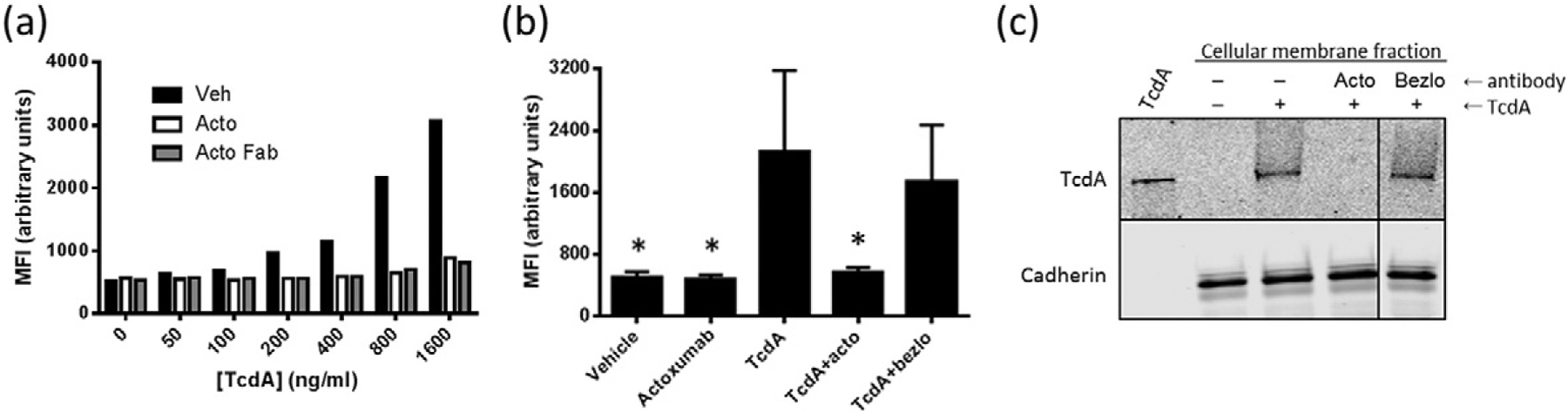
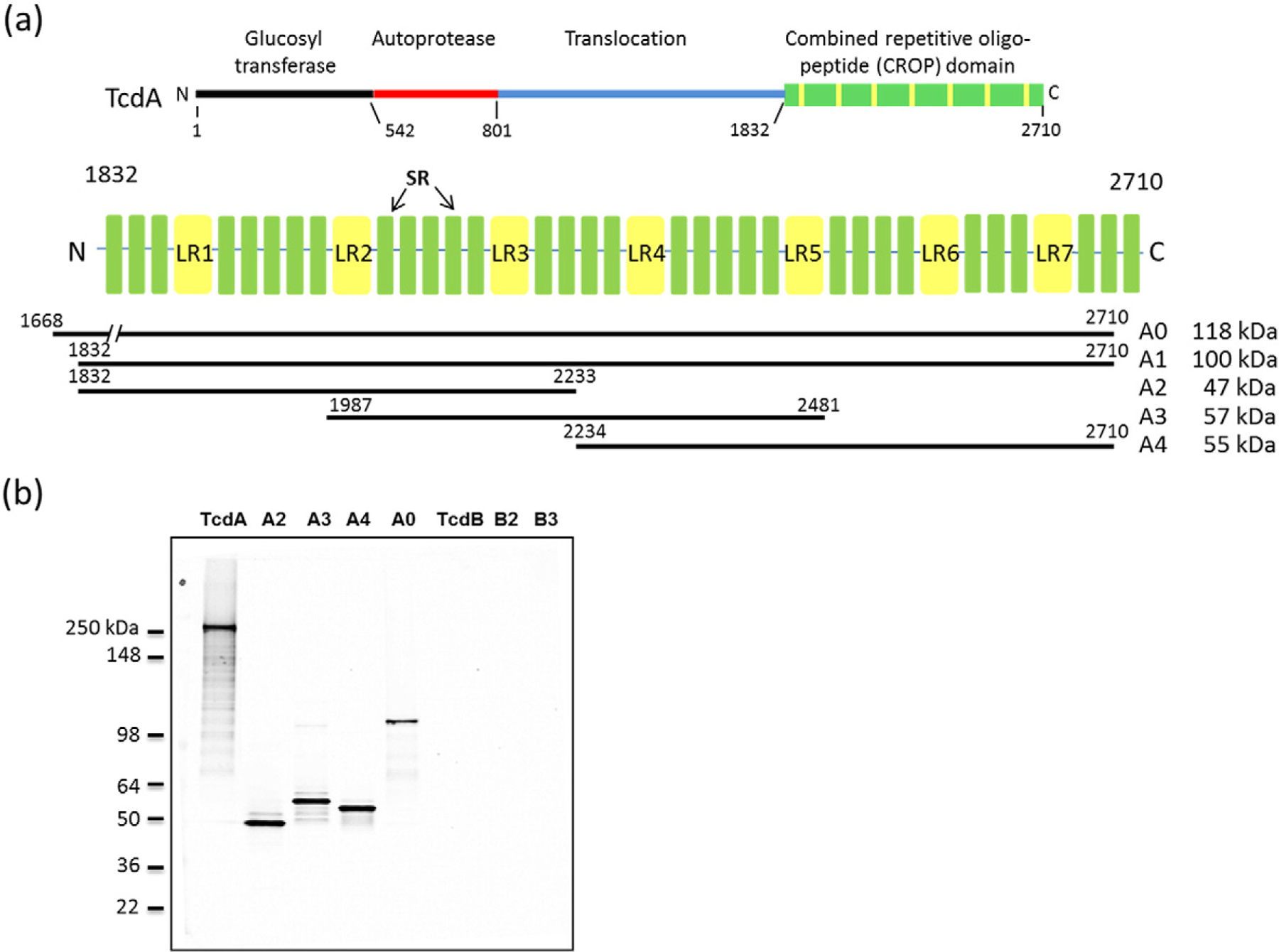
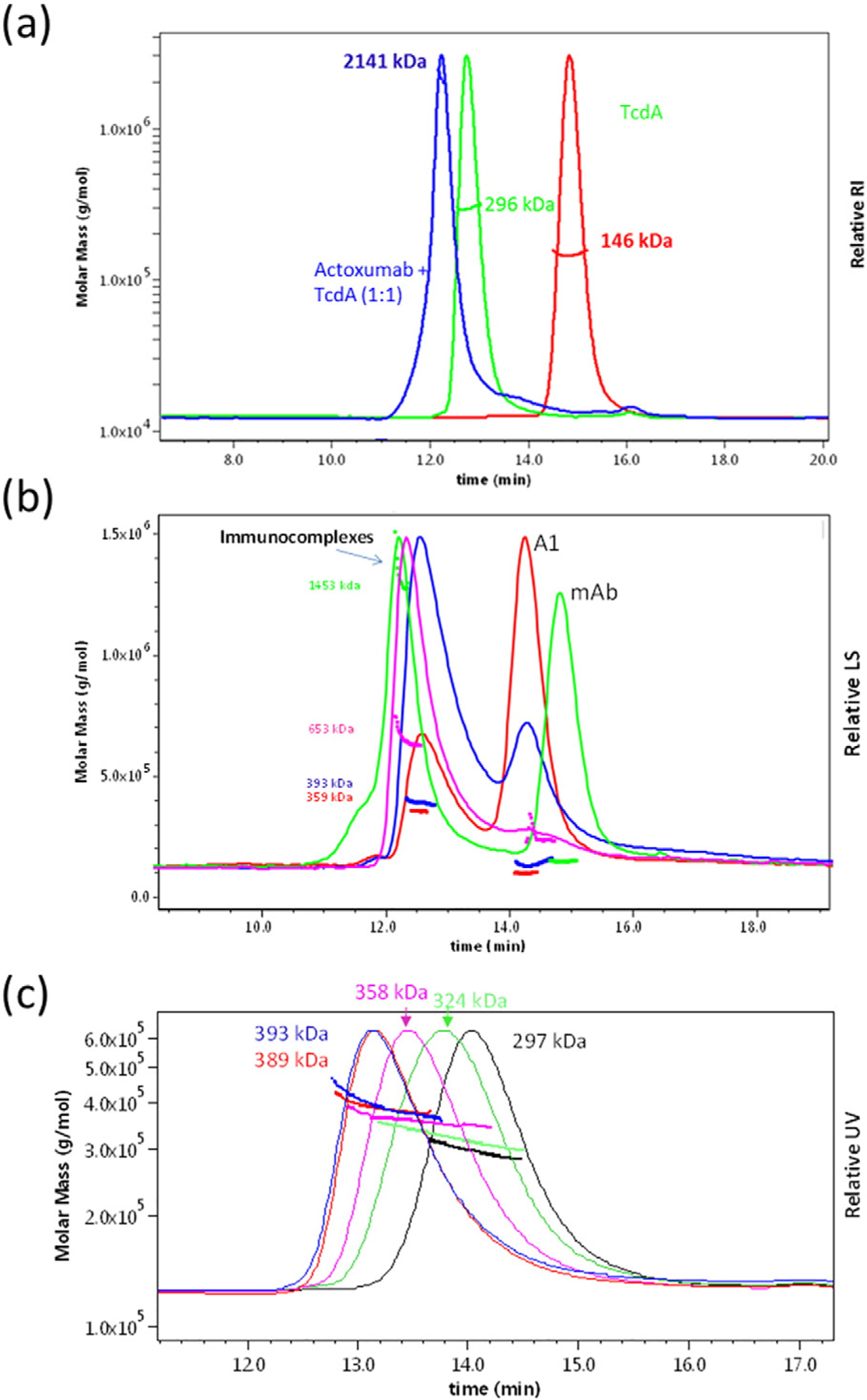
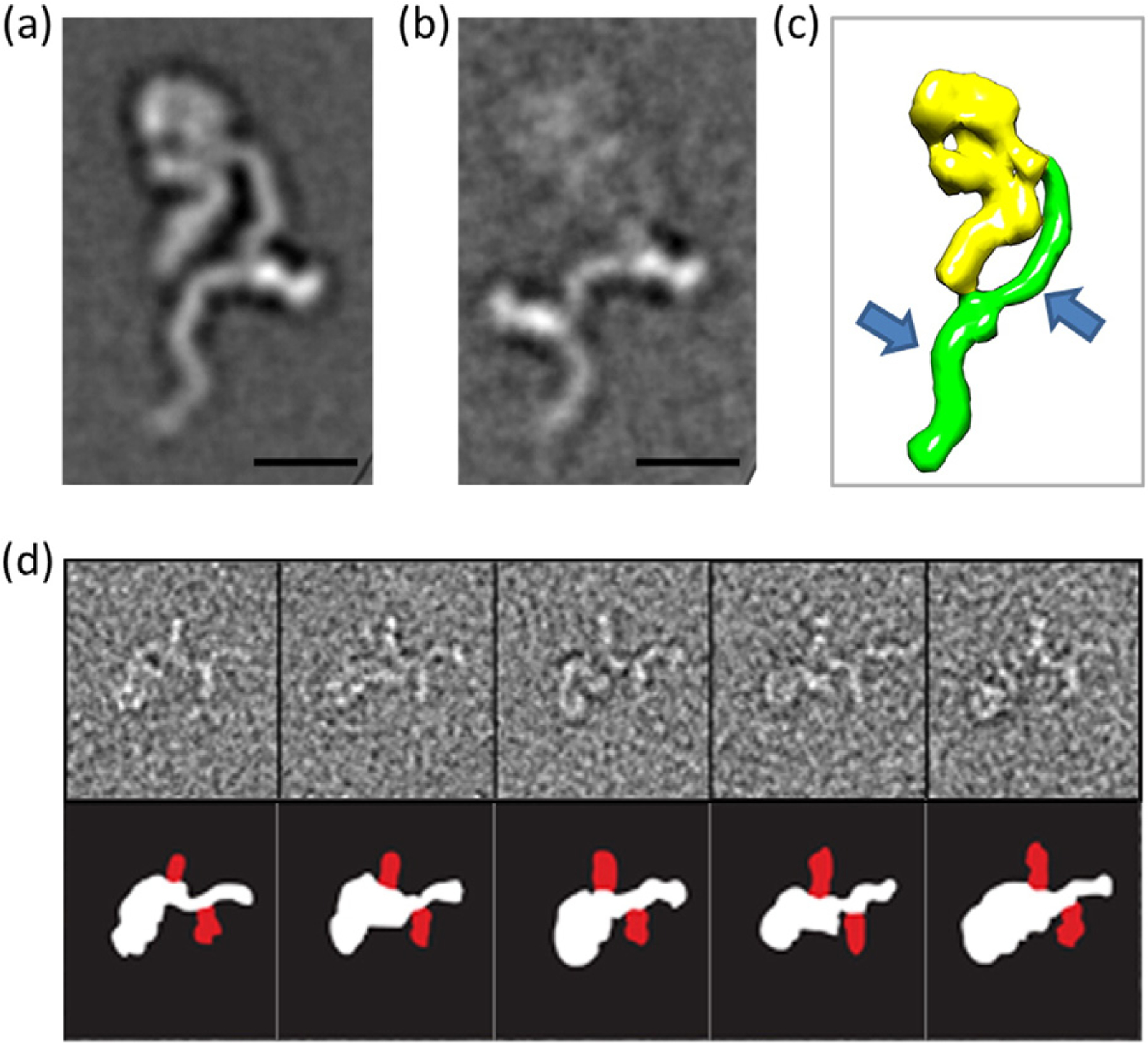
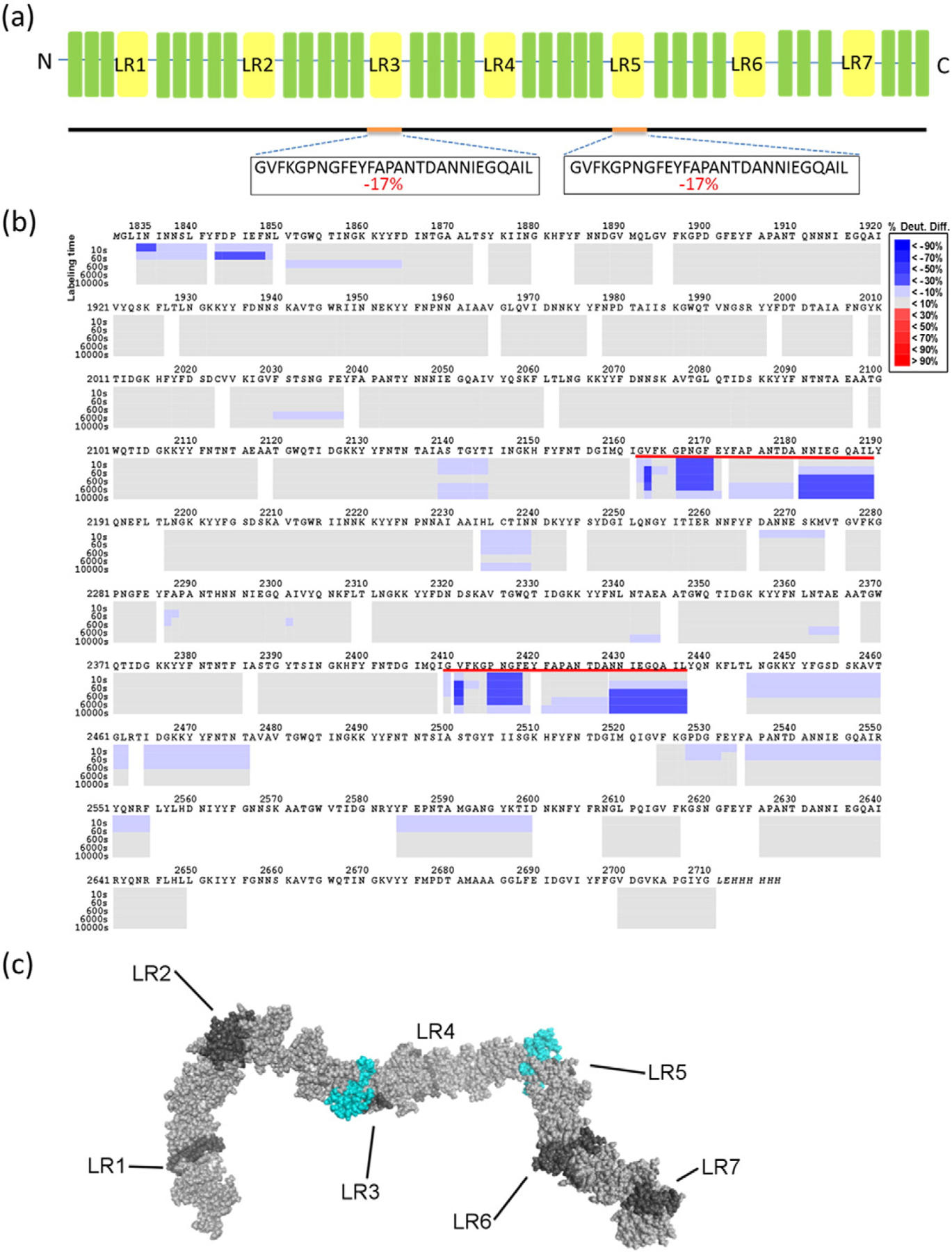
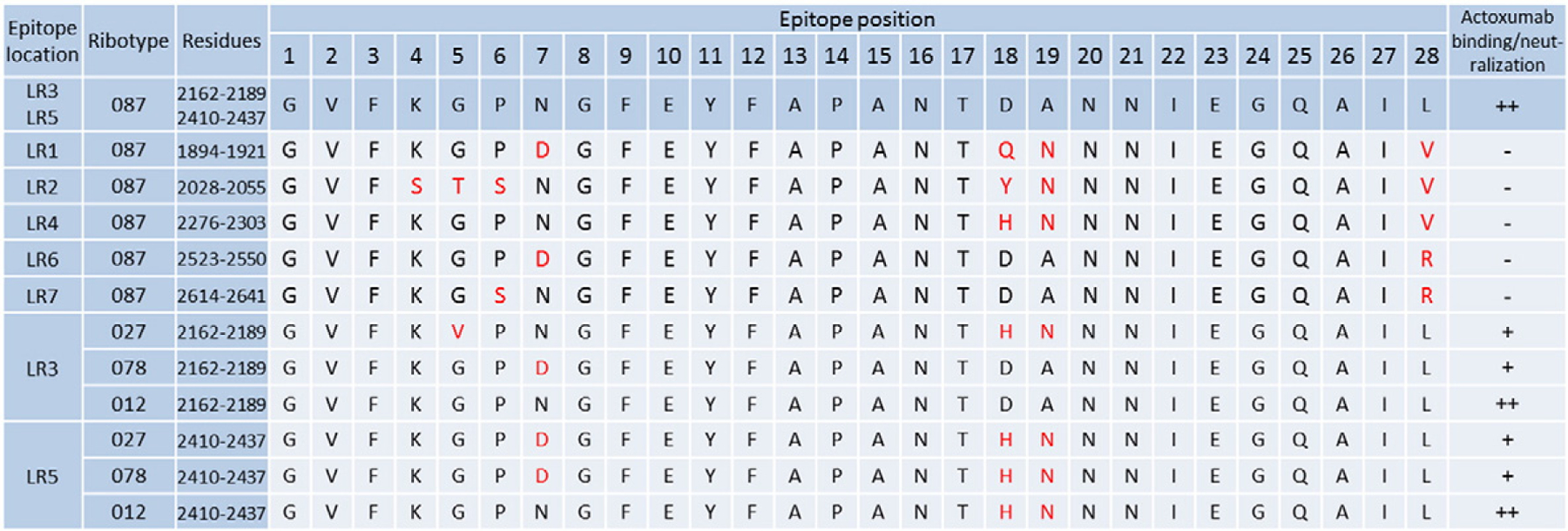
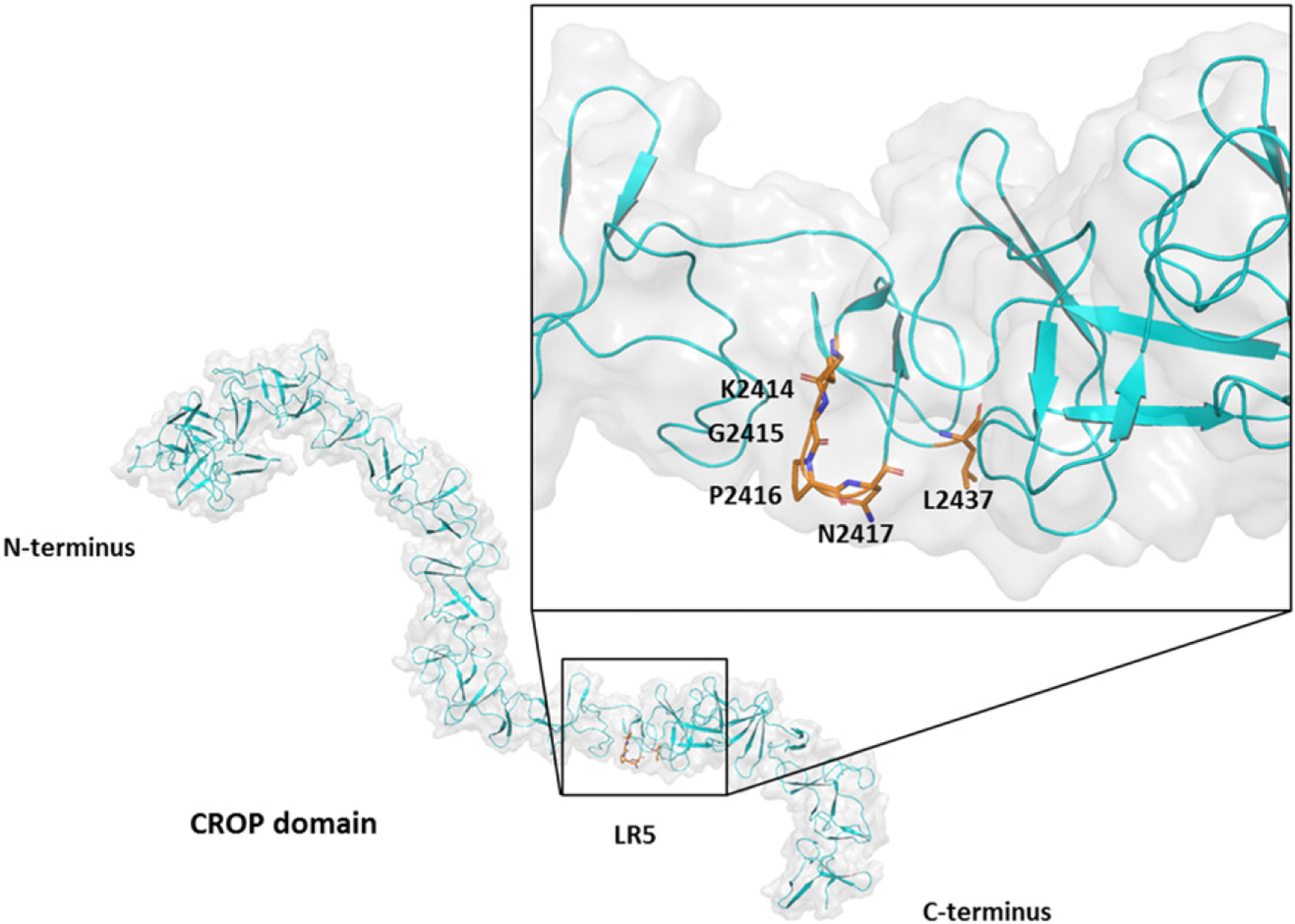
The exotoxins toxin A (TcdA) and toxin B (TcdB) are produced by the bacterial pathogen Clostridium difficile and are responsible for the pathology associated with C. difficile infection (CDI). The antitoxin antibodies actoxumab and bezlotoxumab bind to and neutralize TcdA and TcdB, respectively. Bezlotoxumab was recently approved by the FDA for reducing the recurrence of CDI. We have previously shown that a single molecule of bezlotoxumab binds to two distinct epitopes within the TcdB combined repetitive oligopeptide (CROP) domain, preventing toxin binding to host cells. In this study, we characterize the binding of actoxumab to TcdA and examine its mechanism of toxin neutralization. Using a combination of approaches including a number of biophysical techniques, we show that there are two distinct actoxumab binding sites within the CROP domain of TcdA centered on identical amino acid sequences at residues 2162-2189 and 2410-2437. Actoxumab binding caused the aggregation of TcdA especially at higher antibody:toxin concentration ratios. Actoxumab prevented the association of TcdA with target cells demonstrating that actoxumab neutralizes toxin activity by inhibiting the first step of the intoxication cascade. This mechanism of neutralization is similar to that observed with bezlotoxumab and TcdB. Comparisons of the putative TcdA epitope sequences across several C. difficile ribotypes and homologous repeat sequences within TcdA suggest a structural basis for observed differences in actoxumab binding and/or neutralization potency. These data provide a mechanistic basis for the protective effects of the antibody in vitro and in vivo, including in various preclinical models of CDI.
Keywords: Clostridium difficile infection; TcdA; epitope mapping; monoclonal antibody; toxin neutralization.
Copyright © 2017 Elsevier Ltd. All rights reserved.
Figures
References
-
- Rupnik M, Wilcox MH, Gerding DN, Clostridium difficile infection: new developments in epidemiology and pathogenesis, Nat. Rev. Microbiol 7 (2009) 526–536. - PubMed
-
- Bassetti M, Villa G, Pecori D, Arzese A, Wilcox M, Epidemiology, diagnosis and treatment of Clostridium difficile infection, Expert Rev. Anti-Infect. Ther 10 (2012) 1405–1423. - PubMed
-
- Carter GP, Rood JI, Lyras D, The role of toxin A and toxin B in the virulence of Clostridium difficile, Trends Microbiol. 20 (2012) 21–29. - PubMed
MeSH terms
Substances
Grants and funding
LinkOut - more resources
Full Text Sources
Other Literature Sources
Molecular Biology Databases
