


Therapeutic strategies for cell-based neovascularization in critical limb ischemia
- PMID: 28235425
- PMCID: PMC5324309
- DOI: 10.1186/s12967-017-1153-4
Therapeutic strategies for cell-based neovascularization in critical limb ischemia
Abstract
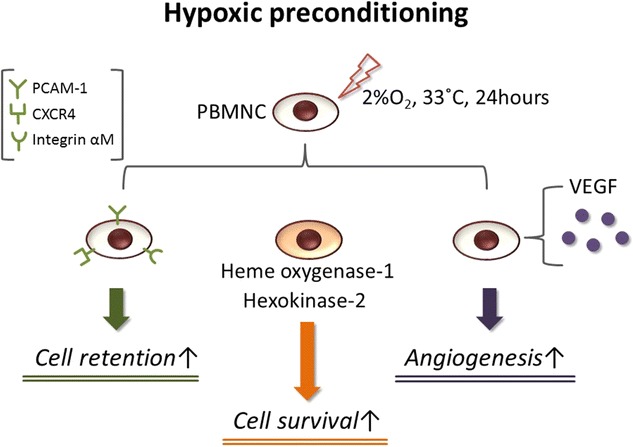
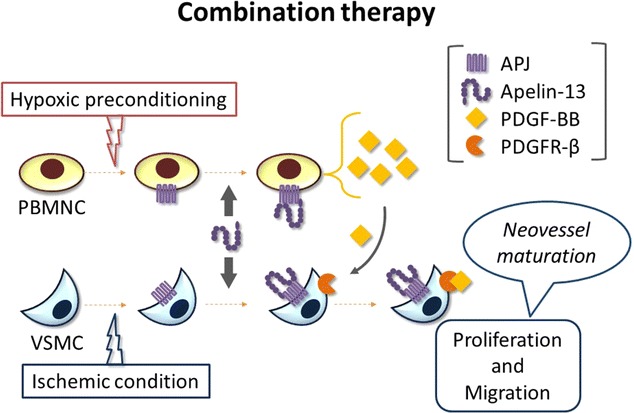
Critical limb ischemia (CLI) causes severe ischemic rest pain, ulcer, and gangrene in the lower limbs. In spite of angioplasty and surgery, CLI patients without suitable artery inflow or enough vascular bed in the lesions are often forced to undergo amputation of a major limb. Cell-based therapeutic angiogenesis has the potential to treat ischemic lesions by promoting the formation of collateral vessel networks and the vascular bed. Peripheral blood mononuclear cells and bone marrow-derived mononuclear cells are the most frequently employed cell types in CLI clinical trials. However, the clinical outcomes of cell-based therapeutic angiogenesis using these cells have not provided the promised benefits for CLI patients, reinforcing the need for novel cell-based therapeutic angiogenesis strategies to cure untreatable CLI patients. Recent studies have demonstrated the possible enhancement of therapeutic efficacy in ischemic diseases by preconditioned graft cells. Moreover, judging from past clinical trials, the identification of adequate transplant timing and responders to cell-based therapy is important for improving therapeutic outcomes in CLI patients in clinical settings. Thus, to establish cell-based therapeutic angiogenesis as one of the most promising therapeutic strategies for CLI patients, its advantages and limitations should be taken into account.
Keywords: Cell-based therapeutic angiogenesis; Clinical trials; Combination therapy; Critical limb ischemia; Hypoxic preconditioning; Peripheral blood mononuclear cells.
Figures

References
-
- Adam DJ, Beard JD, Cleveland T, Bell J, Bradbury AW, Forbes JF, Fowkes FG, Gillepsie I, Ruckley CV, Raab G, et al. Bypass versus angioplasty in severe ischaemia of the leg (BASIL): multicentre, randomised controlled trial. Lancet. 2005;366:1925–1934. doi: 10.1016/S0140-6736(05)67704-5. - DOI - PubMed
-
- Dormandy J, Heeck L, Vig S. The fate of patients with critical leg ischemia. Semin Vasc Surg. 1999;12:142–147. - PubMed
Publication types
MeSH terms
LinkOut - more resources
Full Text Sources
Other Literature Sources
Research Materials
Miscellaneous
