


The Cancer Loneliness Scale and Cancer-related Negative Social Expectations Scale: development and validation
- PMID: 28236266
- PMCID: PMC5479729
- DOI: 10.1007/s11136-017-1518-4
The Cancer Loneliness Scale and Cancer-related Negative Social Expectations Scale: development and validation
Abstract
Purpose: Loneliness is a known risk factor for poor mental and physical health outcomes and quality of life in the general population, and preliminary research suggests that loneliness is linked to poorer health outcomes in cancer patients as well. Various aspects of the cancer experience contribute to patients feeling alone and misunderstood. Furthermore, loneliness theory suggests that negative social expectations, which may specifically relate to the cancer experience, precipitate and sustain loneliness. Cancer-specific tools are needed to assess key constructs of this theory. In the current study, we developed and tested measures of (1) loneliness attributed to cancer (i.e., cancer-related loneliness) and (2) negative social expectations related to cancer.
Methods: First, we developed the items for the measures based on theory, prior research, and expert feedback. Next, we assessed the measures' psychometric properties (i.e., internal consistency and construct validity) in a diverse sample of cancer patients.
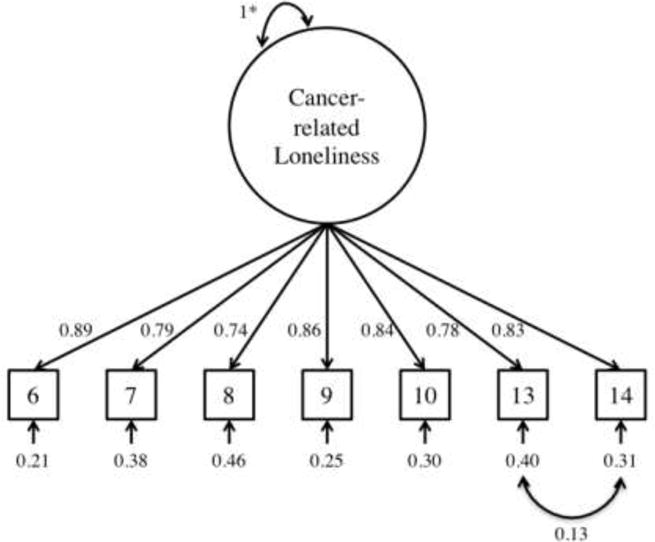
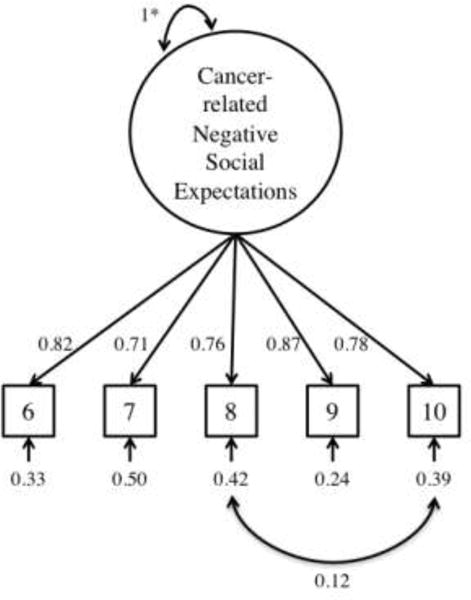
Results: The final products included a 7-item unidimensional Cancer Loneliness Scale and a 5-item unidimensional Cancer-related Negative Social Expectations Scale. Evidence of excellent reliability and validity was found for both measures.
Conclusions: The resulting measures have both clinical and research utility.
Keywords: Cancer; Loneliness; Measurement; Oncology; Scale development; Social expectations.
Conflict of interest statement
Conflict of Interest: The authors declare that they have no conflict of interest.
Figures
References
MeSH terms
Grants and funding
LinkOut - more resources
Full Text Sources
Other Literature Sources
