. 2017 Dec 1;82(11):828-838.
doi: 10.1016/j.biopsych.2016.12.028. Epub 2017 Jan 10.

Amylin Acts in the Lateral Dorsal Tegmental Nucleus to Regulate Energy Balance Through Gamma-Aminobutyric Acid Signaling

Affiliations

Amylin Acts in the Lateral Dorsal Tegmental Nucleus to Regulate Energy Balance Through Gamma-Aminobutyric Acid Signaling

David J Reiner et al. Biol Psychiatry. .

Abstract

Background: The pancreatic- and brain-derived hormone amylin promotes negative energy balance and is receiving increasing attention as a promising obesity therapeutic. However, the neurobiological substrates mediating amylin's effects are not fully characterized. We postulated that amylin acts in the lateral dorsal tegmental nucleus (LDTg), an understudied neural processing hub for reward and homeostatic feeding signals.

Methods: We used immunohistochemical and quantitative polymerase chain reaction analyses to examine expression of the amylin receptor complex in rat LDTg tissue. Behavioral experiments were performed to examine the mechanisms underlying the hypophagic effects of amylin receptor activation in the LDTg.

Results: Immunohistochemical and quantitative polymerase chain reaction analyses show expression of the amylin receptor complex in the LDTg. Activation of LDTg amylin receptors by the agonist salmon calcitonin dose-dependently reduces body weight, food intake, and motivated feeding behaviors. Acute pharmacological studies and longer-term adeno-associated viral knockdown experiments indicate that LDTg amylin receptor signaling is physiologically and potentially preclinically relevant for energy balance control. Finally, immunohistochemical data indicate that LDTg amylin receptors are expressed on gamma-aminobutyric acidergic neurons, and behavioral results suggest that local gamma-aminobutyric acid receptor signaling mediates the hypophagia after LDTg amylin receptor activation.

Conclusions: These findings identify the LDTg as a novel nucleus with therapeutic potential in mediating amylin's effects on energy balance through gamma-aminobutyric acid receptor signaling.

Keywords: Calcitonin; Food intake; IAPP; Motivated behavior; Obesity; Reward.


Conflict of interest statement

Financial Disclosures

All other authors report no biomedical financial interests or potential conflicts of interest.

Figures
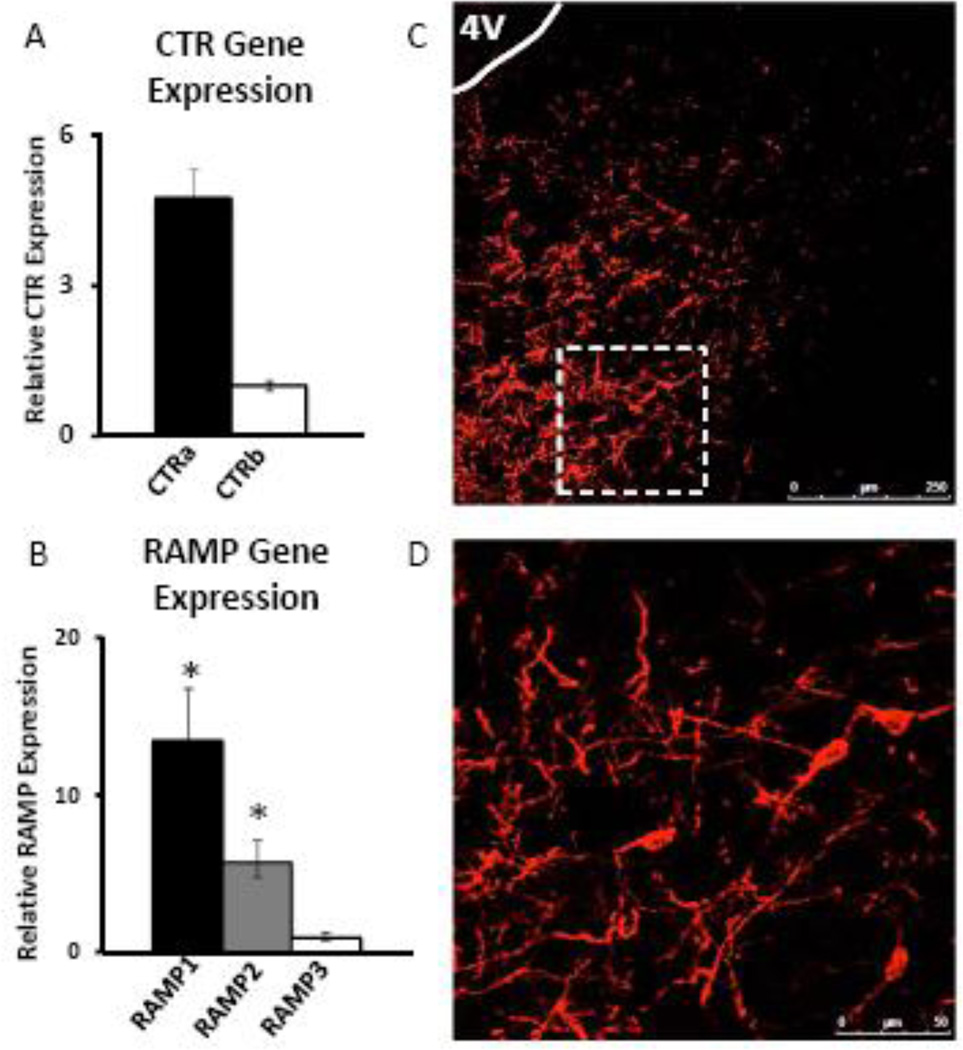
Figure 1
Figure 1. The components of the amylin receptor complex are expressed in the LDTg
Micropunches of LDTg-enriched tissue (n=6) show expression that gene expression of CTRa is ~5 fold higher than CTRb (A), and gene expression of RAMP1 is ~2-fold higher than RAMP2 and ~13-fold higher than RAMP3 (B). Immunohistochemical data using CTR to label amylin receptor-expressing cells (n=6) show dense labeling of cell bodies and projections in the caudal LDTg (C, D). The dotted box in C (20×) represents the field of view in D (20× with a 2× optical zoom). * indicates significance by repeated measures ANOVA (p<0.05).
Figure 2
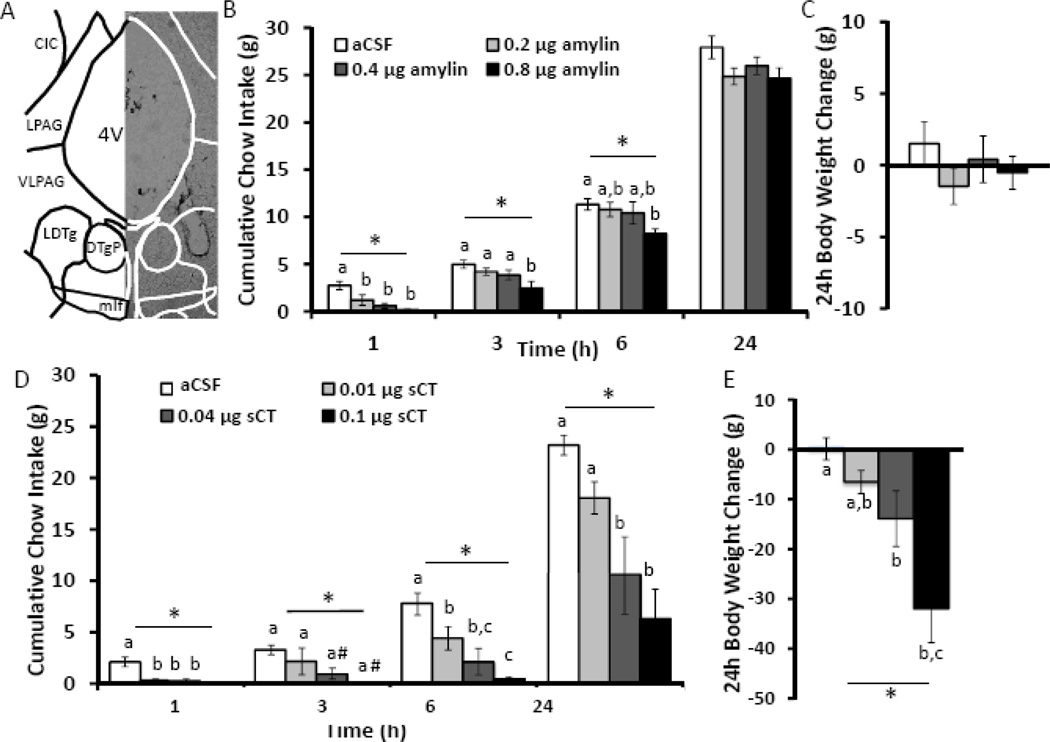
Figure 2. Intra-LDTg amylin receptor activation dose dependently suppresses chow intake and body weight
Amylin was unilaterally injected into the LDTg in a counterbalanced within-subjects design at the onset of the dark cycle using the following doses: 0 (aCSF), 0.2, 0.4, and 0.8 µg (n=10). A representative image of the LDTg injection site from a 35 µm thick section is shown (A). These doses of amylin dose-dependently decrease chow intake over 6h but have no effect on 24h chow intake (B) or body weight change (C). The key in B also applies to C. In a separate cohort of rats, the amylin receptor agonist sCT was unilaterally injected into the LDTg in a counterbalanced within subjects design at the onset of the dark cycle using the following doses: 0 (aCSF), 0.01, 0.04, and 0.1 µg (n=6). These doses of sCT suppress chow intake at every time point tested over 24h (D) and decrease 24h body weight gain (E). * indicates significance by repeated measures ANOVA (p<0.05), # indicates a trend for significance by post-hoc Neuman-Keuls (p<0.1). Different letters are significantly different from each other (p<0.05) according to post-hoc tests. The key in D also applies to E. Atlas image is −8.7 mm from bregma, based on Paxinos & Watson, 2007. 4V = 4th ventricle, CIC = central nucleus inferior colliculus, DTgP = Dorsal tegmental nucleus pericent, LDTg= lateral dorsal tegmental nucleus, LPAG = lateral periaqueductal gray, mlf = medial longitudinal fasciculus, VLPAG = ventral lateral periaqueductal gray.
Figure 3
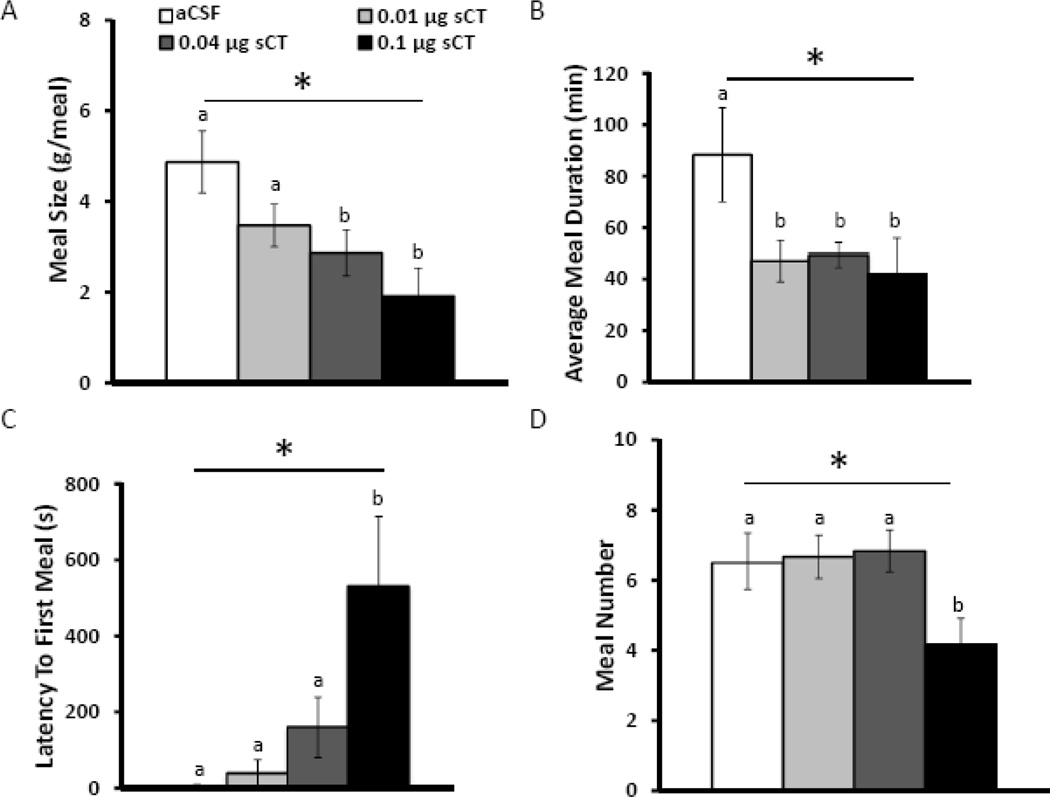
Figure 3. Intra-LDTg amylin receptor activation predominately suppresses meal size rather than meal frequency
To determine the behavioral mechanism driving intake suppression, animals were housed in a custom-made automated feedometer to analyze meal patterns. The amylin receptor agonist, sCT, was unilaterally injected into the LDTg in a counterbalanced within subjects design at the onset of the dark cycle using the following doses: 0 (aCSF), 0.01, 0.04, and 0.1 µg (n=5). Intra-LDTg sCT suppresses meal size over 24h at the two higher doses (A), but all 3 doses suppress average meal duration over 24h (B). Only the highest dose of sCT increases latency to first meal (C) and suppresses meal frequency over 24h (D). The key applies to all graphs. * indicates significance by repeated measures ANOVA (p<0.05), different letters are significantly different from each other according to post-hoc tests (p<0.05).
Figure 4
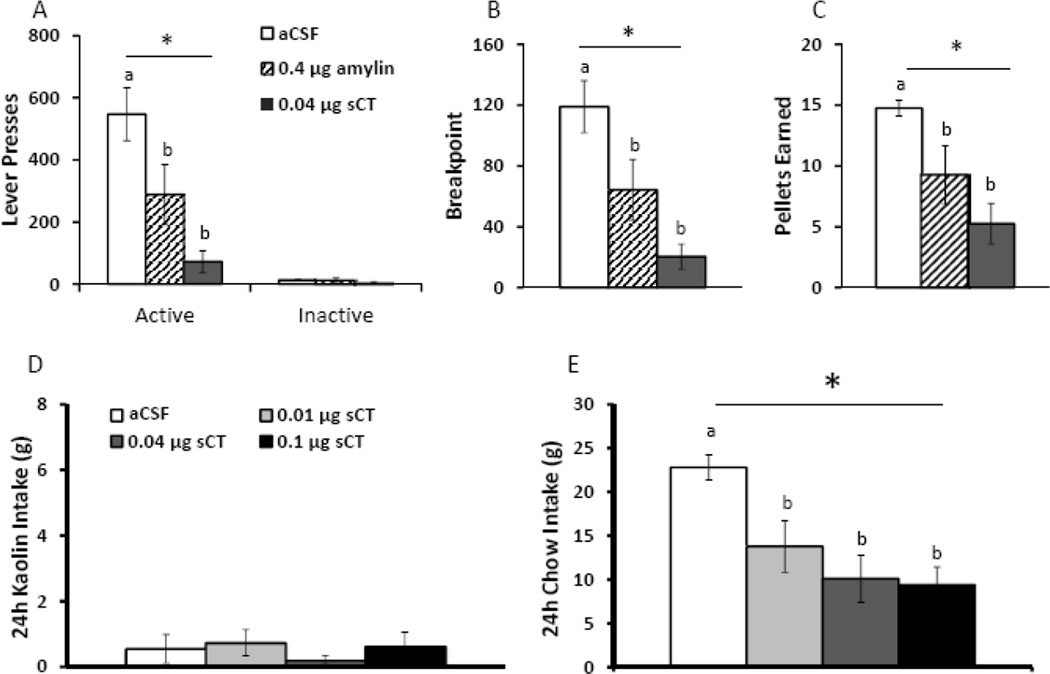
Figure 4. Intra-LDTg amylin receptor activation suppresses motivated feeding but does not produce malaise
The ability of LDTg amylin receptor activation to reduce sucrose self-administration on a PR schedule of reinforcement was assessed (n=8). Intra-LDTg amylin receptor activation with amylin (0.4µg) or sCT (0.04µg) suppresses active lever presses (A), breakpoint (B), and pellets earned (C). To determine if LDTg amylin receptor activation produces nausea/malaise, pica (ingestion of non-nutritive substances in response to a noxious stimulus) was measured. Animals received access to both chow and kaolin clay for one week prior to the beginning of the experiment. The amylin receptor agonist, sCT, was unilaterally injected into the LDTg using the following doses: 0 (aCSF), 0.01, 0.04, and 0.1 µg (n=6). Intra-LDTg amylin receptor activation does not increase kaolin clay intake (D) but suppresses chow intake at 24h (E). Key in A applies to A, B and C; key in D applies to D and E. * indicates significance by repeated measures ANOVA (p<0.01); different letters are significantly different from each other according to post-hoc tests (p<0.05).
Figure 5
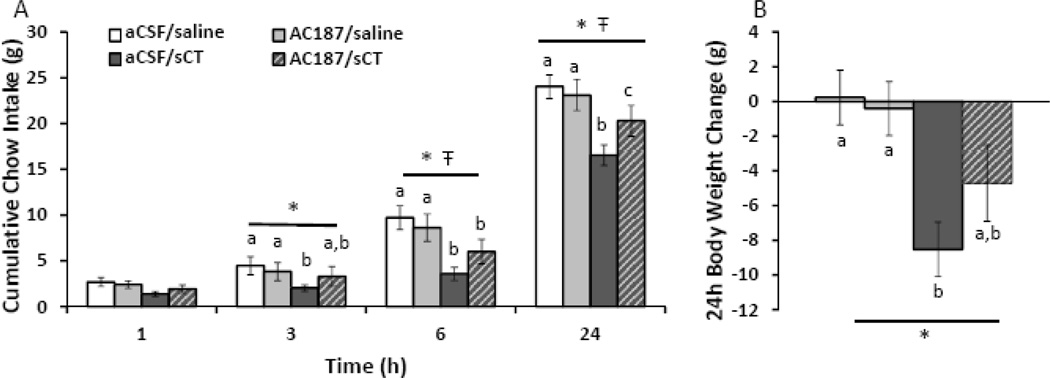
Figure 5. LDTg amylin receptor blockade attenuates the intake suppressive effects of an amylin receptor agonist
To determine if LDTg amylin receptor signaling is pre-clinically relevant, the amylin receptor antagonist, AC187, was bilaterally injected in the LDTg (0.8µg/hemisphere) followed 45 minutes later by a systemic injection of sCT (5µg/kg, IP) shortly before the onset of the dark cycle (n=11). Pre-treatment of AC187 alone has no significant effect on chow intake or body weight at any time point. Administration of sCT significantly suppresses intake at 3, 6, and 24h (A) as well as 24h body weight gain (B). Pre-treatment of AC187 with sCT significantly attenuates the intake suppressive effects of systemically-delivered sCT. Legend applies to both graphs. * indicates a significant main effect of sCT by repeated measures ANOVA (p<0.01), Ŧ indicates a significant main interaction between sCT and AC187 by repeated measures ANOVA (p<0.05), and different letters are significantly different from each other according to post-hoc planned comparisons (p<0.05).
Figure 6
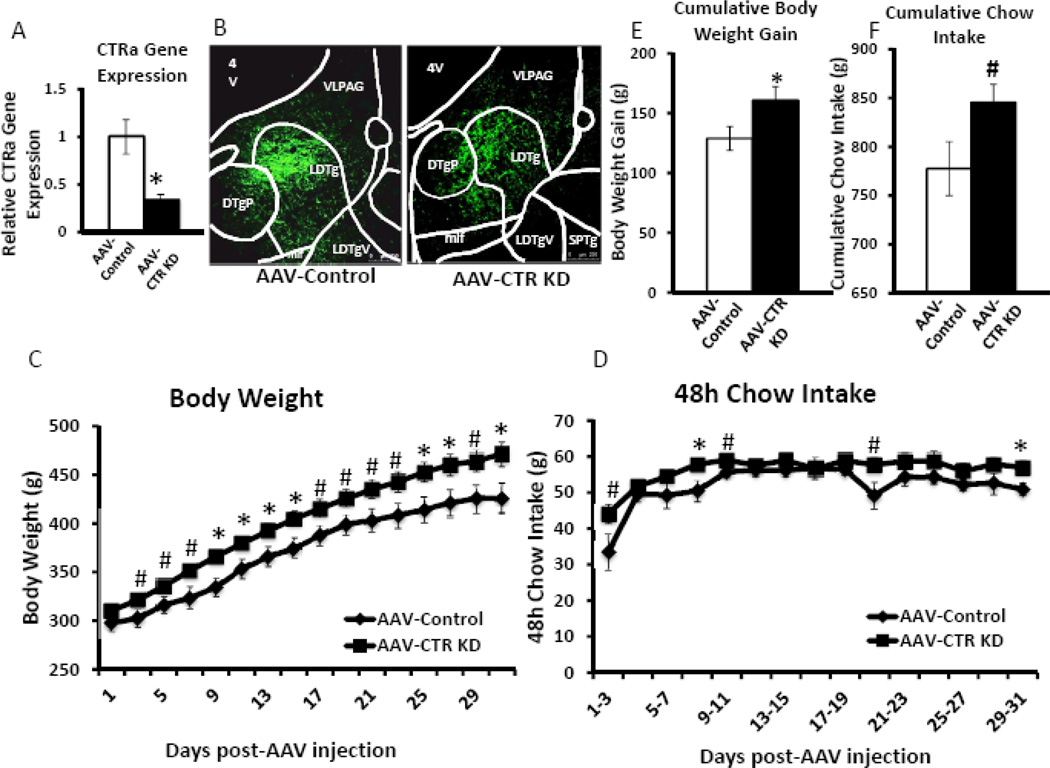
Figure 6. CTR knockdown in the LDTg produces sustained increases in body weight and chow intake
To determine if LDTg amylin receptor signaling is physiologically relevant for the long-term control of food intake and body weight regulation, an AAV that knocks down the core component of the amylin receptor, the CTR (AAV-CTR KD), or an empty vector AAV (AAV-Control) was injected bilaterally in the LDTg (200nl/hemisphere). Food intake and body weight was measured every 48h for 31 days following viral injection (n=7/viral condition). (A) Compared to AAV-Control, the AAV-CTR KD produces a statistically significant 67% decrease of CTRa. A separate cohort of animals received either virus (n=3/viral condition), were sacrificed two weeks later, and the brains were processed for GFP visualization. Representative images show GFP labeling of viral expression in AAV-Control (left) and AAV-CTR KD (right) (B). In behavioral studies, AAV-CTR KD produces an increase in body weight that was sustained over the behavioral test period (C, E). Chow intake is transiently increased in AAV-CTR KD animals compared to AAV-Control animals when graphed in 48 bins (D), and trending for significance when graphed cumulatively over the entire behavioral test period (F, p<0.1). * indicates significance by ANOVA (p≤0.050), # indicates a trend for significance by ANOVA (p<0.1). 4V = 4th ventricle, DTPg = Dorsal tegmental nucleus pericent, LDTg= lateral dorsal tegmental nucleus, LDTgV = lateral dorsal tegmental nucleus ventral, mlf = medial longitudinal fasciculus, SPTg = subpeducuncular tegmental nucleus, VLPAG = ventral lateral periaqueductal gray.
Figure 7
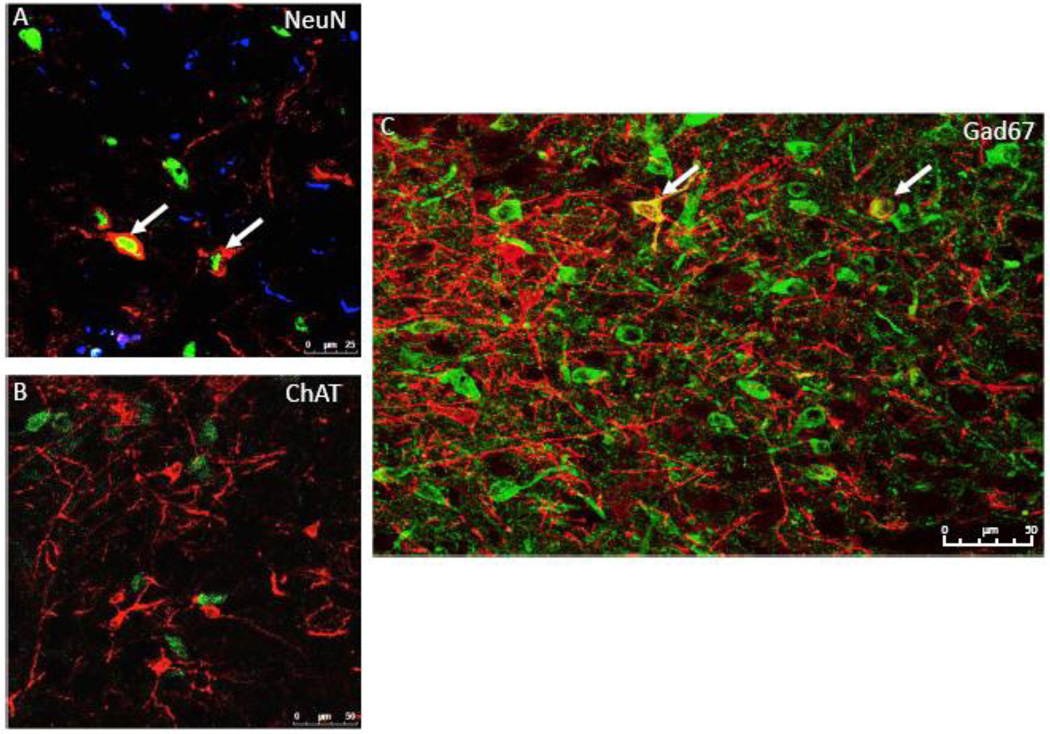
Figure 7. CTR-expressing cells in the LDTg are GABAergic
IHC analyses show that CTR-expressing cells in the LDTg co-localize with the neuronal marker NeuN and not with the glial cell marker GFAP (A; 20× with a 2× optical zoom; n=3). CTR-expressing cells in the LDTg do not co-localize with the cholinergic marker ChAT (B; 40×; n=6) but co-localize with the GABAergic marker Gad67 (C; 20×; n=1). Red = CTR-positive cells; Blue = GFAP-positive cells; Green = cellular marker of interest: NeuN (A), ChAT (B), Gad67 (C). White arrows indicate co-localization.
Figure 8
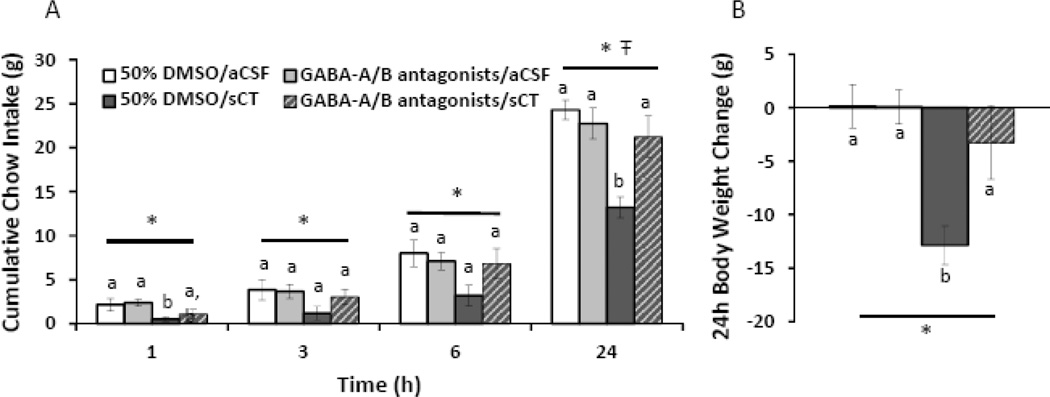
Figure 8. Intra-LDTg GABA receptor blockade reverses the intake suppressive effects of intra-LDTg amylin receptor activation
To determine the role of GABA receptor signaling in the intake suppressive effects of LDTg amylin receptor activation, a cocktail of a GABA-A receptor antagonist (bicuculline, 100 ng) and a GABA-B receptor antagonist (saclofen, 500 ng) was administered unilaterally in the LDTg followed by sCT (0.04µg; 100 nl; n=8). GABA receptor blockade reverses the intake (A) and body weight-suppressive effects (B). Key applies to both graphs. * indicates a significant main effect of sCT (A) or treatment (B) by repeated measures ANOVA (p<0.05), Ŧ indicates a significant main interaction between sCT and the GABA-receptor antagonists by repeated measures ANOVA (p<0.05), different letters are significantly different from each other according to post-hoc planned comparisons (p<0.05).

Comment in

References

    1. Banks WA, Kastin AJ. Differential permeability of the blood-brain barrier to two pancreatic peptides: insulin and amylin. Peptides. 1998;19:883–889. - PubMed
    1. Grill HJ, Hayes MR. Hindbrain neurons as an essential hub in the neuroanatomically distributed control of energy balance. Cell metabolism. 2012;16:296–309. - PMC - PubMed
    1. Grill HJ. Distributed neural control of energy balance: contributions from hindbrain and hypothalamus. Obesity. 2006;14(Suppl 5):216S–221S. - PubMed
    1. Merlino DJ, Blomain ES, Aing AS, Waldman SA. Gut-Brain Endocrine Axes in Weight Regulation and Obesity Pharmacotherapy. Journal of clinical medicine. 2014;3:763–794. - PMC - PubMed
    1. Lutz TA. Amylinergic control of food intake. Physiology & behavior. 2006;89:465–471. - PubMed

MeSH terms

LinkOut - more resources