. 2017 Feb 27;12(2):e0172707.
doi: 10.1371/journal.pone.0172707. eCollection 2017.

Role of DNA methylation in expression control of the IKZF3-GSDMA region in human epithelial cells

Affiliations

Role of DNA methylation in expression control of the IKZF3-GSDMA region in human epithelial cells

Sanny Moussette et al. PLoS One. .

Abstract

Chromosomal region 17q12-q21 is associated with asthma and harbors regulatory polymorphisms that influence expression levels of all five protein-coding genes in the region: IKAROS family zinc finger 3 (Aiolos) (IKZF3), zona pellucida binding protein 2 (ZPBP2), ORMDL sphingolipid biosynthesis regulator 3 (ORMDL3), and gasdermins A and B (GSDMA, GSDMB). Furthermore, DNA methylation in this region has been implicated as a potential modifier of the genetic risk of asthma development. To further characterize the effect of DNA methylation, we examined the impact of treatment with DNA methyltransferase inhibitor 5-aza-2'-deoxycytidine (5-aza-dC) that causes DNA demethylation, on expression and promoter methylation of the five 17q12-q21 genes in the human airway epithelium cell line NuLi-1, embryonic kidney epithelium cell line 293T and human adenocarcinoma cell line MCF-7. 5-aza-dC treatment led to upregulation of expression of GSDMA in all three cell lines. ZPBP2 was upregulated in NuLi-1, but remained repressed in 293T and MCF-7 cells, whereas ORMDL3 was upregulated in 293T and MCF-7 cells, but not NuLi-1. Upregulation of ZPBP2 and GSDMA was accompanied by a decrease in promoter methylation. Moreover, 5-aza-dC treatment modified allelic expression of ZPBP2 and ORMDL3 suggesting that different alleles may respond differently to treatment. We also identified a polymorphic CTCF-binding site in intron 1 of ORMDL3 carrying a CG SNP rs4065275 and determined its methylation level. The site's methylation was unaffected by 5-aza-dC treatment in NuLi-1 cells. We conclude that modest changes (8-13%) in promoter methylation levels of ZPBP2 and GSDMA may cause substantial changes in RNA levels and that allelic expression of ZPBP2 and ORMDL3 is mediated by DNA methylation.


Conflict of interest statement

Competing Interests: The authors have declared that no competing interests exist.

Figures

Fig 1
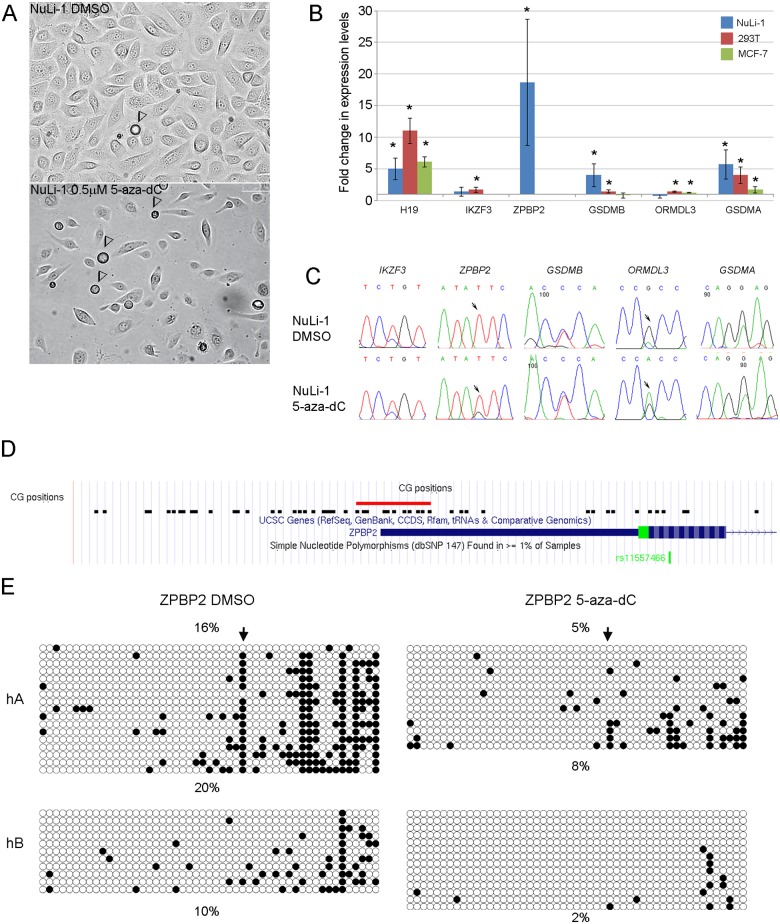
Fig 1. 5-aza-dC treatment enhances gene expression.
(A) 5-aza-dC treated NuLi-1 cells show reduced proliferation and apoptosis four days after treatment. Arrowheads point to dying/dead cells. (B) Changes in expression levels of 17q12-q21 genes after 5-aza-dC treatment. The y-axis shows fold change in 5-aza-dC treated cells compared to controls. Error bars show standard deviation. Asterisks indicate statistically significant change in expression in 5-aza-dC treated cells compared to controls (* p < 0.05). (C) Allelic expression in 17q12-q21 genes after 5-aza-dC treatment. Arrows show positions of transcribed SNPs in those genes where allelic expression changed post 5-aza-dC treatment. In ZPBP2, 5-aza-dC treatment causes reactivation of the HapA allele. In ORMDL3 it causes a switch in allelic preference. (D) Positions of 51 CGs in the ZPBP2 promoter region that were assayed using the sodium bisulfite sequencing assay are shown in the context of the UCSC browser. The red box indicates the position of the 11 CGs assayed using the pyrosequencing methylation assay. (E) DNA methylation profiles of the ZPBP2 promoter region in control (DMSO) and 5-aza-dC treated cells. Filled circles represent methylated CGs, open circles represent unmethylated CGs. Each row represents a clone. Data are divided by haplotype; allelic percent methylation is shown below the diagram. Type of treatment and average methylation levels are shown on top. Arrow points to CG31 (CG6 in pyrosequencing assays) that has one of the most pronounced allelic differences in methylation.
Fig 2
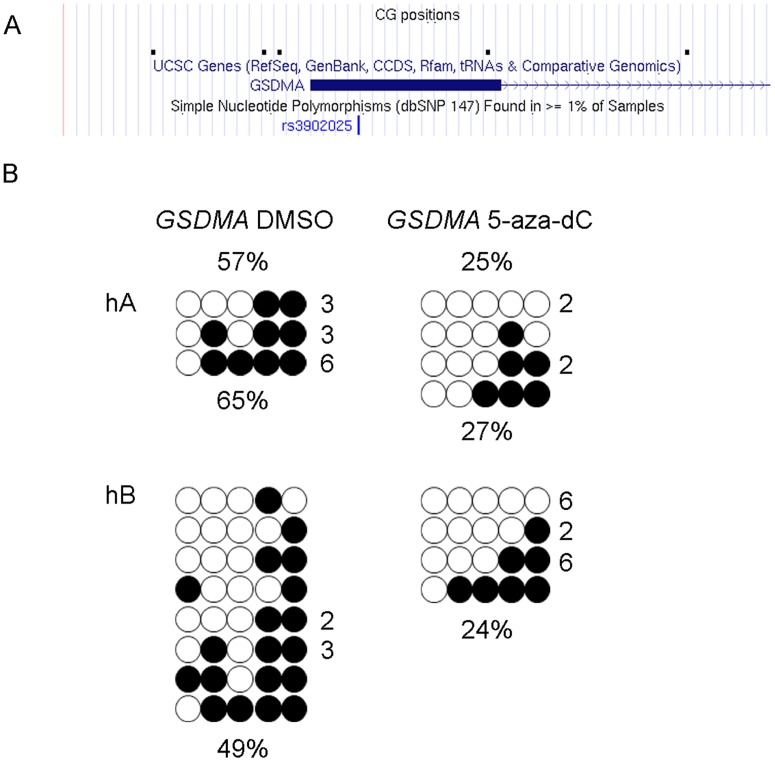
Fig 2. DNA methylation patterns of the GSDMA promoter in NuLi-1 cells.
(A) Positions of the interrogated CGs with respect to the GSDMA promoter region are shown in the context of the UCSC browser. (B) GSDMA promoter methylation changes after 5-aza-dC treatment. Filled circles represent methylated CGs, open circles represent unmethylated CGs. Each row represents a clone, the number on the right indicates the number of clones with a particular methylation pattern. Data are divided by allele; allelic percent methylation is shown below the diagram. Type of treatment and average DNA methylation are shown on top; hA -haplotype A; hB–haplotype B.
Fig 3
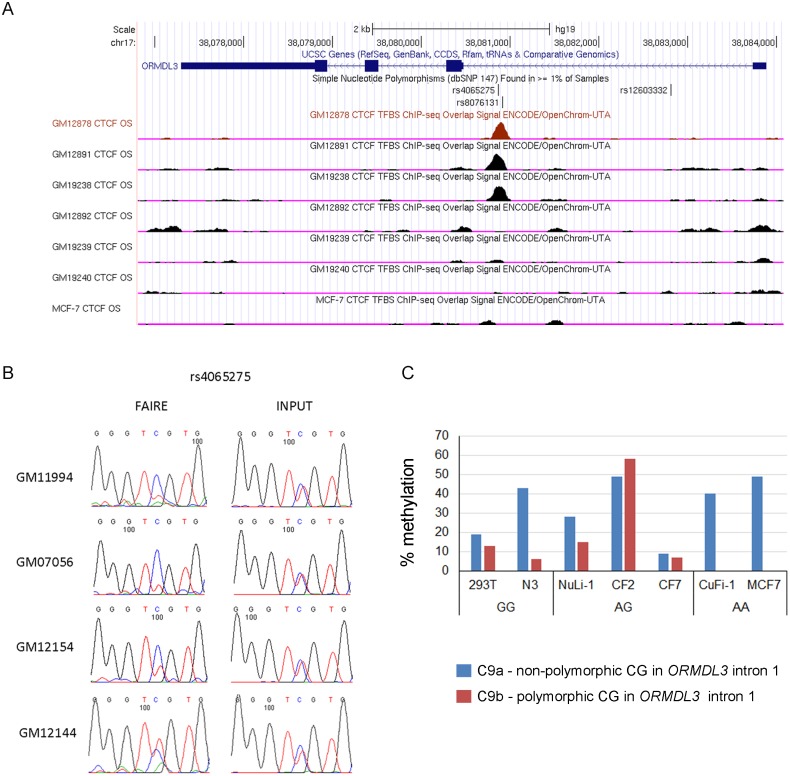
Fig 3. Polymorphic CTCF binding site rs4065275 (C9b) shows genotype dependent CTCF-binding, FAIRE enrichment and variable methylation levels.
(A) Effect of genotype on CTCF-enrichment at the rs4065275 SNP region. Cell lines that carry the rs4065275-G allele show CTCF enrichment, whereas cell lines that carry the rs4065275-A allele do not. (B) Allelic bias in FAIRE enrichment in LCLs. In 3 out of 4 cell lines the rs4065275-G (C in the diagram) is enriched in the nucleosome-free fraction. (C) Methylation levels of the two putative CBS within the C9 CTCF-enriched region, rs4065275 CG (C9b) and the adjacent non-polymorphic CG (C9a), in human epithelial cells were determined using a pyrosequencing methylation assay. Name of cell line and rs4065275 genotype are shown below the x-axis.

References

    1. Acevedo N, Reinius LE, Greco D, Gref A, Orsmark-Pietras C, Persson H, et al. Risk of childhood asthma is associated with CpG-site polymorphisms, regional DNA methylation and mRNA levels at the GSDMB/ORMDL3 locus. Hum Mol Genet. 2015;24(3):875–90. 10.1093/hmg/ddu479 - DOI - PMC - PubMed
    1. Schaefer S, Nadeau JH. The genetics of epigenetic inheritance: modes, molecules, and mechanisms. The Quarterly review of biology. 2015;90(4):381–415. - PubMed
    1. Moffatt MF, Kabesch M, Liang L, Dixon AL, Strachan D, Heath S, et al. Genetic variants regulating ORMDL3 expression contribute to the risk of childhood asthma. Nature. 2007;448(7152):470–3. 10.1038/nature06014 - DOI - PubMed
    1. Moffatt MF, Gut IG, Demenais F, Strachan DP, Bouzigon E, Heath S, et al. A large-scale, consortium-based genomewide association study of asthma. N Engl J Med. 2010;363(13):1211–21. 10.1056/NEJMoa0906312 - DOI - PMC - PubMed
    1. Ferreira MA, McRae AF, Medland SE, Nyholt DR, Gordon SD, Wright MJ, et al. Association between ORMDL3, IL1RL1 and a deletion on chromosome 17q21 with asthma risk in Australia. Eur J Hum Genet. 2010;19(4):458–64. 10.1038/ejhg.2010.191 - DOI - PMC - PubMed

MeSH terms

LinkOut - more resources