


Partial-Body Irradiation in Patients with Prostate Cancer Treated with IMRT Has Little Effect on the Composition of Serum Proteome
- PMID: 28248265
- PMCID: PMC5217376
- DOI: 10.3390/proteomes3030117
Partial-Body Irradiation in Patients with Prostate Cancer Treated with IMRT Has Little Effect on the Composition of Serum Proteome
Abstract
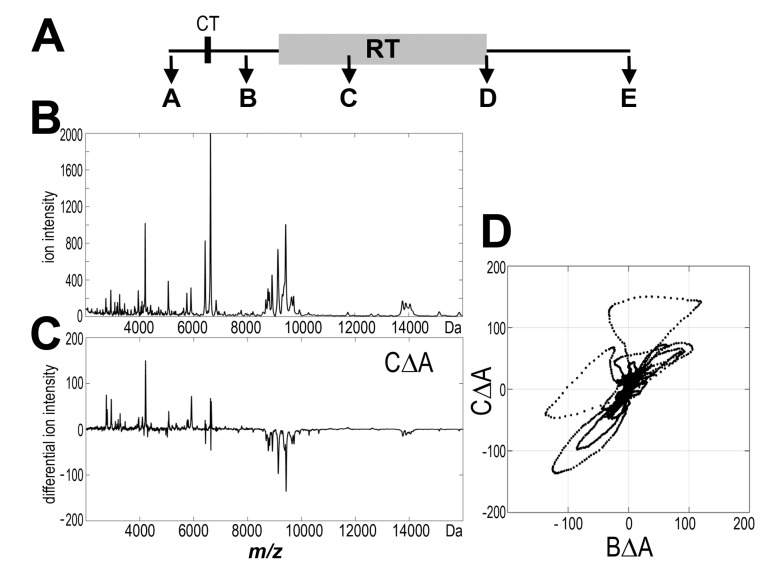
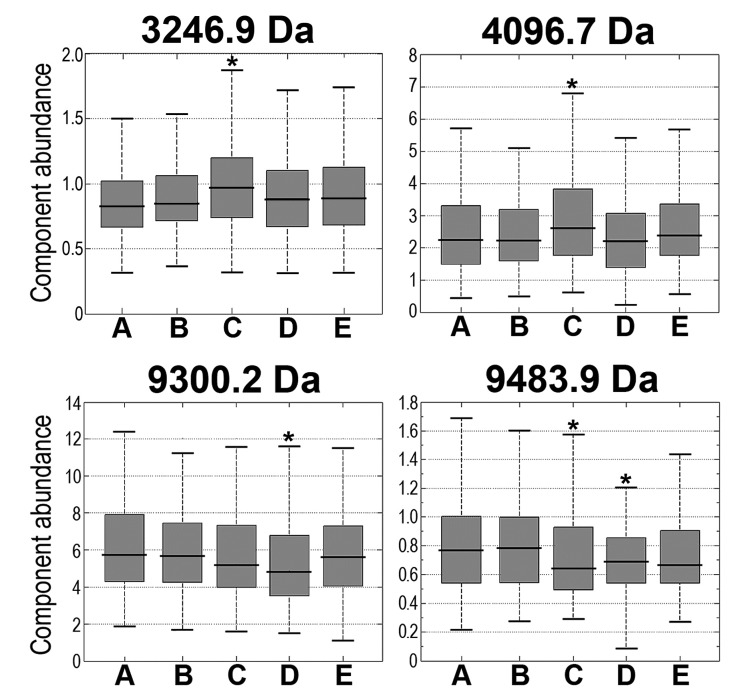
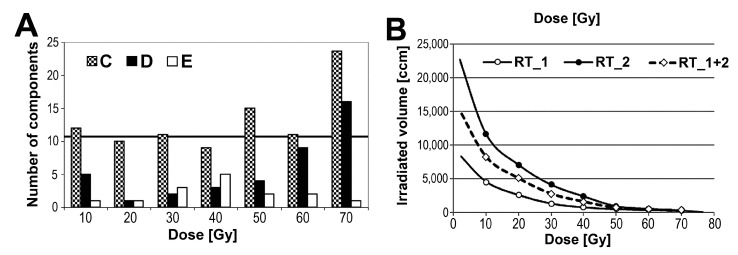
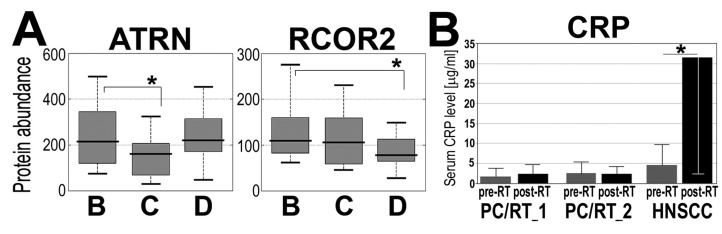
Partial body irradiation during cancer radiotherapy (RT) induces a response of irradiated tissues that could be observed at the level of serum proteome. Here we aimed to characterize the response to RT in group of patients treated because of prostate cancer. Five consecutive blood samples were collected before, during, and after the end of RT in a group of 126 patients who received definitive treatment with a maximum dose of 76 Gy. Serum peptidome, which was profiled in the 2000-16,000 Da range using MALDI-MS. Serum proteins were identified and quantified using the shotgun LC-MS/MS approach. The majority of changes in serum peptidome were detected between pre-treatment samples and samples collected after 3-4 weeks of RT (~25% of registered peptides changed their abundances significantly), yet the intensity of observed changes was not correlated significantly with the degree of acute radiation toxicity or the volume of irradiated tissues. Furthermore, there were a few serum proteins identified, the abundances of which were different in pre-RT and post-RT samples, including immunity and inflammation-related factors. Observed effects were apparently weaker than in comparable groups of head and neck cancer patients in spite of similar radiation doses and volumes of irradiated tissues in both groups. We concluded that changes observed at the level of serum proteome were low for this cohort of prostate cancer patients, although the specific components involved are associated with immunity and inflammation, and reflect the characteristic acute response of the human body to radiation.
Keywords: IMRT; mass spectrometry; prostate cancer; radiation response; serum proteomics.
Conflict of interest statement
The authors declare no conflict of interest.
Figures
References
-
- Deasy J.O., Fowler J.F. Radiobiology of imrt. In: Mundt A.J., Roeske J.C., editors. Intensity Modulated Radiation Therapy: A Clinical Perspective. 1st ed. Volume 1. BC Decker Inc; Hamilton, ON, Canada: 2005. pp. 53–74.
-
- Halperin E.C., Perez C.A., Brady L.W. Perez and Brady's Principles and Practice of Radiation Oncology. 5th ed. Lippincott Williams & Wilkins; Philadelphia, PA, USA: 2008.
-
- Skladowski K., Maciejewski B., Golen M., Tarnawski R., Slosarek K., Suwinski R., Sygula M., Wygoda A. Continuous accelerated 7-days-a-week radiotherapy for head-and-neck cancer: Long-term results of phase iii clinical trial. Int. J. Radiat. Oncol. Biol. Phys. 2006;66:706–713. doi: 10.1016/j.ijrobp.2006.05.026. - DOI - PubMed
LinkOut - more resources
Full Text Sources
Other Literature Sources
