


Effects of different phosphate lowering strategies in patients with CKD on laboratory outcomes: A systematic review and NMA
- PMID: 28248961
- PMCID: PMC5331957
- DOI: 10.1371/journal.pone.0171028
Effects of different phosphate lowering strategies in patients with CKD on laboratory outcomes: A systematic review and NMA
Abstract
Background: Chronic kidney disease-mineral and bone disorder (CKD-MBD), a complication of chronic kidney disease, has been linked to reduced quality and length of life. High serum phosphate levels that result from CKD-MBD require phosphate-lowering agents, also known as phosphate binders. The objective of this systematic review is to compare the effects of available phosphate binders on laboratory outcomes in patients with CKD-MBD.
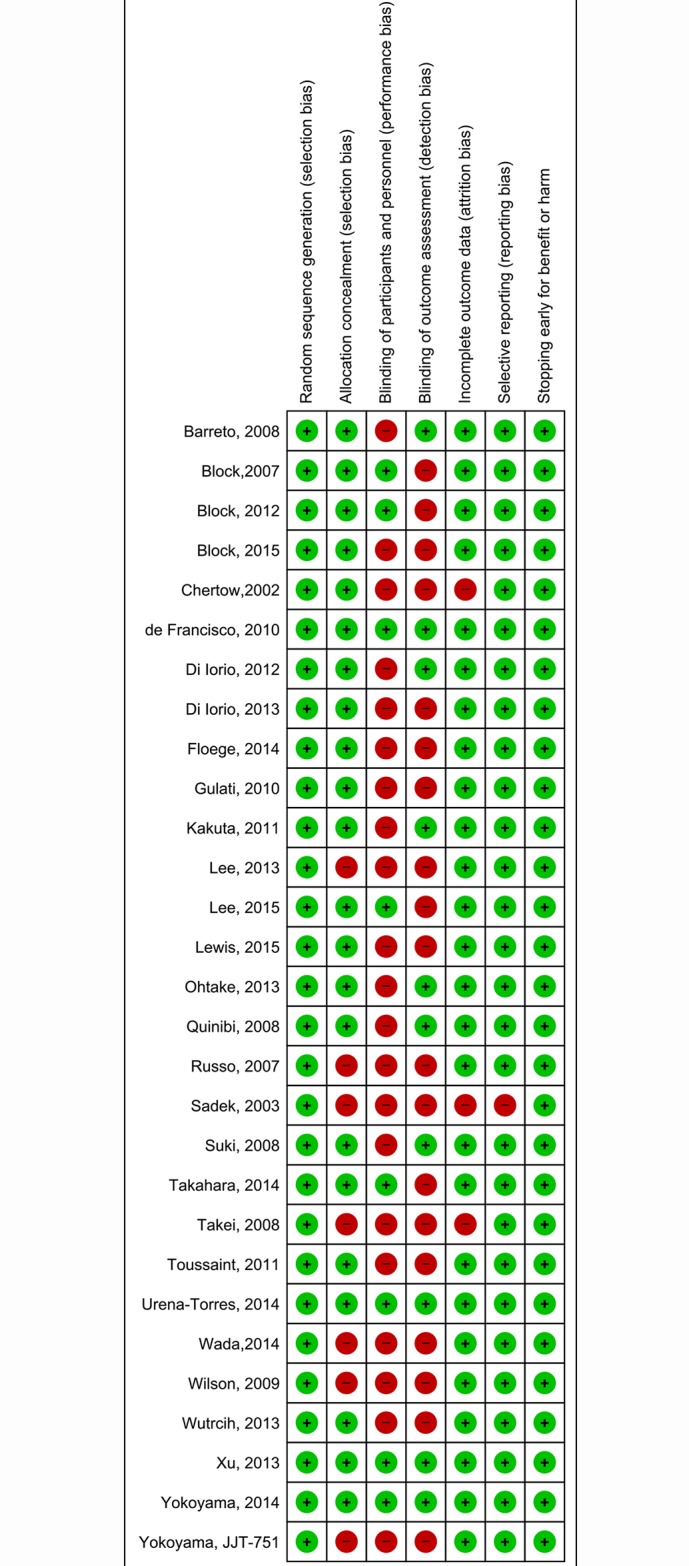
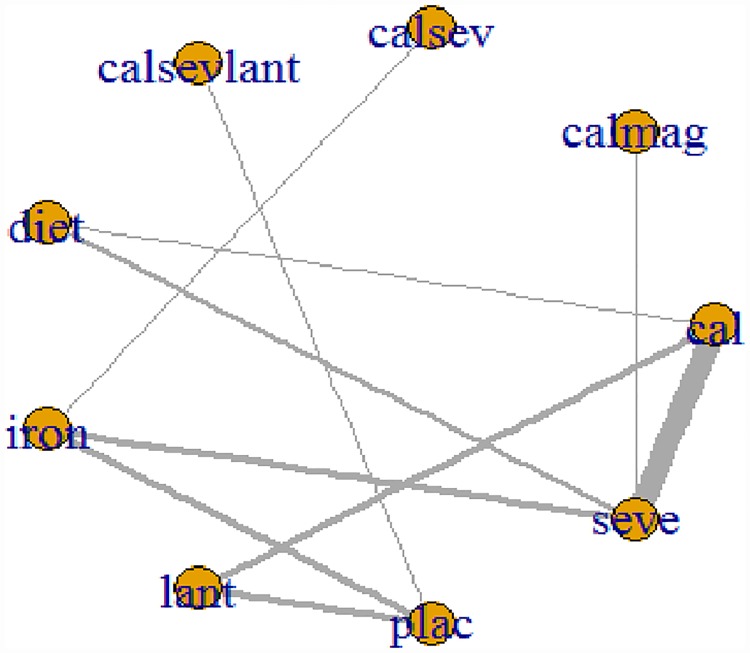
Methods: Data sources included MEDLINE and EMBASE from January 1996 to April 2016, and the Cochrane Register of Controlled Trials up to April 2016. Teams of two reviewers, independently and in duplicate, screened titles and abstracts and potentially eligible full text reports to determine eligibility, and subsequently abstracted data and assessed risk of bias in eligible randomized controlled trials (RCTs). Eligible trials enrolled patients with CKD-MBD and randomized them to receive calcium-based phosphate binders (delivered as calcium acetate, calcium citrate or calcium carbonate), non-calcium-based phosphate binders (NCBPB) (sevelamer hydrochloride, sevelamer carbonate, lanthanum carbonate, sucroferric oxyhydroxide and ferric citrate), phosphorus restricted diet (diet), placebo or no treatment and reported effects on serum levels of phosphate, calcium and parathyroid hormone. We performed Bayesian network meta-analyses (NMA) to calculate the effect estimates (mean differences) and 95% credible intervals for serum levels of phosphate, calcium and parathyroid hormone. We calculated direct, indirect and network meta-analysis estimates using random-effects models. We applied the GRADE (Grading of Recommendations, Assessment, Development and Evaluation) approach to rate the quality of evidence for each pairwise comparison.
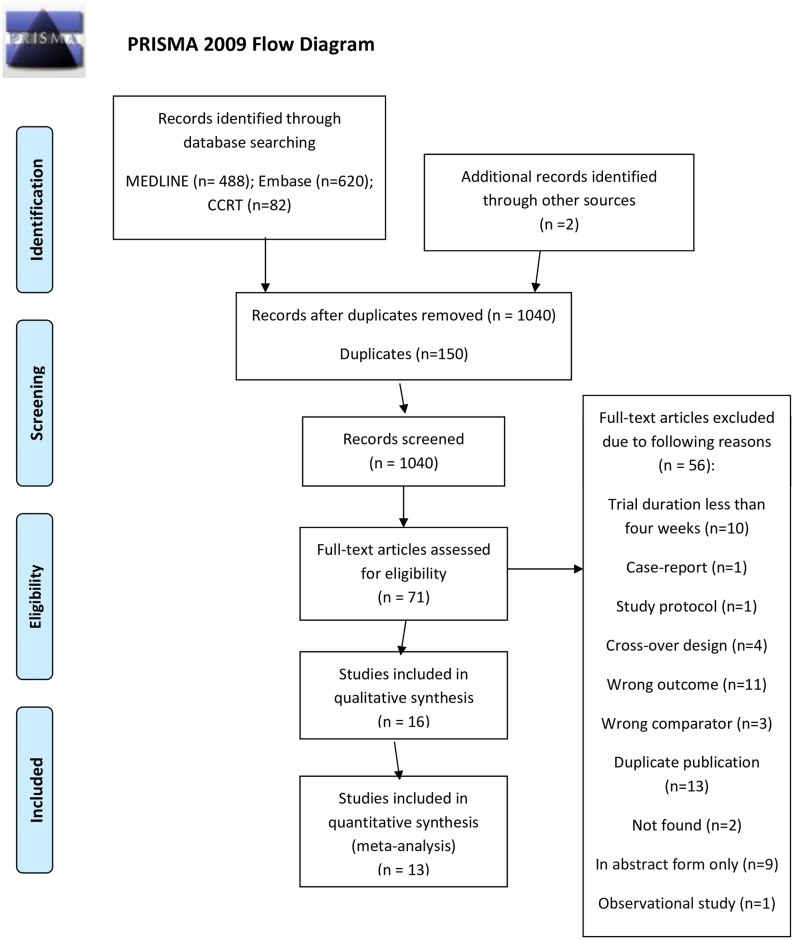
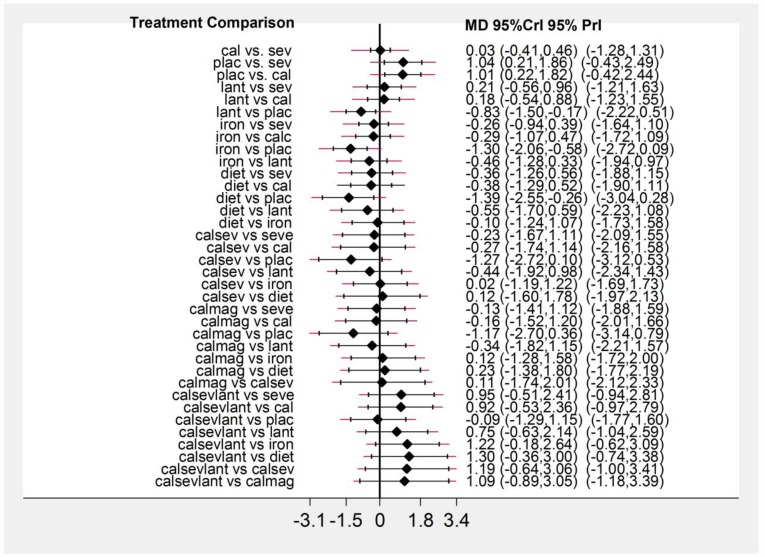
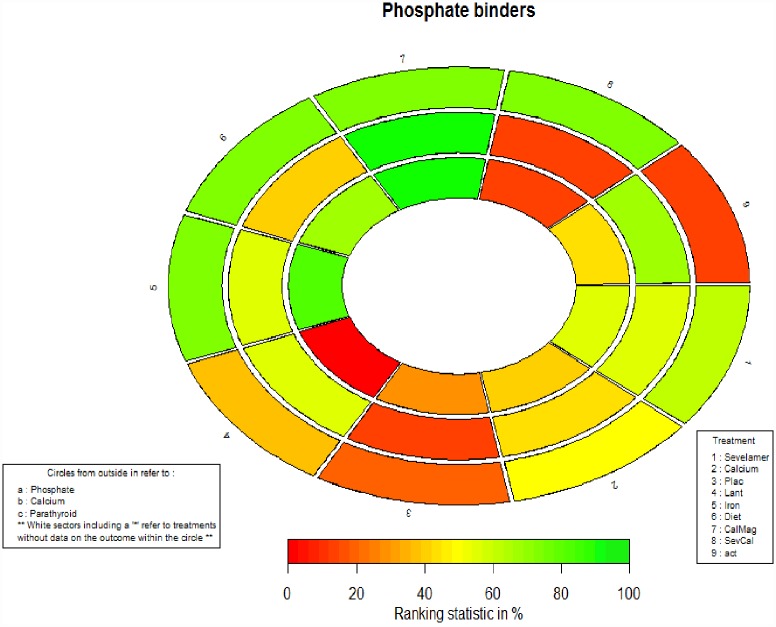
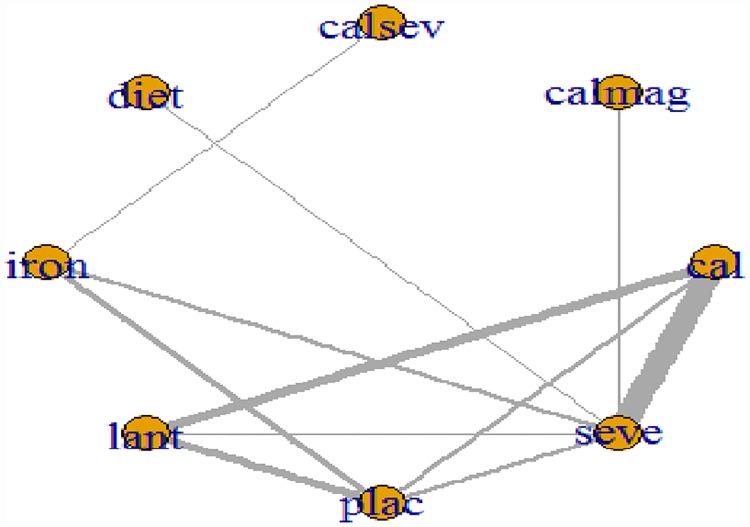
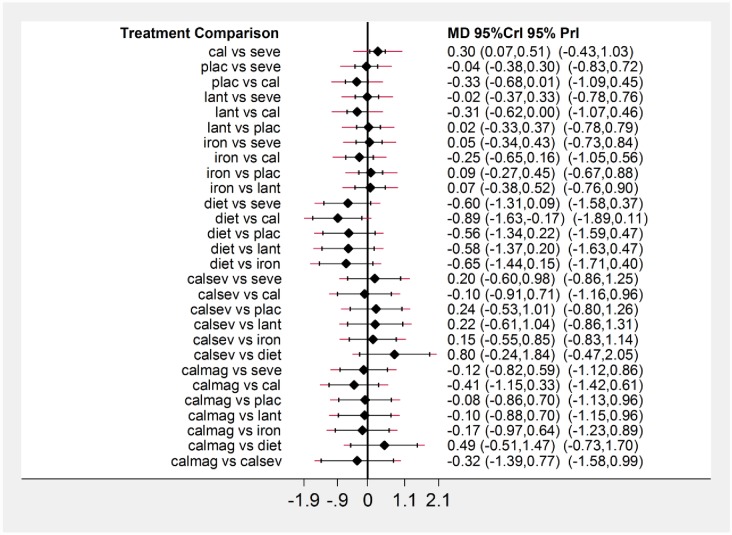
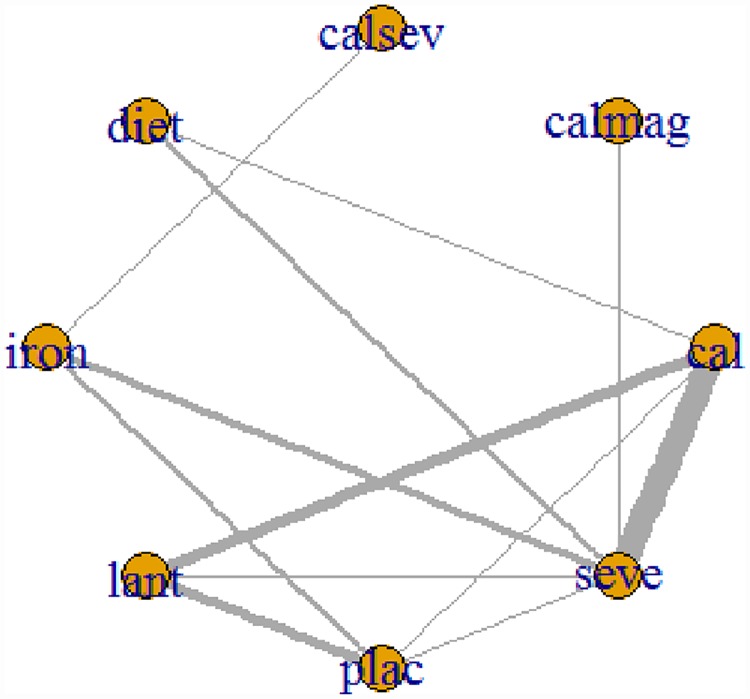
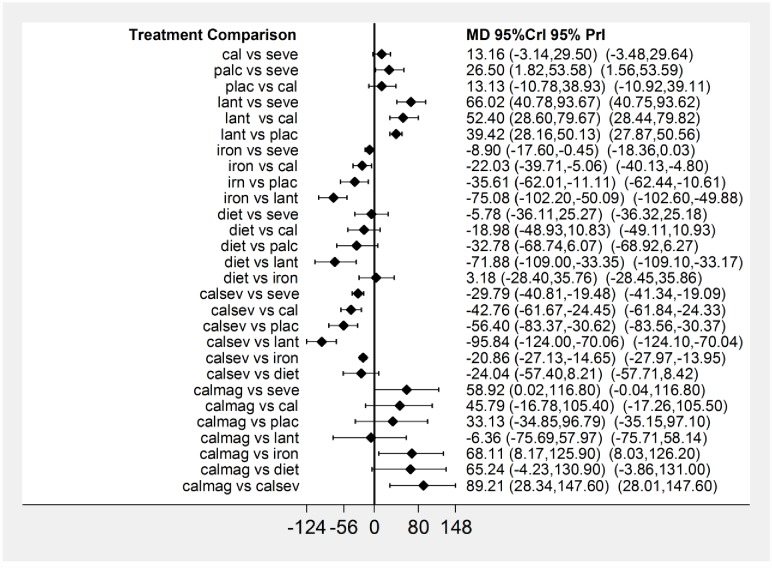
Results: Our search yielded 1108 citations; 71 RCTs were retrieved for full review and 16 proved eligible. Including an additional 13 studies from a previous review, 29 studies that enrolled 8335 participants proved eligible; 26 trials provided data for quantitative synthesis. Sevelamer, lanthanum, calcium, iron, diet and combinations of active treatments (calcium or sevelamer or lanthanum and combination of calcium and sevelamer) resulted in significantly lower serum phosphate as compared to placebo (moderate to very low quality of evidence). We found no statistically significant differences between active treatment categories in lowering serum phosphate. Sevelamer, lanthanum and diet resulted in lower serum calcium compared to calcium (moderate quality evidence for lanthanum and diet; low quality evidence for Sevelamer). Iron, sevelamer and calcium yielded lower parathyroid hormone levels as compared to lanthanum. Meta-regression analyses did not yield a statistically significant association between treatment effect and trial duration.
Discussion/conclusions: We found few differences between treatments in impact on phosphate and differences in parathyroid hormone. Relative to calcium, sevelamer, lanthanum and diet showed significant reduction in serum calcium from baseline. Treatment recommendations should be based on impact on patient-important outcomes rather than on surrogate outcomes. Systematic review registration: PROSPERO CRD-42016032945.
Conflict of interest statement
Figures
References
-
- Levey AS, Coresh J, Balk E, Kausz AT, Levin A, Steffes MW, et al. National Kidney Foundation practice guidelines for chronic kidney disease: evaluation, classification, and stratification. Annals of internal medicine. 2003;139(2):137–47. Epub 2003/07/16. - PubMed
-
- Ibels LS, Alfrey AC, Huffer WE, Craswell PW, Anderson JT, Weil R 3rd. Arterial calcification and pathology in uremic patients undergoing dialysis. Am J Med. 1979;66(5):790–6. Epub 1979/05/01. - PubMed
-
- Sanchez-Perales C, Vazquez Ruiz de Castroviejo E, Garcia-Cortes MJ, Biechy Mdel M, Gil-Cunquero JM, Borrego-Hinojosa J, et al. Valvular calcifications at the start of dialysis predict the onset of cardiovascular events in the course of follow-up. Nefrologia. 2015;35(2):157–63. Epub 2015/08/25. 10.1016/j.nefro.2015.05.017 - DOI - PubMed
Publication types
MeSH terms
Substances
LinkOut - more resources
Full Text Sources
Other Literature Sources
Miscellaneous
