


Assessments of global drivers of vaccine hesitancy in 2014-Looking beyond safety concerns
- PMID: 28249006
- PMCID: PMC5332020
- DOI: 10.1371/journal.pone.0172310
Assessments of global drivers of vaccine hesitancy in 2014-Looking beyond safety concerns
Abstract
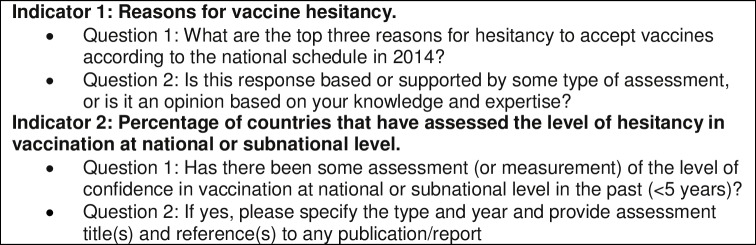
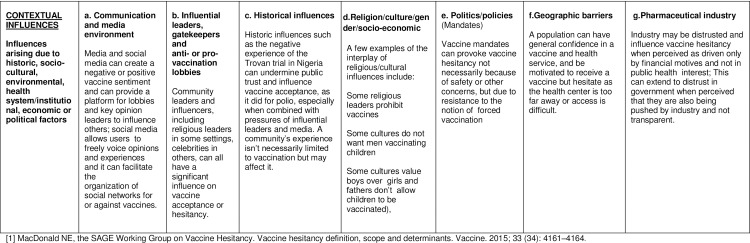
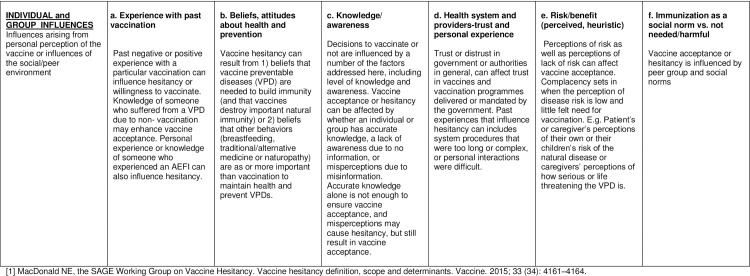
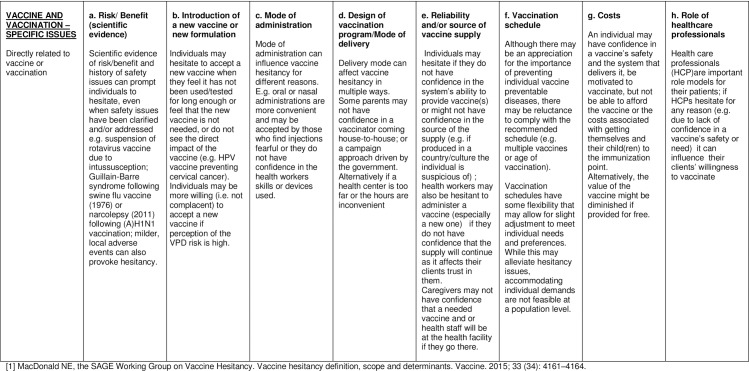
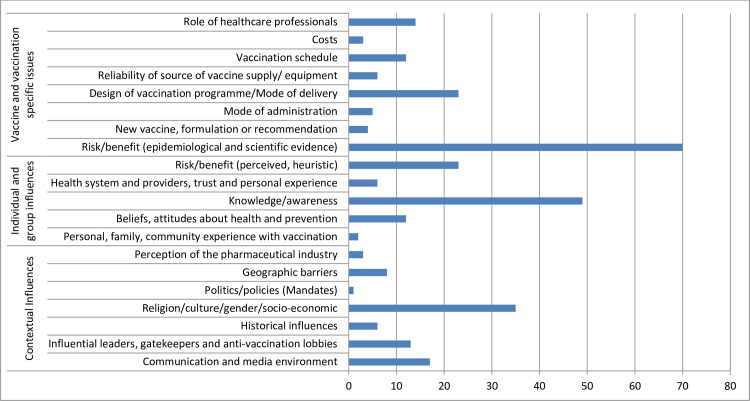
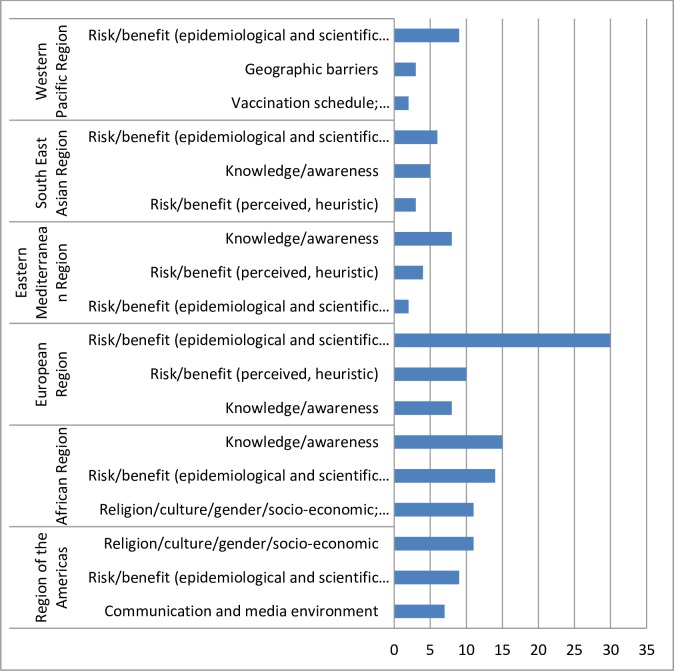
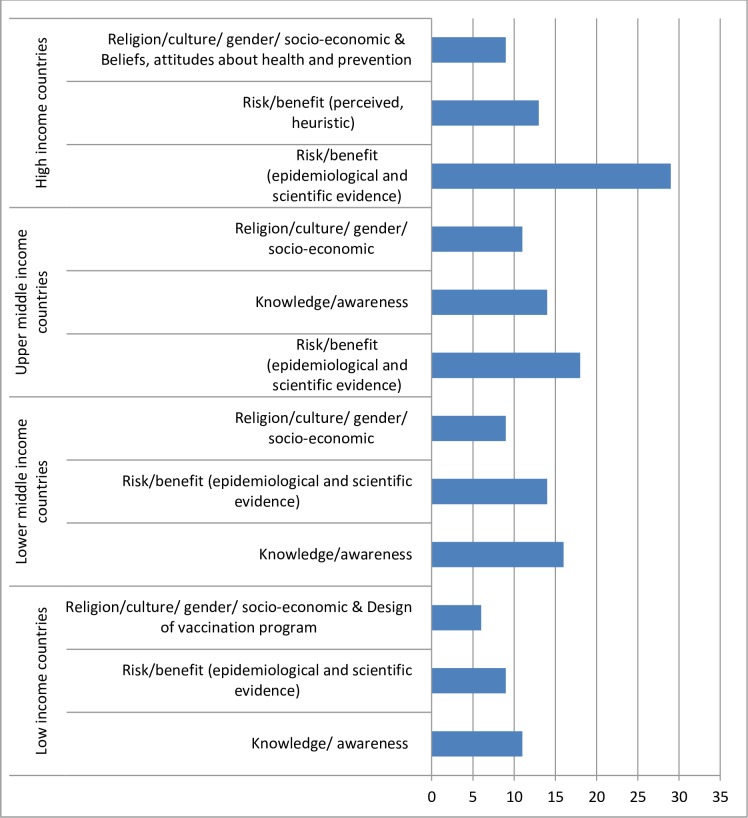
Vaccine hesitancy has become the focus of growing attention and concern globally despite overwhelming evidence of the value of vaccines in preventing disease and saving the lives of millions of individuals every year. Measuring vaccine hesitancy and its determinants worldwide is important in order to understand the scope of the problem and for the development of evidence-based targeted strategies to reduce hesitancy. Two indicators to assess vaccine hesitancy were developed to capture its nature and scope at the national and subnational level to collect data in 2014: 1) The top 3 reasons for not accepting vaccines according to the national schedule in the past year and whether the response was opinion- or assessment-based and 2) Whether an assessment (or measurement) of the level of confidence in vaccination had taken place at national or subnational level in the previous 5 years. The most frequently cited reasons for vaccine hesitancy globally related to (1) the risk-benefit of vaccines, (2) knowledge and awareness issues, (3) religious, cultural, gender or socio-economic factors. Major issues were fear of side effects, distrust in vaccination and lack of information on immunization or immunization services. The analysis revealed that 29% of all countries had done an assessment of the level of confidence in their country, suggesting that vaccine confidence was an issue of importance. Monitoring vaccine hesitancy is critical because of its influence on the success of immunization programs. To our knowledge, the proposed indicators provide the first global snapshot of reasons driving vaccine hesitancy and depicting its widespread nature, as well as the extent of assessments conducted by countries.
Conflict of interest statement
Figures
References
-
- World Health Organization Global Vaccine Action Plan (2014). Available: www.who.int/immunization/global_vaccine_action_plan/GVAP_doc_2011_2020/en/.
-
- SAGE working group dealing with vaccine hesitancy [established March 2012]. Available: www.who.int/immunization/sage/sage_wg_vaccine_hesitancy_apr12.
-
- SAGE Decade of Vaccines Working Group [established March 2013]. Available: www.who.int/immunization/sage/sage_wg_decade_vaccines.
MeSH terms
Substances
Grants and funding
LinkOut - more resources
Full Text Sources
Other Literature Sources
Medical
Miscellaneous
